Mini: Counterfeit
Mini needed to reinforce the value and authenticity of its genuine vehicles amidst a market where consumers might encounter inferior imitations. The goal was to differentiate Mini by emphasizing its unique quality and driving experience to potential buyers, encouraging them to choose genuine.
Creative Idea
Parodied an infomercial to absurdly warn against fake Mini Coopers, highlighting genuine quality.
Mini created a mock-serious infomercial parody from the 'Counter Counterfeit Commission' to humorously warn consumers about absurdly fake Mini Coopers, exaggerating the problem to highlight the genuine article's superior quality and unique driving experience, making authenticity desirable.
The Global War on Geo Metro Knockoffs
The $25 Million Counterfeit Sting
While competitors like Volkswagen were spending upwards of $400 million annually, Mini USA and Crispin Porter + Bogusky executed this "unorthodox" takeover on a fraction of that budget - approximately $25 million. The strategy relied on "discovery marketing," where consumers felt they had stumbled upon a secret. This included placing "alert ads" in automotive classifieds next to real car listings and distributing fictional warning brochures in national magazines. The payoff was immediate: in March 2005, Mini recorded its highest sales month ever, a 44% increase over the previous year.
Gritty Realism in Rio
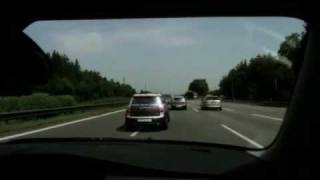
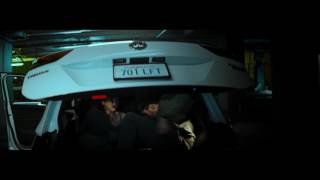
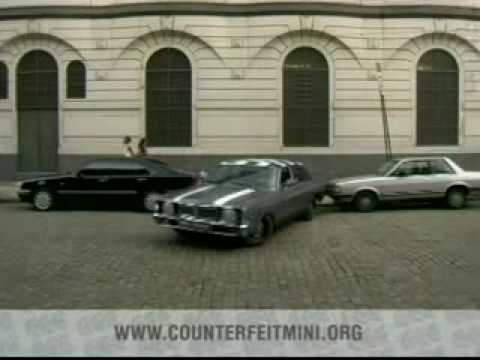 To achieve an authentic "international smuggling" aesthetic, director Bryan Buckley (Hungry Man) filmed the mockumentary footage on location in Rio de Janeiro, Brazil. Production designers transformed dilapidated junkers, such as Geo Metros, into "fakes" using crude paint jobs, white roofs, and fake fog lamps. The campaign extended into the physical world with a 10-minute DVD that viewers could purchase for $19.95. It featured "undercover" footage and testimonials from victims who claimed they bought a "Mini" for $1,200 only to have it fall apart.
Slapping Your Way to Titanium
The digital hub, `CounterfeitMini.org`, featured a viral "Tough Love" tool that allowed users to virtually slap owners of fake cars. This interactive element, combined with a dedicated CCC Hotline for reporting sightings, helped the campaign define the Titanium Lion category at Cannes - a category created specifically for work that broke traditional media boundaries. As ECD Alex Bogusky noted, the goal was to make the advertising so entertaining that it was "worth their time" rather than just pushing images into eyeballs.
Creative Strategy Deconstructed
Company
Mini credibly delivered genuine driving pleasure, iconic design, and superior engineering, differentiating itself from any potential imitation.
Category
The automotive category typically focused on serious performance, luxury, or practicality, often avoiding self-deprecating or overtly comedic tones.
Customer
The audience desired authenticity and quality, fearing being duped by cheap imitations, while also appreciating clever, self-aware brand humor.
Culture
A cultural appreciation for ironic humor, infomercial tropes, and the widespread issue of counterfeit goods made the parody resonate.
Company
Mini credibly delivered genuine driving pleasure, iconic design, and superior engineering, differentiating itself from any potential imitation.
Category
The automotive category typically focused on serious performance, luxury, or practicality, often avoiding self-deprecating or overtly comedic tones.
Strategy:
Leverage comedic absurdity to dramatically highlight product authenticity and underscore unique brand value.
Customer
The audience desired authenticity and quality, fearing being duped by cheap imitations, while also appreciating clever, self-aware brand humor.
Culture
A cultural appreciation for ironic humor, infomercial tropes, and the widespread issue of counterfeit goods made the parody resonate.
Strategy:
Leverage comedic absurdity to dramatically highlight product authenticity and underscore unique brand value.
Strategy Technique
Use Absurd Logic
By presenting the absurd concept of fake Mini Coopers and their disastrous performance, the campaign used exaggerated humor. This illogical premise effectively underscored the genuine Mini's distinct quality and driving pleasure.
Explore Technique
Creative Technique
Make a Parody
The campaign parodied a classic infomercial format, complete with a 'Consumer Alert' DVD and exaggerated claims. This comedic approach made the serious message about genuine Mini Coopers highly entertaining and memorable.
Explore Technique
Craft Breakdown
This campaign's exceptional craft lies in its brilliant copywriting and visual effects, which together create a pitch-perfect parody of infomercials and PSAs to convey a serious message in an entertaining and memorable way.
The script masterfully mimics the dramatic language and structure of infomercials and PSAs, using absurd scenarios (counterfeit Mini Coopers) to deliver humor while subtly highlighting genuine brand value.
The 'COUNTERFEIT' stamp animations, the exaggerated car crashes and explosions, and the seamless integration of mock-documentary footage with polished brand visuals are executed flawlessly for comedic and dramatic impact.
The contrasting visual styles—from grainy, shaky handheld shots for the 'counterfeit' segments to slick, dynamic car commercial cinematography for the genuine Mini—effectively enhance the parody and distinguish between fake and real.
The performances of the 'humiliated victim' and the 'counterfeiter' are highly effective in their caricatured earnestness, selling the mock-serious tone of the ad and adding to its comedic impact.
“The campaign's magic comes from the perfect synergy of satirical copywriting, convincing acting, and tailored visual effects and cinematography, all working in concert to create a believable yet absurd parody.”