
Insurance is the art of selling a nightmare you hope never happens. It is a "grudge purchase" by definition - a monthly tax on your anxiety that yields nothing but a piece of paper and the vague promise of a safety net. Because the product is invisible and the category is perceived as a commodity, most brands default to the safety of price-based shouting matches or quirky mascots. But the campaigns that truly cut through do something far more difficult: they transform the abstract concept of "protection" into a visceral, emotional reality that viewers actually want to invite into their lives.
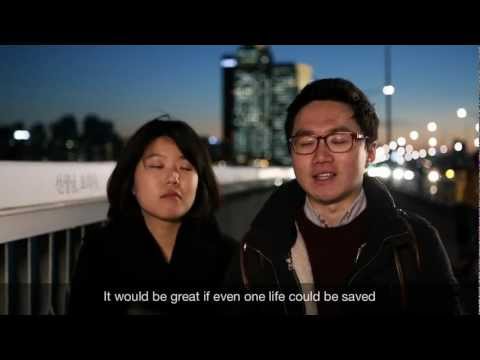
The hallmark of a legendary insurance ad is the rejection of the "soft sell" in favor of radical honesty. While competitors hide behind corporate jargon, brands like Samsung Life Insurance: Bridge of Life lean into the most uncomfortable corners of the human experience. By installing 2,205 motion sensors and LED lights that asked pedestrians mundane but grounding questions like "Did you eat anything?", they turned a site of tragedy into a physical manifestation of care. This isn't just advertising - it is the brand acting as a guardian before the claim is even filed. It works because it bypasses the logical brain and hits the nervous system, proving that the insurance industry is at its best when it stops talking about premiums and starts talking about the value of a single day.
When you aren't busy saving lives, you have to find a way to hack the consumer's inherent desire to ignore you. The industry is famous for its massive media spends, but the smartest players know that a clever use of the medium is cheaper than a billion-dollar pre-roll buy. Take GEICO: Unskippable, which turned the frustration of a five-second YouTube window into a comedic masterclass. By having actors freeze like human mannequins while a Saint Bernard named Bolt went off-script to devour a plate of spaghetti, they created something so absurd that users refused to click away. This "Frustration Marketing" approach led to 725,000 unaided views in a single day precisely because it respected the viewer's time by wasting it brilliantly. It is a reminder that in a "boring" industry, your biggest competitor isn't the other carrier - it is the "Skip Ad" button. Even the GEICO: Babysitter spot follows this logic, moving away from a simple price promise to a "Works For You" narrative by producing a staggering 164 total assets to meet the consumer wherever they happen to be scrolling.
Utility Is the Only Way to Outrun a Grudge Purchase
The most significant shift in modern insurance strategy is the move from being a "passive payer" to an "active protector." The campaigns that stick are the ones that build an utility rather than just a commercial. AXA: Three Words is the gold standard here, where the brand didn't just talk about domestic violence - they retroactively updated 3,429,611 existing home insurance contracts to include emergency victim support. By providing immediate housing and access to 50 specialized lawyers during the critical seven-day window of highest danger, AXA moved from being a financial backup to a societal lifeline. This structural shift is what differentiates a brand that cares from a brand that merely has a high production budget. It turns the insurance policy into a product that functions in the real world, rather than a document that sits in a dusty drawer until something goes wrong.
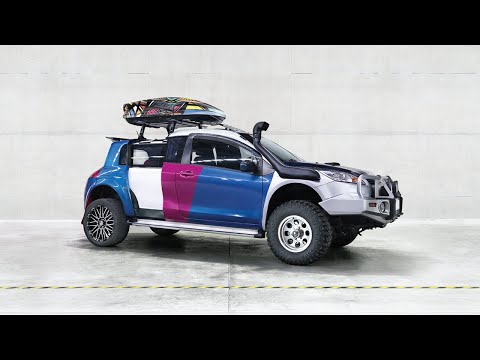
This same ethos of "making the invisible visible" is what drove NRMA: Car Creation to spend 4,480 man-hours building a "Frankenstein car" from 30,000 individual parts. By physically showing every component that competitors typically exclude as "optional extras," they turned a boring list of policy exclusions into a functioning, road-worthy vehicle. It was a mechanical surgery that dramatized the problem of hidden fine print. This level of craft and commitment is what separates iconic work from forgotten filler; it shows the audience that the brand is willing to do the heavy lifting to prove their point. Like TAC: Meet Graham, which used a freakish, anatomically exaggerated sculpture to reveal the truth of human fragility, these campaigns use physical evidence to bypass the skepticism that usually greets a financial services ad.
Ultimately, the insurance category proves that the "boring" label is just a lack of imagination. Whether it is Acko: Tailor Test turning neighborhood tailors into heart health screeners using their existing waist-to-hip measurement data, or LMG Insurance: Safe & Sound Music Player using a 70/30 audio mix to feed traffic noise into a pedestrian's headphones, the best work in this space is defined by its ability to solve a problem before it becomes a claim. These brands stop being a bill you have to pay and start being a partner you want to keep. They succeed not because they have the biggest lizard or the loudest spokesperson, but because they have the courage to treat insurance as a human service rather than a financial product. In an industry built on the fear of the future, these campaigns provide the only thing that actually sells: a reason to believe that someone is actually looking out for you.