Neutrality is the most expensive strategy a brand can buy. In an era of algorithmic safety and beige corporate consensus, picking a side isn't just a moral choice - it is a defensive maneuver against total invisibility. Most "purpose-led" marketing feels like a corporate apology tour; it is a thin veneer of empathy applied by a committee terrified of a Twitter ratio. But the work in this collection functions differently. These brands didn't just join a conversation; they forced a confrontation. They traded the comfort of the "silent majority" for the fierce loyalty of a specific minority. This isn't about being "nice." It’s about being undeniable.
What separates a "stand" from a "stunt" is the willingness to break the business model. Most brands want the credit for activism without the cost of the infrastructure. Look at Boost Mobile: Boost Your Voice. They didn't just run a "get out the vote" ad; they spent six months "cold-calling 817 county election officials" to navigate bureaucratic skepticism and turn retail stores into actual government polling stations. That is a logistical nightmare, not a media buy. They closed their doors to sales to open them to democracy. This is the hallmark of the playlist: the transition from "awareness" to "structural intervention."

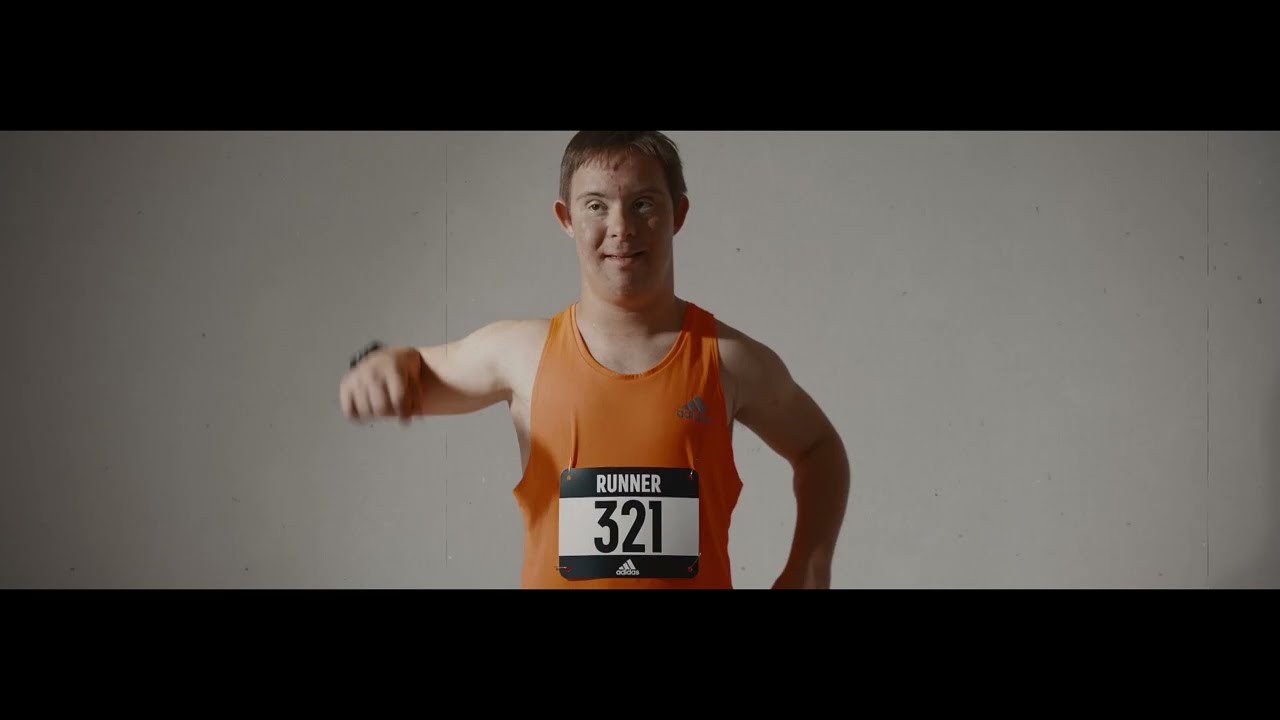
There is a specific kind of creative courage required to tell your own customers to go away. Most marketing is a desperate, sweaty plea for attention from everyone, but Tecate: Standing Against Domestic Violence did the opposite. By explicitly telling abusers "we don't want you to buy us," they used a "rare anti-sales pitch" to define the brand’s boundaries. Similarly, Volvo: The E.V.A. Initiative didn't just talk about safety; they open-sourced 40 years of crash data to expose the "deadly truth of male-centric design." They gave away their competitive advantage to fix a cultural blind spot. Even Adidas - Runner 321 followed this blueprint, moving beyond a one-day stunt to create a toolkit that allowed race directors to integrate a new bib standard into their registration software permanently. It’s a land grab disguised as a gift.
Logistics Are the New Ad Copy
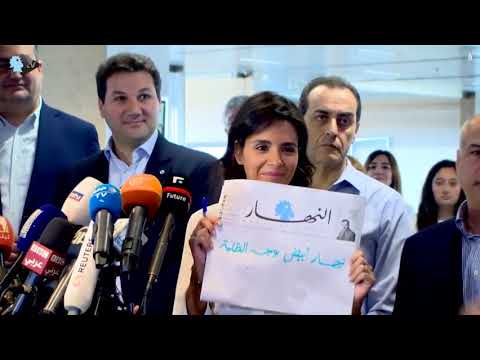
When the stakes are high, the craft must be higher. You cannot take a radical stand with a stock-footage montage. An-Nahar: The Blank Edition achieved legendary status because it understood the power of a "masterclass in minimalism." It took a Cannes jury only "five seconds" to decide on the Grand Prix because the idea was so physically absolute. By printing nothing, they said everything, turning a silent newspaper into the "best-selling edition" in the paper's 85-year history. This is the "Selfstorming" lens in action: we aren't looking for brands that tweeted a hashtag; we are looking for brands like Nike - Dream Crazy, which sustained "two years of secret debates" before dropping a campaign that wiped $6 billion off its market value only to gain it back with interest through sheer cultural dominance.
Beyond the headlines, the real craft of conviction lies in the technical guts of the work. Take Reporteros Sin Fronteras: Still Speaking Up, which utilized an ethical application of deepfake technology to digitally resurrect a murdered journalist. This wasn't a digital puppet for entertainment; it was a "chilling digital resurrection" that forced a president to look into the eyes of a man his administration had failed to protect. Similarly, Sleeping Giants: A Campaign To De-Fund Bigotry proved that a "two-person army" could strip $8 million in revenue from extremist sites using nothing but screenshots and social pressure. These campaigns don't just win awards; they create a permanent shift in the landscape. They realize that in the modern economy, respect is a far more stable currency than reach. If you aren't risking a boycott, you aren't actually standing for anything; you're just participating in the background noise of a world that has already stopped listening. Conviction isn't a cost center - it is the ultimate creative shortcut to a brand with a soul.