Sleeping Giants: A Campaign To De-Fund Bigotry
Sleeping Giants aimed to combat online bigotry by cutting off its primary source of income: digital advertising. They needed to mobilize a global audience to hold major corporations accountable for where their automated ad dollars were landing, pressuring brands to audit their programmatic placements and stop inadvertently funding hate speech and misinformation.
Creative Idea
Crowdsourced screenshots of ads on extremist sites forced brands to publicly defund hate speech.
Sleeping Giants empowered social media users to screenshot ads appearing next to hate speech and tweet them to brands. By exposing the unintended funding of bigotry, they forced corporations to align their ad spend with their stated values.
The Two Person Army That Stripped Bannon of Millions
The Illusion of a Global Giant
For the first 18 months, the campaign operated under a veil of total anonymity to project the image of a massive, corporate - scale organization. In reality, the core U.S. operation was a "two - person army" consisting of Matt Rivitz and Nandini Jammi. Working remotely with zero budget, they utilized "evidence marketing" by instructing followers to screenshot ads next to extremist content. This DIY approach turned social media users into a decentralized quality assurance team, exposing the "black box" of programmatic advertising that CMOs had long ignored.
Stripping the Free Cash Flow
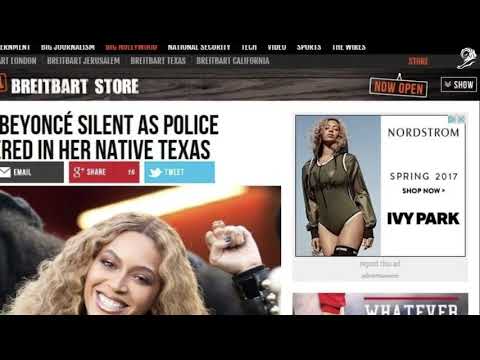 The financial fallout was catastrophic for targeted outlets. Former Breitbart executive Steve Bannon admitted the campaign caused a 90% drop in ad revenue, removing an estimated $8 million in free cash flow. Beyond Breitbart, the movement pressured over 4,000 brands - including AT&T, Kellogg’s, and Visa - to pull support. The impact extended to broadcast media, where the group’s pressure contributed to the ousting of Bill O’Reilly after his show lost more than half its advertisers in a single week.
From Screenshots to French Law
The campaign’s legacy is now codified in international law. In 2020, France passed the "Sleeping Giants Amendment," requiring companies to publish monthly "site lists" to ensure transparency in where their automated ads appear. While the founders eventually split due to internal friction over credit, their work shifted "brand safety" from a technical IT checkbox to a core ethical pillar of modern marketing. What began as a series of tweets in November 2016 fundamentally redefined the responsibility of the global advertising industry.
Creative Strategy Deconstructed
Company
A decentralized network of digital activists and concerned citizens.
Category
Programmatic advertising often funds extremist content through automated exchanges without brand oversight.
Customer
Consumers wanted a tangible way to fight rising hate speech beyond just posting opinions.
Culture
The rise of screenshot culture and the immediate accountability of public social media mentions.
Company
A decentralized network of digital activists and concerned citizens.
Category
Programmatic advertising often funds extremist content through automated exchanges without brand oversight.
Strategy:
Weaponize brand safety transparency to dismantle the financial infrastructure of extremist media through decentralized consumer activism.
Customer
Consumers wanted a tangible way to fight rising hate speech beyond just posting opinions.
Culture
The rise of screenshot culture and the immediate accountability of public social media mentions.
Strategy:
Weaponize brand safety transparency to dismantle the financial infrastructure of extremist media through decentralized consumer activism.
Results
The campaign achieved massive scale and tangible impact. Over 4,000 advertisers publicly committed to blocking Breitbart News from their media buys. The movement expanded to 10+ countries with localized accounts. Key media figures were impacted: Bill O'Reilly was ousted from Fox News following an advertiser boycott, and Alex Jones was banned from major platforms including YouTube and Twitter. Most notably, Steve Bannon admitted that the group's actions caused Breitbart's ad revenue to drop by 90%, with 31 out of 35 ad exchanges stripping the site from their networks. The campaign cost $0 to execute, relying entirely on organic social media engagement.
90%
drop in Breitbart ad revenue
4,000+
advertisers blocked hate sites
31/35
ad exchanges removed Breitbart
Strategy Technique
Turn the Brand Into a Movement
It transformed a simple digital tactic into a global grassroots movement. By providing clear, repeatable instructions, it allowed anyone with a smartphone to participate in a massive economic boycott.
Explore Technique
Creative Technique
Apply Social Pressure
The campaign weaponized public accountability by tagging brands in screenshots of their ads next to extremist content. This forced immediate responses from companies fearing reputational damage from being associated with hate.
Explore Technique
Craft Breakdown
The campaign's brilliance lies in its strategic use of existing digital infrastructure and copywriting to weaponize brand safety against extremist funding.
The 'How to be a Giant' guide simplified a complex ad-tech problem into three actionable steps for the average user.
The campaign exploited the 'blind' nature of programmatic advertising to force brands into manual intervention.
“The synergy between the simple copywriting and the deep understanding of media buying mechanics created a low-friction, high-impact activist tool.”