Pedigree: Caramelo
Pedigree tasked AlmapBBDO São Paulo with addressing the significant bias against Brazil's mixed-breed "Caramelo" dogs, which resulted in low adoption rates. The brand sought to elevate the Caramelo's status, foster national pride, and significantly increase their adoption by the Brazilian public, making Pedigree synonymous with this positive change.
Creative Idea
Pedigree literally gave Brazil's beloved mixed-breed "Caramelo" dogs an official pedigree, elevating their status.
Pedigree challenged the bias against Brazil's beloved mixed-breed "Caramelo" dogs by creating an official "Pedigree Caramelo" identity, complete with genetic research, a kennel club, and dog shows, ultimately transforming them into the most adopted breed and gaining global recognition.
Giving Brazil's Most Famous Mutt a Real Pedigree
237 Million Impressions for a Viral Stunt
The campaign launched with a calculated "controversy" featuring lead advocate Tatá Werneck. The Brazilian actress staged a viral video expressing outrage after her dog, Maminha, was allegedly barred from a dog show for lacking a pedigree. This orchestrated moment served as the catalyst for Pedigree to "intervene," sparking a conversation that reached 237 million impressions and generated a 400% increase in organic engagement. The strategy translated into commercial success, driving a 23.2% year-on-year sales lift for Pedigree in Brazil.
Genetic Science Meets Letterpress Art
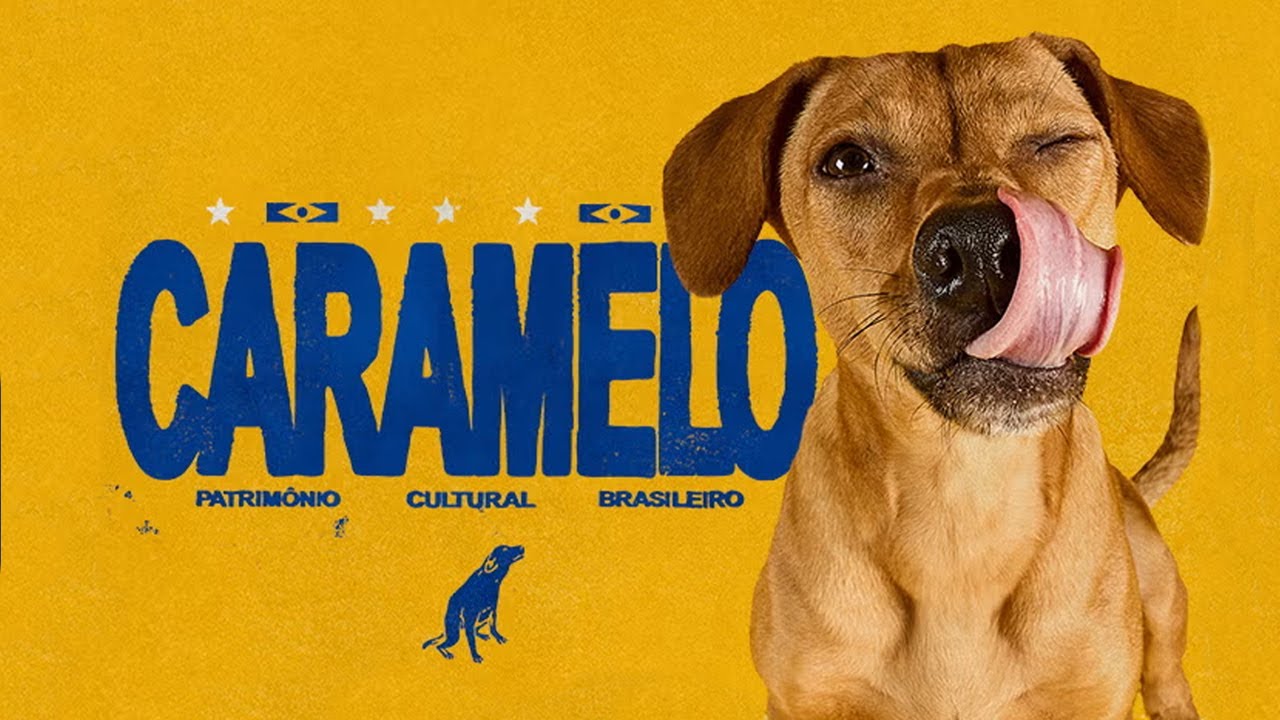 To move beyond mere symbolism, Pedigree partnered with DNA Pets to conduct a genetic study of 350 Caramelos. This research identified shared traits to provide a scientific basis for the "breed." Visually, the agency AlmapBBDO collaborated with Black Madre to create an identity rooted in Brazilian "vernacular art." They utilized letterpress techniques inspired by hand-painted street signs and popular posters to ensure the campaign felt like a soulful piece of local culture rather than a corporate mandate.
Changing the Rules of the Kennel Club
The impact extended to the highest levels of cynical dog culture. The FCI (Fédération Cynologique Internationale), the world’s largest kennel club organization, responded to the movement by announcing it would allow mixed-breed dogs in its shows. This shift addressed a heartbreaking reality: despite being cultural icons, Caramelos were previously 90% less likely to be adopted than purebreds. By the end of the first month, adoption rates for mixed breeds surged by 218%, effectively rebranding Brazil's most common dog as its most desirable.
Creative Strategy Deconstructed
Company
Pedigree leveraged its brand name, synonymous with official lineage, to credibly bestow status upon overlooked mixed-breed dogs.
Category
The pet care category typically reinforced purebred status, overlooking mixed-breed dogs as less desirable or official.
Customer
Brazilians cherished Caramelos as cultural icons, yet felt a societal tension where these beloved dogs lacked official recognition and adoption opportunities.
Culture
Brazil's deep cultural affection for the Caramelo, amplified by meme culture and celebrity advocacy, created fertile ground for a movement.
Company
Pedigree leveraged its brand name, synonymous with official lineage, to credibly bestow status upon overlooked mixed-breed dogs.
Category
The pet care category typically reinforced purebred status, overlooking mixed-breed dogs as less desirable or official.
Strategy:
Elevate an overlooked cultural icon to challenge systemic bias and redefine value through official recognition.
Customer
Brazilians cherished Caramelos as cultural icons, yet felt a societal tension where these beloved dogs lacked official recognition and adoption opportunities.
Culture
Brazil's deep cultural affection for the Caramelo, amplified by meme culture and celebrity advocacy, created fertile ground for a movement.
Strategy:
Elevate an overlooked cultural icon to challenge systemic bias and redefine value through official recognition.
Results
The campaign garnered +78 MM followers on social media for Tata Werneck. It generated +32 MM interactions on social media. The Caramelo Kennel Club received +3,500 sign-ups, becoming the biggest kennel club in Latin America. The Caramelo Show event saw a 150% increase in adoptions. Overall, the campaign achieved 237 MM impressions, +400% organic engagement, and 99% positive reactions. In the first month, there was a 218% increase in Caramelo adoptions. Furthermore, the world's largest purebred dog organization, the FCI, announced that from now on, Caramelos would be allowed in their shows, recognizing the importance of including mixed-breed dogs in their initiatives and dedicating space to them at events.
218%
increase in Caramelo adoptions
+400%
organic engagement
237 MM
impressions
Strategy Technique
Turn the Brand Into a Movement
Pedigree transformed the overlooked Caramelo into a national symbol, fostering a community around its recognition and adoption. By creating a kennel club and dog show, it ignited a cultural shift, making the brand synonymous with this powerful movement.
Explore Technique
Creative Technique
Fight prejudice
The campaign directly confronted the societal bias against mixed-breed dogs, elevating their status from "mutts" to officially recognized and celebrated companions. It aimed to dismantle the prejudice that led to lower adoption rates for Caramelos.
Explore Technique
Craft Breakdown
This campaign's craft is exceptional in its integrated approach, leveraging real-world actions, scientific research, and a strong visual identity to redefine a cultural icon and drive tangible social change.
The creation of the Caramelo Kennel Club, the DNA-based certification process, and the Caramelo Show itself are brilliant examples of designing a real-world experience that directly addresses the problem and creates a solution.
The visual identity for the 'Caramelo breed,' including the certificates, the new Pedigree packaging, and the campaign's overall aesthetic, is cohesive and elevates the status of the mixed-breed dog.
The strategic use of a celebrity stunt to generate outrage and spark a national conversation, followed by a well-timed brand intervention, demonstrates exceptional media planning and amplification.
The clear and impactful presentation of statistics, genetic research findings, and campaign results effectively communicates the problem's scale and the solution's success, making complex information accessible and persuasive.
“The campaign's magic truly comes from the seamless integration of these diverse disciplines, where each element amplifies the others to create a powerful and cohesive narrative of recognition and change.”