2004DoveConsumer GoodsCase video
Dove: Real Beauty: How a Soap Brand Created a Global Self-Esteem Movement
Dove faced the challenge of standing out in a commoditized soap market. Working with Ogilvy London, they sought to move beyond functional benefits to build a deep emotional connection with women globally. The goal was to address the widespread insecurity caused by toxic beauty standards, transforming the brand into a purposeful leader that drives both social impact and long-term commercial value.
Creative Idea
Challenged the beauty industry by replacing artificial models with real women and systemic advocacy.
Dove evolved from a soap brand to a global self-esteem advocate by exposing industry digital distortions and championing real women, proving that long-term purpose-led action drives both massive commercial growth and systemic societal change.
Redefining Industry Standards to Spark a Global Self-Esteem Movement
Challenging Narrow Media Norms
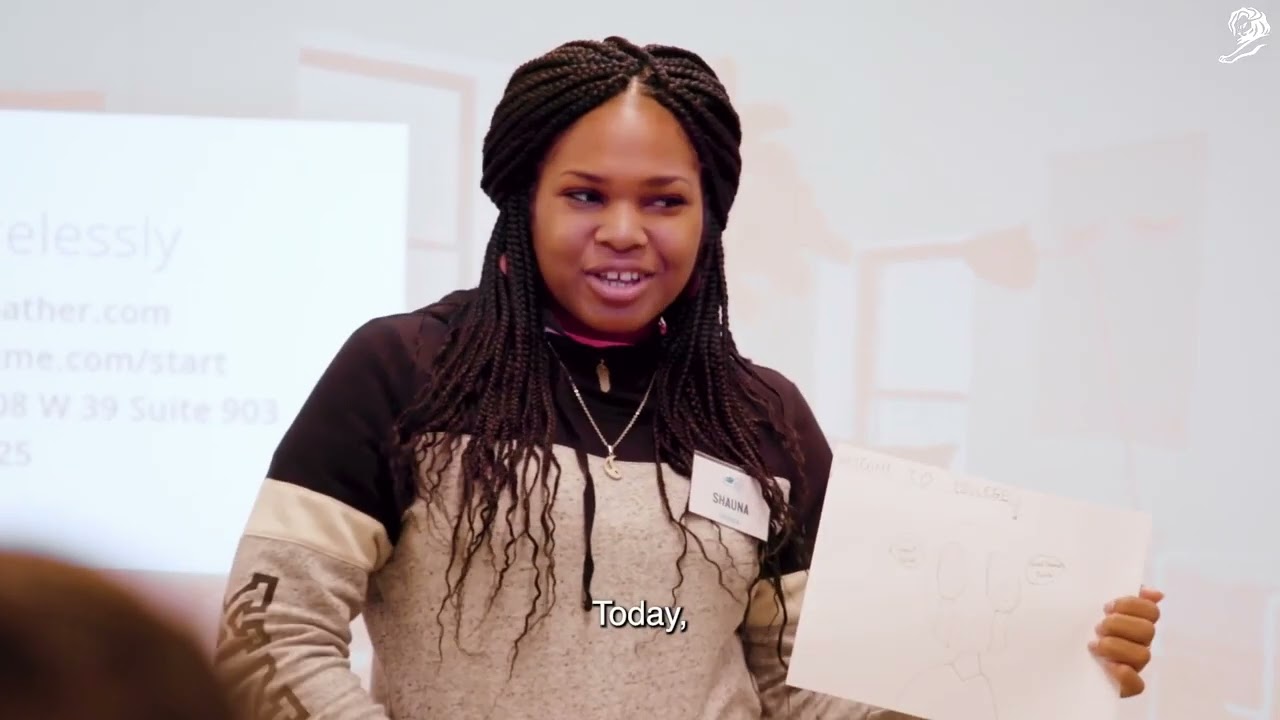
In 2004, research conducted by Dove revealed that only 2% of women considered themselves beautiful, while half felt that beauty was defined far too narrowly. Seeking a powerful global message to make the brand as iconic as Nike or Apple, a largely female agency-client team interviewed women about their feelings on beauty and media representation. Working with global brand leader Silvia Lagnado and Alessandro Manfredi, the team produced the Dove Vision book to define the brand's core values and personality.
The campaign launched with non-traditional outdoor ads featuring ordinary women shot by photographer Rankin instead of professional models. Passersby voted live on interactive billboards featuring prompts such as "Fat or Fab" and "Wrinkled or Wonderful". Early executions began with the "Tested on Real Curves" campaign for Dove Firming lotion, which provided an initial beauty purpose for the product range.
Exposing Digital Distortions and Expanding Formats
The platform expanded into digital content with the 2006 film "Evolution", created by Ogilvy & Mather Toronto under art director Tim Piper's "Beauty Crackdown" concept. Directed by Yael Staav and Tim Piper with music by The Flashbulb, the 75-second film exposed the extreme post-production retouching behind commercial beauty imagery.
In 2013, creator Hugo Veiga introduced "Real Beauty Sketches", where a forensic sketch artist drew women based on their own self-descriptions versus how strangers described them. Strangers' descriptions proved consistently more flattering, demonstrating the impact of internal self-criticism.
Public Backlash and Industry Critiques
The platform faced periodic controversy over the years. A 2017 initiative featuring 6,800 body wash bottles packaged in six different body shapes drew swift backlash from women on social media. Additionally, a Craigslist casting ad calling for "flawless" non-models created public outrage; Dove pulled the ad, stating it had never approved the specific wording.
Critics including Ann Friedman of The Cut and Erin Keane of Salon argued that the initiative continued to treat beauty as paramount. Other commentators pointed out that early models were predominantly white, thin, and young, while a photo retoucher claimed to have edited photos that were presented as unedited. Corporate critiques highlighted Unilever's ownership of other brands such as Axe, SlimFast, and the skin-lightening product Glow & Lovely.
Long-Term Advocacy and Policy Impact
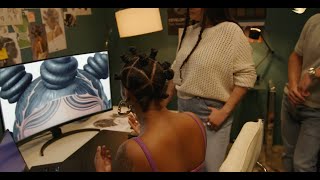
Beyond advertising, the platform developed broader social initiatives. Dove co-founded the CROWN Coalition alongside Color of Change, the National Urban League, and the Western Centre on Law and Poverty to address hair discrimination.
Perspectives from Key Figures
The firming lotion was a gift. I am not sure we would have found a beauty purpose in deodorant.
People loved the brand for the reason of the products, but they had very little emotional connection with the brand.
We learned a lot about the power of the internet, not that we doubted it
The Campaign for Real Beauty built a brand and a business; it shaped culture and changed lives.
Pyramid of Truth deconstruction
The Pyramid of Truth reveals how Dove unlocked massive brand value by shifting from functional soap claims to solving deep female emotional insecurity.
Results
The Real Beauty platform helped transform Dove from a soap product into a $7.5 billion global power brand, driving Dove Firming lotion sales 700% past its launch target and growing overall soap sales from $2 billion to $4 billion within three years. "Evolution" achieved 12 million views in its first year while generating an estimated $150M in earned media value. The Dove Self-Esteem Project became the world's largest provider of self-esteem education, reaching 94 million kids, while advocacy for the CROWN Act passed laws prohibiting hair discrimination across 27 states.
$7.5 billion
Brand platform value reached
700%
Surpass of Firming Lotion launch target
94 million
Kids reached with self-esteem education
144 million
Views for Real Beauty Sketches in one month
$150M
Estimated exposure value generated by Evolution
27 states
States passing CROWN Act hair discrimination laws
Strategy Technique
Turn the Brand Into a Movement
Dove shifted from selling soap to solving the global crisis of low self-esteem, creating a long-term platform that aligns business growth with systemic social change and legislative action.
Explore Technique
Creative Technique
Fight stereotypes
By consistently featuring diverse, unretouched women and challenging industry norms like digital manipulation and AI-generated imagery, Dove dismantled narrow beauty standards to build a brand rooted in authentic representation and social advocacy.
Explore Technique
Craft Breakdown
Dove's campaign craft is exceptional for its long-term strategic consistency and its ability to translate social insights into powerful, multi-platform creative executions.
The campaign's ability to articulate complex social issues like self-esteem and hair discrimination into simple, powerful taglines and narratives is remarkable.
The visual storytelling across various sub-campaigns consistently captures raw, authentic human emotion, which is central to the brand's message.
The strategic use of diverse channels, from viral videos to legislative advocacy, shows a masterclass in how a brand can occupy a cultural space over decades.
The consistent use of a clean, minimalist aesthetic that centers on real people has become a recognizable and influential visual language for the brand.
“The synergy between insightful copywriting and strategic media planning allowed Dove to move beyond traditional advertising into the realm of cultural and legislative change.”
Questions about Dove: Real Beauty: How a Soap Brand Created a Global Self-Esteem Movement
Who created the Dove Campaign for Real Beauty?
The creative concept for the campaign was conceived by Ogilvy Düsseldorf and Ogilvy London, with the initial vision inspired by Dove's global head of brand, Silvia Lagnado.
Who directed and made the film 'Evolution'?
The film 'Evolution' was created by Ogilvy & Mather Toronto, conceived by art director Tim Piper, directed by Yael Staav and Tim Piper, and set to music by The Flashbulb.
What song was used in the Dove 'Evolution' spot?
The spot used the track 'Passage D' by The Flashbulb.
What awards did the campaign win at Cannes Lions?
The 'Evolution' film won both the Film Grand Prix and Cyber Grand Prix at Cannes in 2007. 'Real Beauty Sketches' won the Titanium Grand Prix and an Integrated Gold Lion in 2013, while the platform won a Creative Strategy Grand Prix in 2025.
Why was the Campaign for Real Beauty criticized?
Critics argued the campaign still prioritized physical beauty, featured mostly young, white, thin models, and relied on retouched imagery. Public backlash also hit a 2017 body-shaped bottle release, a controversial Craigslist casting call, and parent company Unilever's sales of skin-lightening products.
What was the concept behind 'Real Beauty Sketches'?
Created by Hugo Veiga, the film featured a forensic sketch artist who drew women based first on their self-descriptions and then on descriptions provided by strangers, showing that strangers saw them as more flattering.
What is the CROWN Act and how is Dove involved?
Dove co-founded the CROWN Coalition in 2019 to champion legal protections against race-based hair discrimination, helping pass legislation across 27 US states.
Credits (6)
| Creative Conception | Ogilvy Düsseldorf and Ogilvy London |
|---|---|
| Ogilvy Team Lead | Daryl Fielding |
| Executive Creative Director | Malcolm Poynton |
| Global Head of Brand | Silvia Lagnado |
| Photographer | Rankin |
| Film Co-Director & Art Director ('Evolution') | Tim Piper |
Milestones (4)
- 2004
Unilever launches the Dove Campaign for Real Beauty alongside agency partners Ogilvy, Edelman, and Harbinger Capital.
- 2006
Unilever airs the 'Little Girls' spot during Super Bowl XL and Ogilvy & Mather Toronto uploads 'Evolution' to YouTube.
- 2013
Dove launches the 'Real Beauty Sketches' film created by Hugo Veiga.
- 2019
Dove co-founds the CROWN Coalition to fight race-based hair discrimination.
Sources (4)
- Dove Campaign for Real Beauty - Wikipedia · en.wikipedia.org
- History of Dove - Creative Salon · creative.salon
- Case Study: Dove Evolution - D&AD · dandad.org
- Dove's 'Real Beauty Sketches' Earns Ogilvy Brazil the Titanium Grand Prix - Adweek · adweek.com