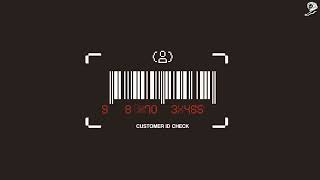
Indian Railways: Lucky Yatra
Indian Railways faced a staggering $820 million annual loss due to 41% of commuters traveling without tickets. FCB India was tasked with finding a way to increase ticket sales among millions of daily passengers in Mumbai. The goal was to move beyond ineffective punitive measures and create a positive, scalable reason for travelers to pay their fares voluntarily.
Creative Idea
Turned every train ticket's unique serial number into a daily lottery entry to reward payment.
Indian Railways tackled massive fare evasion by turning every valid train ticket into a lottery entry, leveraging the nation's obsession with gambling to transform a boring legal requirement into a high-stakes opportunity for a life-changing reward.
Turning Ticket Serial Numbers Into Winning Numbers
From Punitive Fines To Positive Nudges
The campaign fundamentally shifted the psychology of the Mumbai commute by leveraging India's $30 billion lottery culture. Instead of relying on the threat of fines, FCB Interface and the Mumbai Division of Central Railways turned the existing UTS (Unreserved Ticketing System) serial numbers into entry codes. This required deep integration with Railway Tech Systems & IT to ensure the random selection process was verifiable and fair without requiring passengers to download new apps or register.
A Slow Start And Scam Allegations
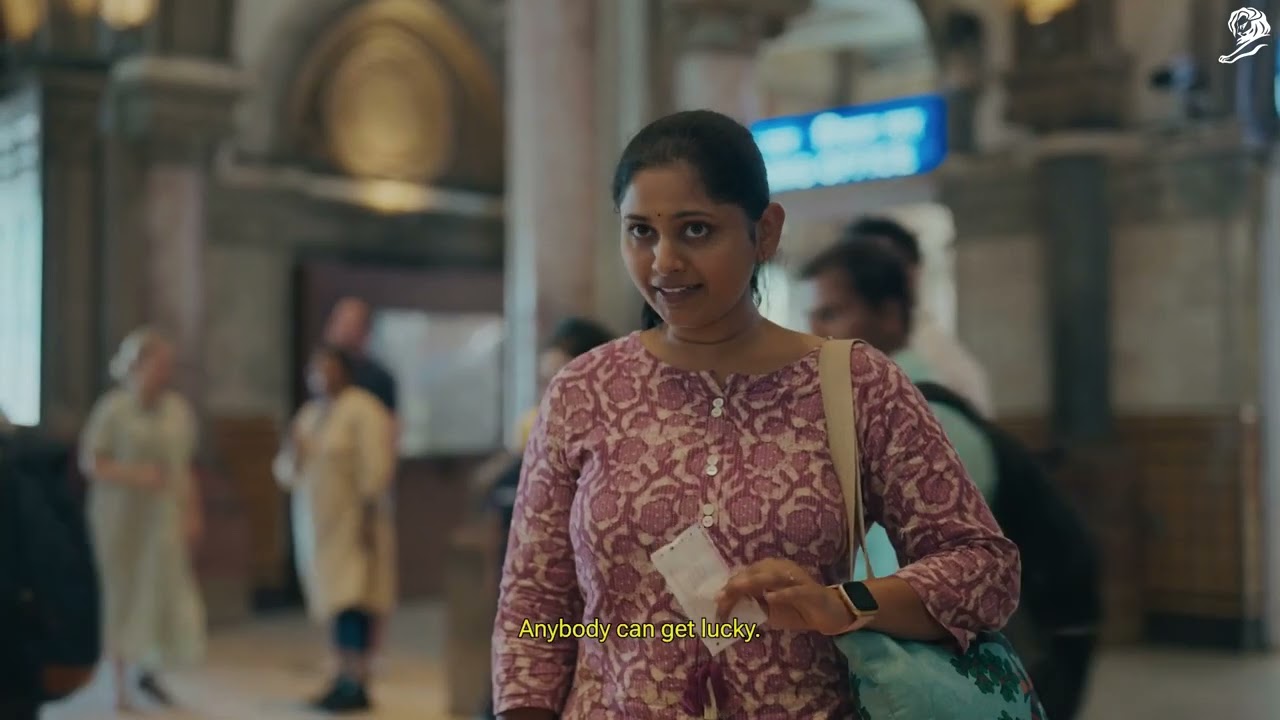 Success was not immediate. During the first week, zero prizes were claimed because commuters were so conditioned to ignore official railway posters that they assumed the "lottery" was a hoax. The momentum only shifted when Radio Mirchi began broadcasting live winner announcements, providing the social proof needed to validate the program. Despite its massive success, the campaign faced "scam ad" allegations from industry critics after its win. However, a formal Cannes Lions investigation cleared the entry, confirming its legitimacy and the staggering 490:1 ROI it delivered.
Massive Scale On A Micro Budget
With a prize pool of just $1.4 million, the initiative generated an additional $685 million in revenue. At launch, ticket sales spiked by 34%, proving that behavioral gamification could solve a civic compliance issue that decades of policing could not. Dheeraj Sinha, Group CEO of FCB India, noted that the project succeeded because it moved beyond storytelling into creative business transformation, resulting in over 560 million impressions and a 95% positive sentiment rating among the 24 million daily commuters.
Creative Strategy Deconstructed
Company
A massive network of 24 million daily passengers and a unique serial number on every single issued ticket.
Category
Public services typically rely on fines, policing, and negative reinforcement to ensure compliance and prevent revenue loss.
Customer
Commuters who viewed ticket buying as an avoidable expense but were deeply motivated by the dream of winning a lottery.
Culture
A national obsession with lotteries where citizens spend billions annually chasing small chances of massive financial windfalls.
Company
A massive network of 24 million daily passengers and a unique serial number on every single issued ticket.
Category
Public services typically rely on fines, policing, and negative reinforcement to ensure compliance and prevent revenue loss.
Strategy:
Incentivize civic compliance by reframing a mandatory expense as a low-cost entry into a high-reward cultural obsession.
Customer
Commuters who viewed ticket buying as an avoidable expense but were deeply motivated by the dream of winning a lottery.
Culture
A national obsession with lotteries where citizens spend billions annually chasing small chances of massive financial windfalls.
Strategy:
Incentivize civic compliance by reframing a mandatory expense as a low-cost entry into a high-reward cultural obsession.
Results
The 'Lucky Yatra' campaign achieved significant results: $1.4M in prizes were distributed, which generated $685M in train ticket sales. This resulted in an impressive ROI of 490:1 (prizes to revenue). Ticket paying increased by 34%. The campaign produced 416 yearly winners and is now expanding to all 7000+ stations in India. It also earned significant media coverage from major outlets like The Times of India, The Indian Express, and Mumbai Press, with 560M impressions.
490:1
ROI (Prizes to Revenue)
34%
increase in ticket paying
$685M
generated in ticket sales
Strategy Technique
Borrow Equity
The campaign siphoned the massive cultural energy and participation from India's $33 billion lottery industry and applied it to the public transportation sector to solve a civic compliance issue.
Explore Technique
Creative Technique
Gamification
It converted the mundane act of buying a transit ticket into a game of chance, using existing ticket serial numbers as entry codes to incentivize compliance through play rather than punishment.
Explore Technique
Craft Breakdown
The campaign's brilliance lies in its deep cultural insight and the seamless integration of a new utility into an existing, century-old system.
The strategic use of existing ticket numbers and station infrastructure turned a massive physical network into a gamified media channel.
The messaging effectively bridges the gap between a civic duty (paying for tickets) and a national pastime (playing the lottery).
“The synergy between the cultural insight of lottery obsession and the logistical scale of the railway infrastructure is what makes the execution flawless.”