Apple: Here’s to the Crazy Ones
Apple approached TBWA\Chiat\Day in 1997. The client wanted to re-establish its brand identity and differentiate itself from PC competitors. Apple needed to reconnect with its core audience of creative professionals and innovators, inspiring loyalty and signaling a powerful comeback. The challenge was to celebrate individuals who challenged the status quo, positioning Apple as the platform for their transformative ideas and vision.
Creative Idea
Apple featured historical rebels and visionaries as its ideal users.
Apple's "Think Different" campaign celebrates innovative misfits and rebels who challenge the status quo, positioning the brand as a platform for creative and transformative thinkers. By highlighting groundbreaking individuals who changed the world, Apple metaphorically aligned its brand with innovation, creativity, and the spirit of pushing boundaries.
The Ninety Day Countdown to Bankruptcy
A direct hit on IBM
The "Think Different" slogan was a calculated psychological strike against IBM, whose corporate motto was simply "THINK." By positioning Apple as the "Different" alternative, the agency reframed the brand as a tool for visionaries rather than a commodity for office workers. This sparked a famous grammar debate; while critics pushed for "Think Differently," Steve Jobs insisted on "Different" as a noun, comparing it to phrases like "Think Victory."
The script Jobs called crap
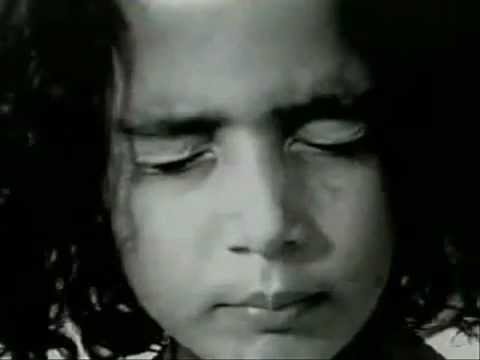 When Rob Siltanen and Lee Clow first presented the "Crazy Ones" manifesto, Jobs’ initial reaction was explosive, calling it "advertising agency sh*t." After the script was refined, the production fell to Jennifer Golub, who spent weeks scouring film archives for the seventeen icons featured. Many estates, including those of Albert Einstein and Mahatma Gandhi, granted rare permission for the footage because they respected Jobs’ vision for the brand’s resurrection.
The voice of the everyman
While Jobs recorded a "scratch track" version of the narration, he ultimately decided that having the CEO voice his own commercial would be too self-serving. He chose actor Richard Dreyfuss to provide a sense of "everyman" gravitas. The campaign debuted during the network premiere of Toy Story, signaling a new era for Apple just as it sat within 90 days of total bankruptcy. The impact was immediate: market capitalization soared by 875% within two years, and the brand was named Fortune’s "Most Admired" every year from 1998 to 2002. Today, the manifesto remains hidden as an Easter egg in various macOS icons.
Creative Strategy Deconstructed
Company
Apple possessed a legacy of being the design-led, intuitive alternative to the utilitarian PC market. Despite financial struggles, they maintained a core identity as the brand for the "rest of us" and creative thinkers.
Category
The technology sector was obsessed with "speeds and feeds," focusing on corporate productivity and standardized hardware. Computers were marketed as interchangeable office equipment rather than personal instruments of inspiration.
Customer
Creative individuals felt alienated by a world of soul-destroying corporate conformity. They sought a brand that validated their non-traditional thinking and treated technology as a catalyst for personal expression.
Culture
Society was moving toward a digital revolution where individual innovation was increasingly celebrated over institutional power. There was a deep cultural reverence for 20th-century visionaries who challenged the status quo.
Company
Apple possessed a legacy of being the design-led, intuitive alternative to the utilitarian PC market. Despite financial struggles, they maintained a core identity as the brand for the "rest of us" and creative thinkers.
Category
The technology sector was obsessed with "speeds and feeds," focusing on corporate productivity and standardized hardware. Computers were marketed as interchangeable office equipment rather than personal instruments of inspiration.
Strategy:
Position Apple as the essential tool for creative rebels by aligning the brand with history’s most transformative iconoclasts.
Customer
Creative individuals felt alienated by a world of soul-destroying corporate conformity. They sought a brand that validated their non-traditional thinking and treated technology as a catalyst for personal expression.
Culture
Society was moving toward a digital revolution where individual innovation was increasingly celebrated over institutional power. There was a deep cultural reverence for 20th-century visionaries who challenged the status quo.
Strategy:
Position Apple as the essential tool for creative rebels by aligning the brand with history’s most transformative iconoclasts.
Strategy Technique
Make the Brand the Hero of a Bigger Fight
Apple positioned itself as the essential platform for "the Crazy Ones" fighting to challenge the status quo. This aligned the brand with a larger mission of innovation and societal change.
Explore Technique
Creative Technique
Define, Label and Group
The campaign coined "the Crazy Ones" to define and label a group of visionary individuals. This created a distinct identity for those who challenge the status quo, aligning Apple with their spirit.
Explore Technique
Craft Breakdown
This campaign's craft is exceptional due to its profound copywriting and masterful editing, which together create a timeless and incredibly impactful message that transcends product promotion.
The voiceover script, known as 'Here's to the Crazy Ones,' is a powerful, poetic, and enduring piece of writing that perfectly captures Apple's brand philosophy without explicitly mentioning products.
The seamless montage of diverse archival black and white footage of iconic figures is expertly paced and cut, perfectly illustrating the voiceover's narrative and reinforcing the idea of individuals who 'think different.'
“The synergy between the profound, iconic voiceover and the meticulously curated historical footage is what truly elevates this campaign, creating an emotional and intellectual connection that is rare in advertising.”