
For decades, advertising treated "Mom" as a singular, lavender-scented demographic with an inexplicable passion for fabric softener. Most "mom" ads are a blur of soft-focus piano music and generic gratitude. But the campaigns that stick do something far more uncomfortable. They treat motherhood not as a greeting card, but as a visceral, biological, and occasionally terrifying force of nature. From the "messy, joyful hunger" of Burger King: Bundles of Joy to the clinical precision of a pregnancy test in a magazine, these ads succeed because they trade sentiment for truth. They acknowledge that a mother is a person with cravings, fears, and a tactical role in society - not just a recipient of flowers once a year.
The most daring work in this space treats the mother as a tactical asset rather than a weeping spectator. In Brazil, Sport Clube do Recife: Security Moms recognized that while a fan might punch a policeman, they won't punch their own mother. By training 30 mothers of known troublemakers for a high-risk derby - putting them through the same rigorous professional security and steward training as regular staff - the agency used maternal respect as a psychological deterrent. It was a strategy rooted in cultural sanctity, resulting in zero arrests and a global conversation about violence. This is "MOMvertising" as a security operation. It’s the same visceral energy found in Moms Demand Action: Groceries Not Guns, which highlighted the absurdity of gun laws by sending Kinder Surprise eggs to media figures to prove that chocolate is more regulated than rifles.

When a brand stops trying to please mothers and starts trying to terrify them, the creative energy shifts. In Dead Space: Your Mom Hates Dead Space, the agency recruited 200 real mothers from the Midwest - identified clinically as "Participant #0122" - and subjected them to the game’s most traumatizing scenes. It turns out that a mother’s genuine disgust is the ultimate endorsement for a teenage boy. This isn't just "knowing your audience"; it's understanding the friction between generations. These campaigns work because they acknowledge the tension of growing up rather than pretending every household is a catalog for organic yogurt. They use the mother not as a spokesperson, but as a cultural boundary to be pushed. By leaning into the "uncomfortable," these brands achieved a level of cultural resonance that a standard testimonial could never touch, proving that maternal disapproval is often more marketable than maternal praise.
Biotech, Blood, and the End of Soft Focus
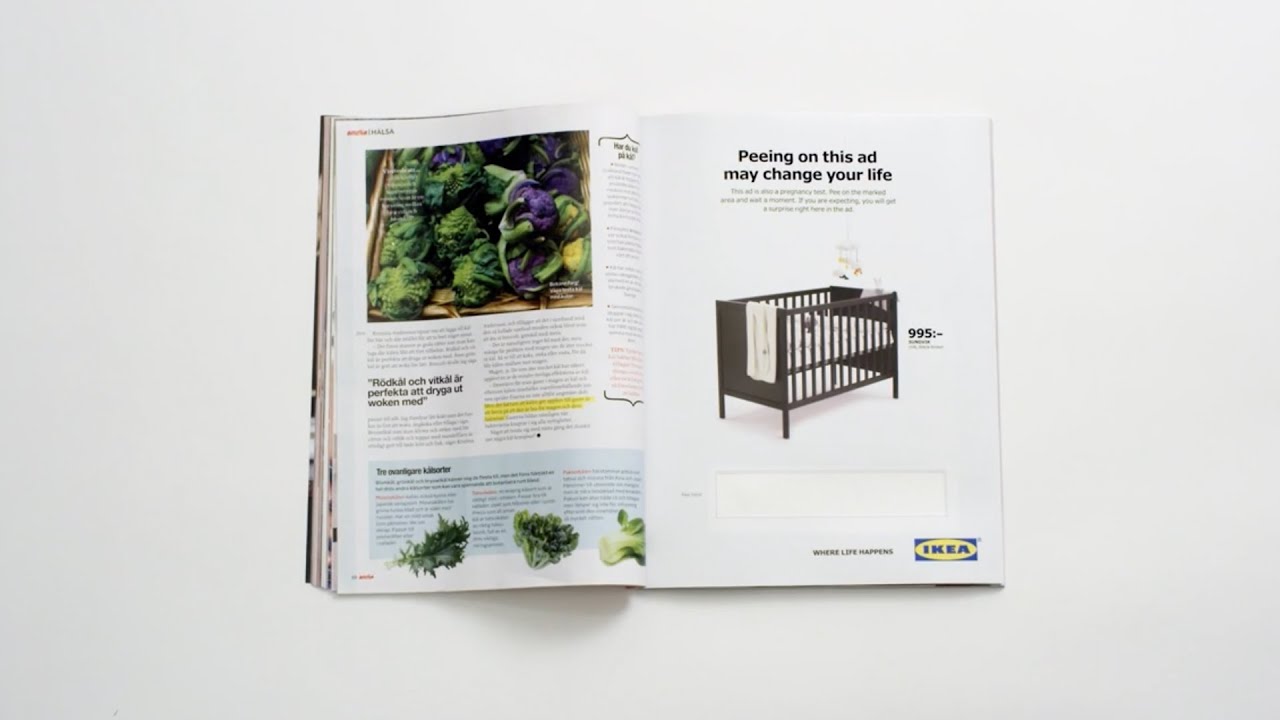
Then there is the category of "Unexpected Utility," where the ad itself becomes a functional tool. Most brands would be content with a nice photo of a crib, but IKEA: Pee Ad spent twelve months in R&D with biotech startup Mercene Labs to create a magazine page that functioned as a pregnancy test. It’s a high-stakes gamble; if the tech fails, the brand looks ridiculous. But when it works, it creates a visceral, physical connection that a 30-second spot can never replicate. This level of craft - moving from a "message" to a medical-grade diagnostic - is what separates iconic work from the forgotten. It’s the difference between telling a mother you care and actually providing her with a tool that changes her day. By the time the reader sees the discounted price revealed by their own biology, the brand has moved from a furniture store to a partner in the journey.
The final evolution of this theme is the move from communication to structural change. Ariel: Share the Load didn't just ask men to help; it used data to reveal that 71% of Indian women lose sleep due to household chores, turning a laundry detergent into a tool for social reform. This is why this collection feels so different from your standard "holiday tear-jerker" collection. It’s not about the sentiment of motherhood; it’s about the labor, the biology, and the sheer tactical power of the role. Whether it’s syncing a "Grill Line" to the national birth rate of one baby every 36 minutes or a detergent brand changing a nation's habits, these campaigns prove that "momvertising" is at its best when it stops being cute and starts being useful. Great strategy doesn't just celebrate a role - it empowers the person living it. Motherhood is a messy, high-stakes reality, and the best advertising finally has the guts to show it.