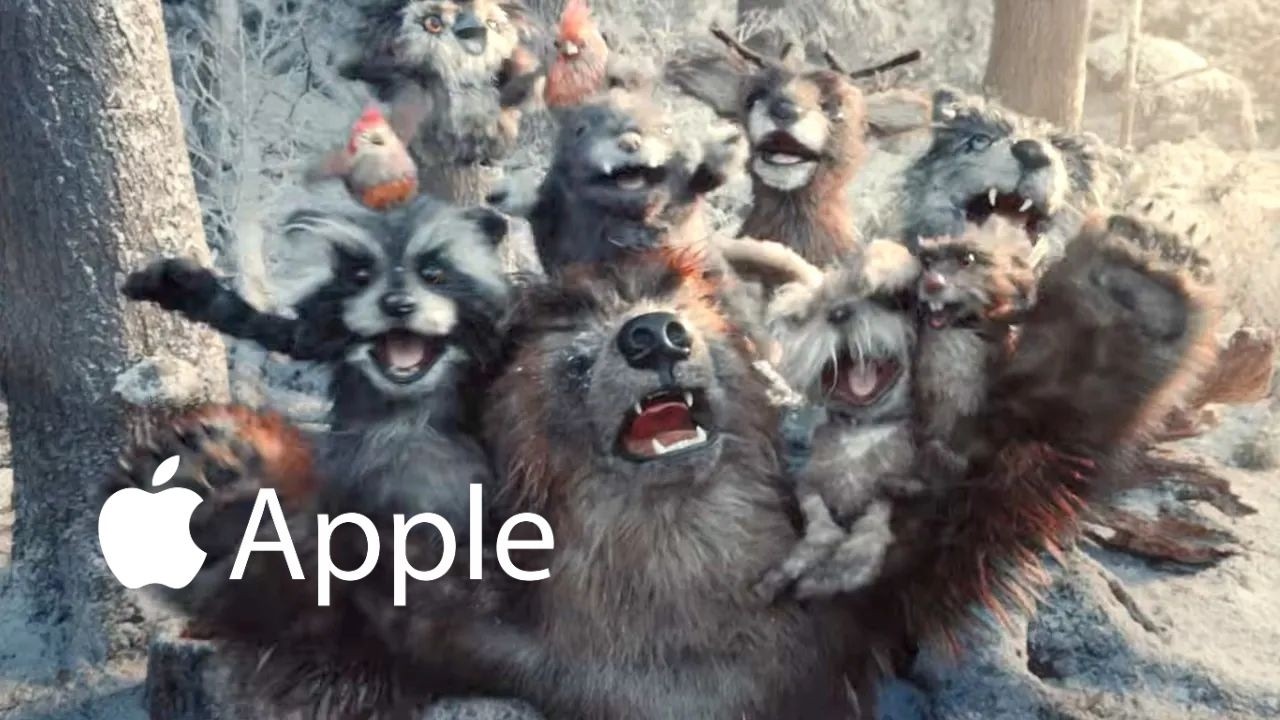
In an era of "digital slop," the 2026 D&AD winners prove that the most expensive thing you can buy isn't server time - it's a director who refuses to use it. These films represent a tactile rebellion against the frictionless polish of generative AI. While the average brand prompted its way to mediocrity, the winners were busy welding double-decker muscle cars or using hand-felted puppets in a Kladno studio to create Apple: A Critter Carol.
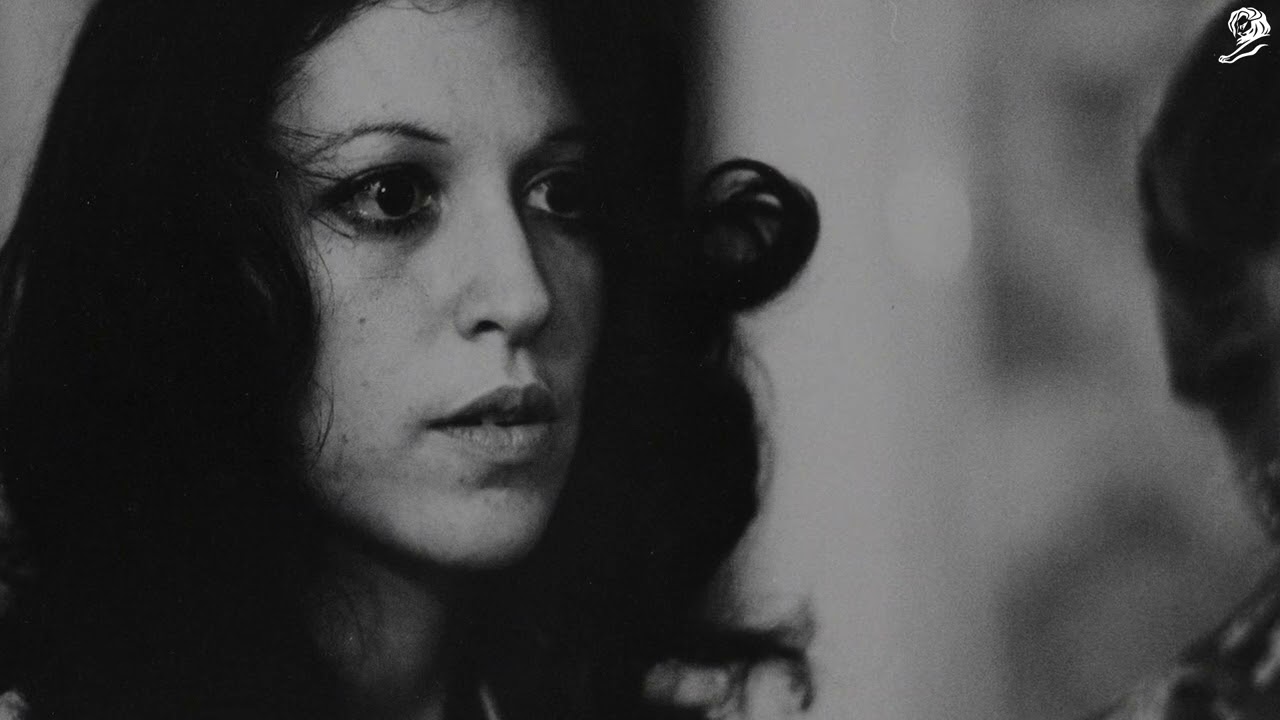
The industry is finally rediscovering that texture is a strategic moat. We see this in Absolut Vodka & TABASCO: Absolut Tabasco, which bypassed CGI to film "molten Bloody Marys" in Icelandic volcanic regions using miniatures and 35mm film. By choosing the hard way, these brands earned a level of attention that "perfect" digital imagery cannot command. This isn't just about craft; it's about reclaiming brand truth. Even L'Oréal: THE FINAL COPY OF ILON SPECHT succeeded by documenting the raw "feminist rage" of its creator rather than a sanitized corporate history.
Practical Effects Are the New Luxury
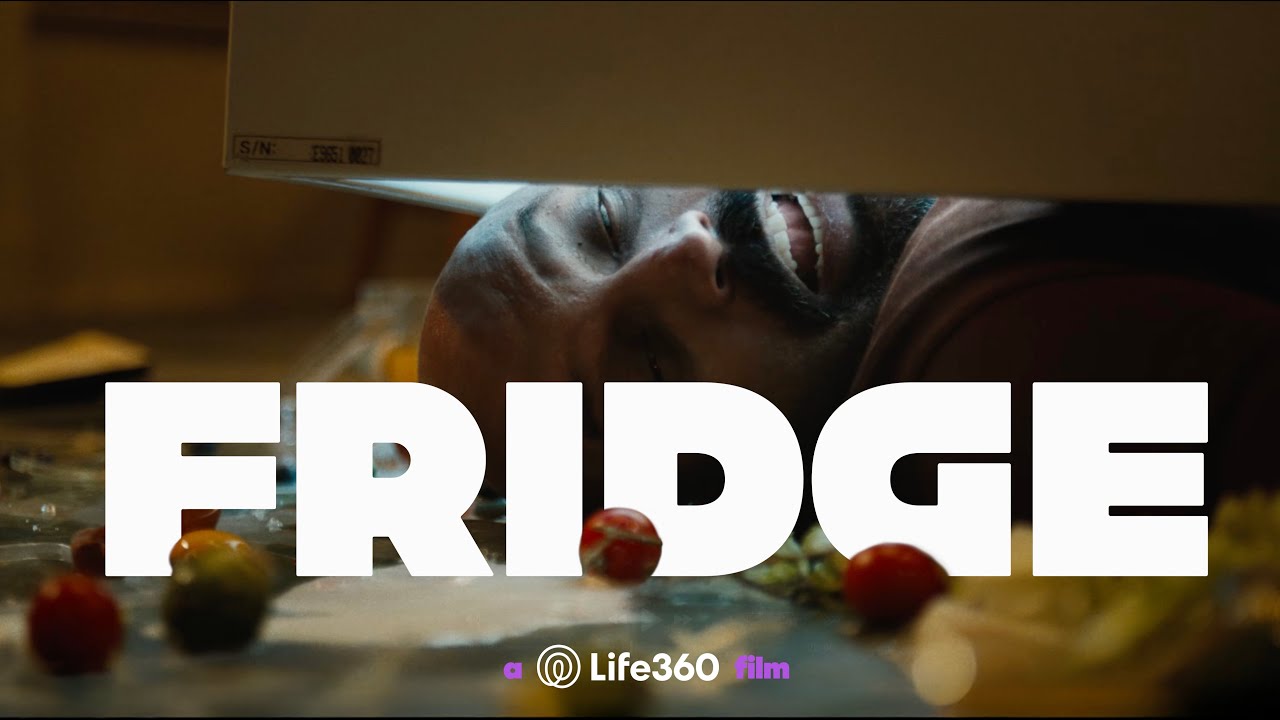
Beyond the visuals, the 2026 Pencil winners were content to be felt through visceral discomfort. Life360: When They're Ok, You're Ok pushed this so far that network censors flagged their "Fridge" spot as "too distressing" before it reached 127 million Super Bowl viewers. It is the "Anti-Safety" school of advertising - using a "bone-crunching" realism to transform common consumer anxiety into a high-stakes demonstration. This commitment to the uncomfortable is what separates iconic film from the sea of forgettable, pleasant content.
This playlist celebrates the work that refuses to take the easy path. Whether it's Coinbase: Your Way Out utilizing hand-painted, low-poly masks to mimic a PS2-era nightmare or journalists "shooting" back with camera flashes in Article 19 / La Unión: The Shooting, the through-line is a return to human-led creative craft. These films aren't just ads; they are physical proofs of life. They remind us that in a world of AI-generated sameness, the most disruptive thing you can be is undeniably, painfully real.
The lesson is simple: if your film is "seamless," you’ve already lost. Keep the seams.