Life360: When They're Ok, You're Ok
Life360 tasked Alto New York with evolving the brand from a utility tool into a culturally resonant lifestyle brand. They needed to reach modern parents who are overwhelmed by constant anxiety. The goal was to increase US subscriptions and brand sentiment by acknowledging the chaotic reality of parenting rather than using traditional, sentimental safety tropes.
Creative Idea
Parents in disastrous physical accidents find total serenity through a single child-safety app notification.
Life360 used dark, absurdist humor to show parents in catastrophic physical situations who remain perfectly calm because a notification confirms their child is safe, proving that parental peace of mind outweighs even personal disaster.
The Bone Crunching Reality of Modern Parenting
127 Million Super Bowl Viewers
The campaign's debut during Super Bowl LX and the Winter Olympics served as a massive growth engine, reaching over 127 million viewers in a single night. This high - stakes placement translated into immediate commercial success, with Life360 reporting a surge to 83.7 million monthly active users by April 2026. Beyond the broadcast, the "Fridge" spot triggered a viral phenomenon, generating 50 million organic views on TikTok and Instagram as users turned the "When they're okay, I'm okay" concept into a widespread meme format.
Satire Overcoming Network Censors
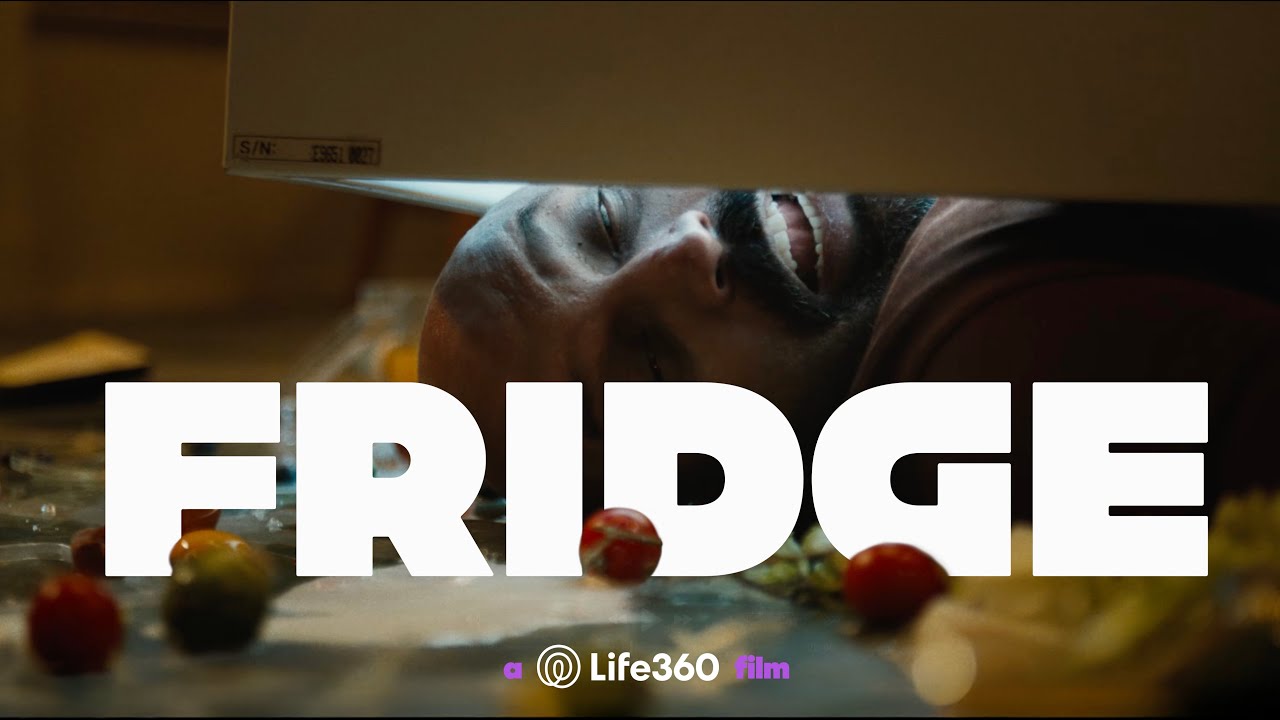 The production, led by director Steve Rogers and DP Nicolas Karakatsanis, pushed the boundaries of "Anti - Safety Advertising" so far that network censors initially flagged the "Fridge" ad as too distressing. To bypass these concerns, Alto New York leaned into the husband’s absurdly calm reaction to being crushed and electrocuted, ensuring the tone was clearly satirical. The physical stunt utilized a reinforced prop refrigerator and a professional coordinator to achieve a "bone - crunching" realism that contrasted sharply with the father's serenity.
The 37 Hour Worry Gap
The creative strategy was rooted in a startling insight: the average parent spends 37 hours a week worrying about their children. Creative Director Lawrence Melilli noted that the goal was to show that when a child is safe, literally nothing else matters - not even a catastrophic household accident. To maintain this psychological focus, the daughter mentioned in the spot is never shown on screen, a deliberate choice by the agency to keep the narrative centered on the parent's internal state of mind rather than the child's location.
Creative Strategy Deconstructed
Company
A real-time location sharing app providing instant, reliable reassurance to anxious parents through simple mobile notifications.
Category
Safety apps usually rely on fear-mongering, sentimental tropes, or dry technical feature lists to sell security.
Customer
Modern parents who live in a state of constant, unhinged worry about their children's whereabouts and safety.
Culture
A shift toward anti-safety advertising that uses dark humor to acknowledge the messy, chaotic reality of parenting.
Company
A real-time location sharing app providing instant, reliable reassurance to anxious parents through simple mobile notifications.
Category
Safety apps usually rely on fear-mongering, sentimental tropes, or dry technical feature lists to sell security.
Strategy:
Elevate a functional notification to a psychological shield that renders all other external chaos completely irrelevant.
Customer
Modern parents who live in a state of constant, unhinged worry about their children's whereabouts and safety.
Culture
A shift toward anti-safety advertising that uses dark humor to acknowledge the messy, chaotic reality of parenting.
Strategy:
Elevate a functional notification to a psychological shield that renders all other external chaos completely irrelevant.
Strategy Technique
Exaggerate to Reveal the Truth
By depicting a literal life-threatening accident as a minor inconvenience compared to a child's safety, the campaign exposes the irrational, selfless intensity of parental worry in a memorable way.
Explore Technique
Creative Technique
Lean Into the Problem
It takes the constant, low-grade panic of modern parenting and pushes it to a satirical extreme. By showing parents ignoring their own physical catastrophe, it highlights how all-consuming child-related anxiety truly is.
Explore Technique
Craft Breakdown
The ad's brilliance lies in its subversion of the 'safety' genre, using extreme physical slapstick to highlight the psychological relief of the product.
The deadpan dialogue perfectly captures the tunnel-vision of parental anxiety, making the absurdity believable.
The destruction of the kitchen is visceral and heavy, providing the necessary 'weight' to make the comedy land.
“The synergy between the high-stakes thriller cinematography and the mundane domestic dialogue creates the comedic friction that makes the ad memorable.”