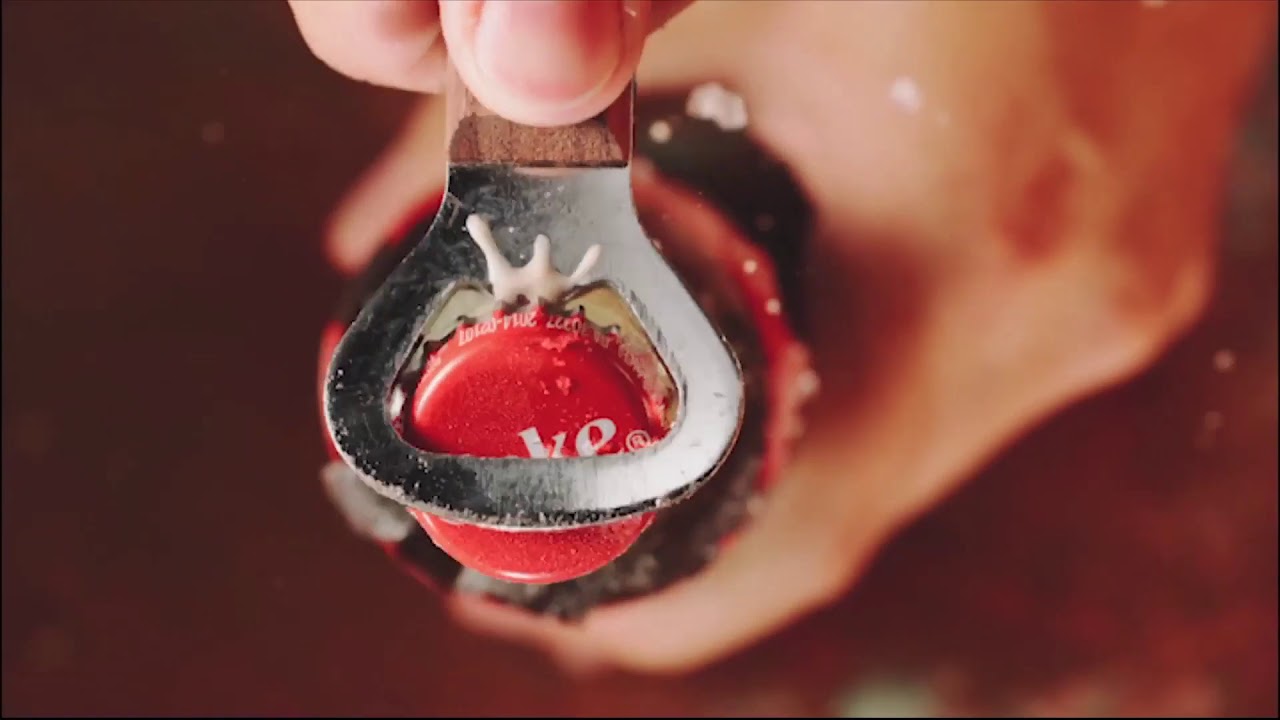
Most brands treat sound like wallpaper - something to fill the silence while the eyes do the heavy lifting. This collection flips the script, proving that the most vivid images are rendered inside the listener's skull. Stripping away visual literalism forces the brain to complete the sensory circuit. Coca-Cola: Try Not To Hear This generated "85 million impressions" by asking people to stay quiet, relying on the "pop" in our nervous system.
The Ear Is a Shortcut to the Gut
While average ads use audio to explain what we see, iconic work uses it to change how we feel. In Specsavers: The Misheard Version, the agency "meticulously sourced common eggcorns" to turn a Rick Astley classic into a mass hearing test. This is a commitment to a sensory trick most clients would find too risky. While brands fear being misunderstood, here "mishearing" normalized hearing loss stigma by 6%.
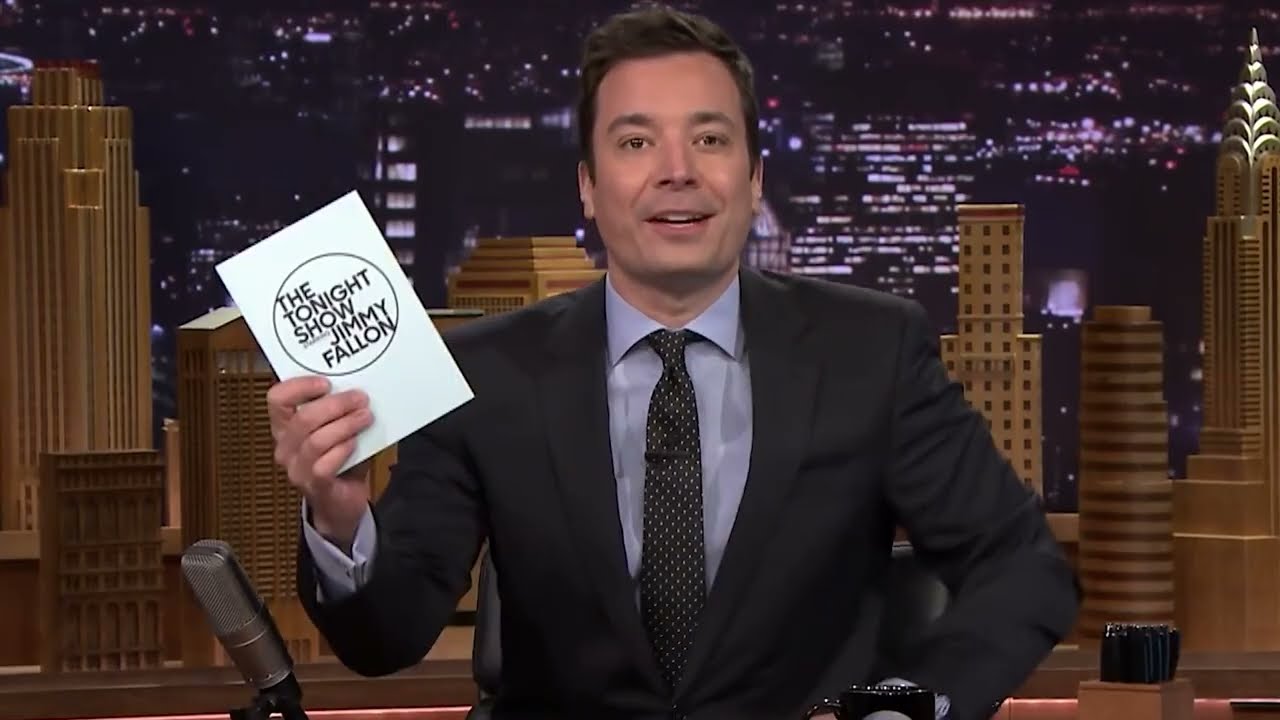
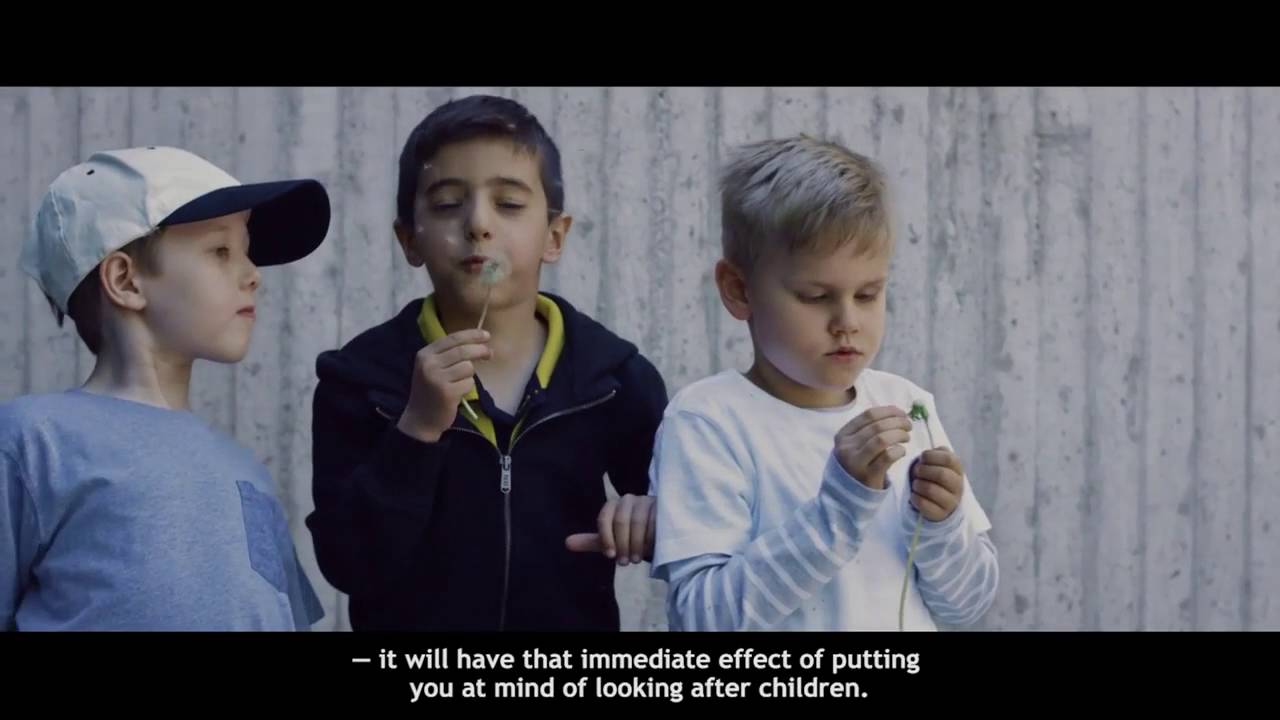
Great sonic strategy functions as a "branded utility" rather than a traditional pitch. Consider Apple: AirPods Pro 2 Hearing Aid Feature, where sound designers used "frequency manipulation to simulate moderate hearing loss," forcing the audience into a visceral, muffled reality. It bridges the "staggering ten-year gap" people wait before seeking help. Similarly, If Insurance: Slow Down GPS replaced robotic directions with real children’s voices to trigger a driver’s innate protective instincts. These campaigns hijack a biological response instead of asking for attention. They prove that sound isn't just a layer of "craft" - it is the architecture of the idea itself.
Sometimes, audio is the only way to resurrect what is lost. Blu Radio: The Game That Never Was used "800 audio fragments" to reconstruct a tragedy into a moment of closure. It’s the sonic equivalent of the "comedic anarchy" in Little Caesar's: Introducing Delivery or the rhythmic countdown of SickKids: The Count. These spots understand that while the eyes can be cynical, the ears are always vulnerable. From the gibberish of Tide to Go: Talking Stain. to the silence of a soda, the goal is making the invisible impossible to ignore.
Sound-first thinking isn't about volume; it's about the psychological resonance that remains after the screen goes black. If you can make someone "hear" a silent photo, you've moved past advertising and into the realm of neurological influence.