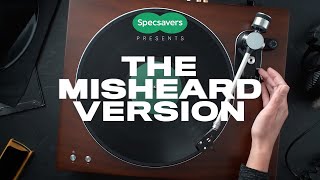
Specsavers: The Misheard Version
Specsavers challenged Golin London to increase hearing test bookings and normalize audiology services among a broader UK audience. The brand needed to overcome the "old age" stigma associated with hearing aids and make hearing health a trending topic of conversation without relying on traditional, clinical advertising methods or heavy paid media spend.
Creative Idea
Rick Astley re-recorded his biggest hit with wrong lyrics to trigger a mass hearing test.
Specsavers hijacked pop culture by having Rick Astley re-record his iconic hit with "misheard" lyrics, turning a viral Rick-roll into a massive, organic hearing test that destigmatized hearing loss through humor and nostalgia.
The Rickroll That Triggered a Mass Hearing Test
Desert Spoons and Nits
The production team at Eight Engines captured the entire video campaign in a single day at a recording studio. The "misheard" lyrics were not random; they were meticulously sourced from common "eggcorns" and online discussions about misheard phrases. Fans were treated to absurd lines like "Never gonna run around with desert spoons" and "You wouldn't catch nits from any other guy." To maintain the illusion of a genuine re-recording, the campaign launched with zero paid media budget for the first eight hours, relying entirely on the organic confusion of Rick Astley’s followers.
Breaking the Stigma
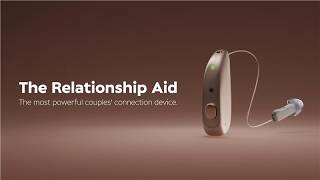
The reveal was more than a joke; it was a medical disclosure. Alongside the video, Rick Astley announced he had recently been fitted with his first pair of hearing aids - one receiver-in-canal and one invisible-in-canal model. This transparency, supported by expert commentary from Dr. Michael Mosley, led to a 6% increase in the normalization of hearing loss stigma. The campaign effectively shifted the conversation from "old and scary" to "common and funny," resulting in a 1,220% increase in hearing test bookings above the initial target.
A New Industry Benchmark
The project marked a significant shift in the advertising landscape as Golin became the first PR agency to win a Cannes Grand Prix as the sole creative lead. Beyond the digital buzz, the campaign dominated the physical world, with coverage in 95% of the UK’s major news titles. The follow-up phase, "The Misheard Manifesto," featured Gyles Brandreth and Rob Brydon to further explore linguistic errors like "damp squid" and "escape goat," cementing the "mass hearing test" as a cultural phenomenon.
Creative Strategy Deconstructed
Company
Specsavers' authority in audiology and a long-standing reputation for using humor to address sensory health issues.
Category
Healthcare marketing often uses clinical imagery or fear-based messaging, making hearing loss feel like an isolating "old person" problem.
Customer
People often ignore gradual hearing loss because they find the topic embarrassing, boring, or a sign of aging they'd rather ignore.
Culture
The "Rick-roll" is a universal internet prank that relies on recognizing a specific, nostalgic audio cue to work.
Company
Specsavers' authority in audiology and a long-standing reputation for using humor to address sensory health issues.
Category
Healthcare marketing often uses clinical imagery or fear-based messaging, making hearing loss feel like an isolating "old person" problem.
Strategy:
Hijack a nostalgic cultural trigger to transform a stigmatized medical checkup into a playful, participatory social experiment.
Customer
People often ignore gradual hearing loss because they find the topic embarrassing, boring, or a sign of aging they'd rather ignore.
Culture
The "Rick-roll" is a universal internet prank that relies on recognizing a specific, nostalgic audio cue to work.
Strategy:
Hijack a nostalgic cultural trigger to transform a stigmatized medical checkup into a playful, participatory social experiment.
Results
The campaign achieved a total reach of over 100 million, including 28.2 million organic social reach. It generated 20 million organic plays within the first 8 hours of launch and 4 million total interactions. Search interest spiked with a 138% increase in Google searches for 'hearing loss,' making hearing aids the #1 trending topic online in the UK. Business outcomes were significant, featuring a 1,220% increase in hearing test bookings above the initial target, a 66% year-on-year increase in bookings during launch week, and a 16% year-on-year increase in sales of hearing aids and care products. The campaign earned coverage in 95% of the UK’s major news titles and resulted in a 6% increase in the normalization of hearing loss stigma. It won two Grand Prix awards at Cannes Lions 2024 (PR and Audio & Radio), marking the first time a PR agency won a Grand Prix as the sole creative lead.
1,220%
increase in hearing test bookings vs target
20M
organic plays in the first 8 hours
138%
increase in Google searches for 'hearing loss'
Strategy Technique
Borrow Equity
Specsavers leveraged the massive cultural equity of Rick Astley and the "Rick-roll" meme to bypass medical stigma, making a clinical topic feel like a fun, shared social moment.
Explore Technique
Creative Technique
Unexpected audio
By subverting a globally recognized song with incorrect lyrics, the campaign forced listeners to question their own hearing, transforming a passive musical experience into an active, self-diagnostic tool.
Explore Technique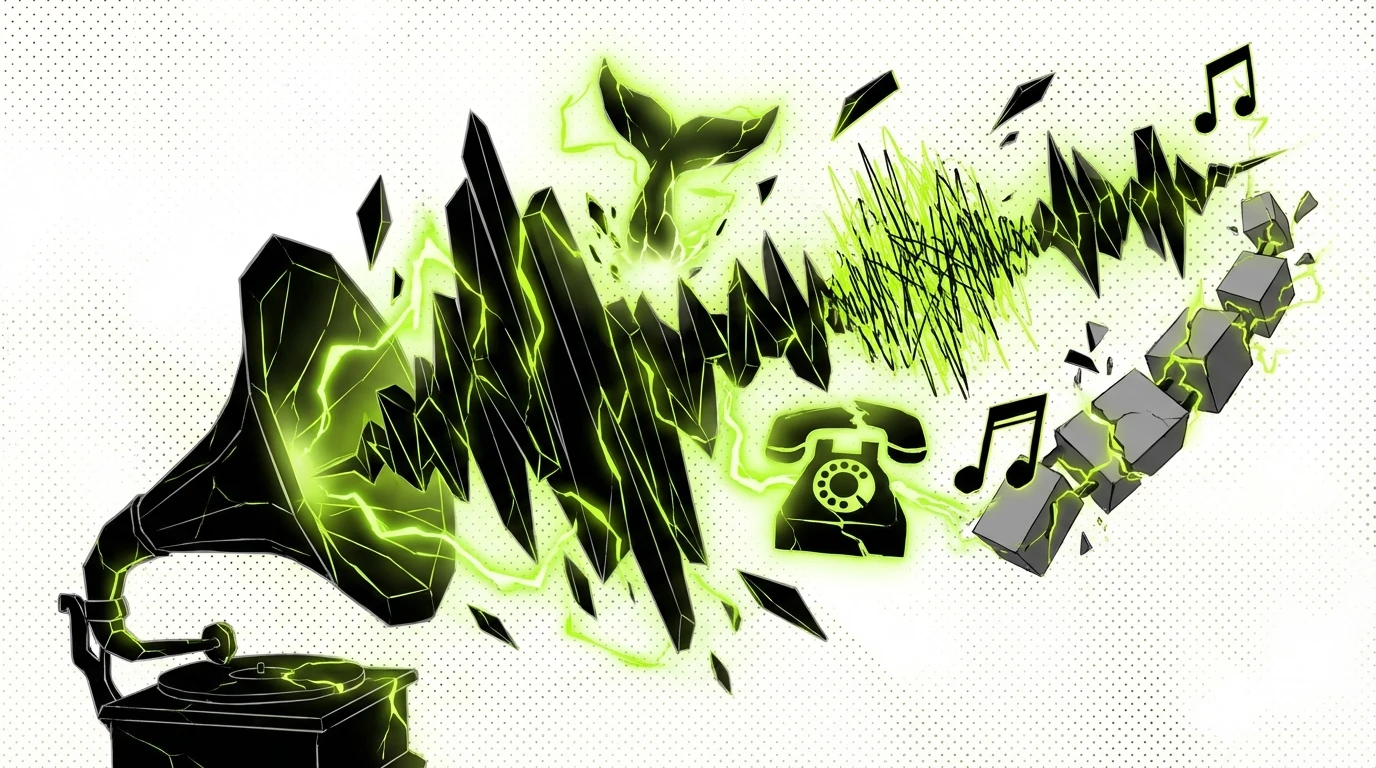
Craft Breakdown
The campaign masterfully weaponized the 'Rick-roll' meme by re-recording a global hit with phonetically similar 'eggcorns' to create a functional, organic hearing test.
The 'tease-and-reveal' strategy leveraged earned media and organic social confusion to bypass traditional advertising skepticism.
Meticulous re-recording of 'Never Gonna Give You Up' with 'misheard' lyrics ensured the joke was both musically accurate and medically relevant.
The zero-budget organic launch phase successfully hijacked the cultural zeitgeist before transitioning into a multi-channel educational campaign.
The selection of 'eggcorns' like 'desert spoons' and 'catch nits' was perfectly calibrated for humor while highlighting the reality of hearing degradation.
“The magic lies in the intersection of nostalgia-driven music and PR-led distribution, turning a potential medical stigma into a participatory cultural moment.”