Specsavers - The Misheard Version
Specsavers wanted an audiology awareness campaign to encourage free hearing tests. The challenge was making hearing loss relatable and entertaining for the general public, prompting them to consider their own hearing. Golin needed to create something disruptive that would generate buzz and drive bookings, using a memorable way to illustrate how easily words can be misheard. The goal was increased engagement and test appointments.
Creative Idea
Rick Astley sang intentionally misheard lyrics in a radio ad to demonstrate hearing loss.
Specsavers created a radio ad where Rick Astley intentionally sings misheard lyrics to his famous song "Never Gonna Give You Up" to highlight how hearing loss can cause people to misunderstand words. The campaign aims to encourage people to get free hearing tests by making the concept of mishearing lyrics both entertaining and relatable.
The Rickroll That Triggered a National Hearing Test
Dessert Spoons and Social Sabotage
To execute the ultimate "Rick-roll," the team at Golin London and Eight Engines filmed all video assets - including the music video and social teasers - in a single day. The strategy relied on a 24-hour window of pure confusion. Rick Astley posted a "behind the scenes" clip to TikTok without any branding, sparking a viral debate over whether he had forgotten his own lyrics. The "glitch" then moved to commercial radio, where the track played in normal rotation until listeners heard absurd lines like "Never gonna run around with dessert spoons" or "Your aunt's been naked." Actor Rob Brydon provided the voiceover for the eventual reveal, asking the nation if the song sounded right.
A Record Breaking Earworm
 The campaign operated without a paid media budget during its launch, yet it reached 100 million people and secured coverage in 95% of major UK news outlets. The business impact was immediate: a 1,220% increase in hearing test bookings and a 16% year-on-year rise in hearing aid sales. Beyond the numbers, the project carried deep personal authenticity; Rick Astley revealed he suffers from hearing loss due to years of drumming and now wears Specsavers hearing aids.
Rewriting the PR Playbook
This campaign marked a structural shift in the industry, as Golin became the first PR agency to win a Grand Prix as the sole creative lead. Jury President Simon Vicars described the execution as "recklessly ambitious," noting how it transformed a viral meme into a massive public health screening. By leveraging the internet's most common misheard lyrics, the team turned a medical check-up into the #1 trending topic in the UK.
Creative Strategy Deconstructed
Company
Specsavers leverages its reputation for 'Should've' humor and professional audiology services to address hearing health without being clinical. They provide accessible, free hearing tests that lower the barrier to entry for concerned consumers.
Category
The category typically relies on medicalized, somber advertising that highlights the disability of hearing loss. This often creates a stigma, causing potential customers to ignore symptoms to avoid feeling 'old' or impaired.
Customer
People often laugh off mishearing lyrics as a common quirk rather than a medical symptom. There is a deep-seated denial about hearing decline, where individuals prefer to blame external factors rather than their own health.
Culture
The campaign taps into the 'Rickrolling' phenomenon and the universal humor of 'mondegreens' (misheard lyrics). Rick Astley’s status as a self-aware internet icon makes the message feel like entertainment rather than a lecture.
Company
Specsavers leverages its reputation for 'Should've' humor and professional audiology services to address hearing health without being clinical. They provide accessible, free hearing tests that lower the barrier to entry for concerned consumers.
Category
The category typically relies on medicalized, somber advertising that highlights the disability of hearing loss. This often creates a stigma, causing potential customers to ignore symptoms to avoid feeling 'old' or impaired.
Strategy:
Weaponize pop culture nostalgia to transform the denial of hearing loss into a playful, relatable moment of self-realization.
Customer
People often laugh off mishearing lyrics as a common quirk rather than a medical symptom. There is a deep-seated denial about hearing decline, where individuals prefer to blame external factors rather than their own health.
Culture
The campaign taps into the 'Rickrolling' phenomenon and the universal humor of 'mondegreens' (misheard lyrics). Rick Astley’s status as a self-aware internet icon makes the message feel like entertainment rather than a lecture.
Strategy:
Weaponize pop culture nostalgia to transform the denial of hearing loss into a playful, relatable moment of self-realization.
Results
The Misheard Version was played over 20 million times in the first 8 hours. It drove a 138% increase in hearing loss searches. It made 'Hearing aid' the country's number one trending topic on Google. This led to Specsavers hearing test bookings increasing a record 1,220% above target. All this was achieved without a single pound of media investment, meaning £0 (zero pounds) of media investments were made.
20M
views in first 8 hours
+138%
increase in hearing loss searches
+1220%
increase in hearing test bookings
Strategy Technique
Exaggerate to Reveal the Truth
The campaign exaggerates the common experience of mishearing lyrics to reveal the truth about hearing loss. This makes the often-ignored problem undeniable and prompts self-reflection in an entertaining way.
Explore Technique
Creative Technique
Dramatize the Problem
The campaign dramatically illustrates the common problem of mishearing words due to hearing loss. Using Rick Astley's intentionally altered lyrics makes the issue relatable and memorable for the audience.
Explore Technique
Craft Breakdown
This campaign's craft is exceptional in its brilliant conceptualization and seamless integration of cultural relevance with a vital health message. It transforms a serious topic into a viral, engaging experience through a clever twist on a beloved pop culture icon.
The core genius lies in the copywriting – reimagining the iconic 'Never Gonna Give You Up' lyrics with common mishearings, making the act of listening itself a subtle hearing test.
The bold decision to re-record a classic song with altered lyrics, featuring the original artist, is a masterful use of music to create a unique and memorable brand experience.
The campaign expertly leverages digital platforms like TikTok, Twitter, and YouTube, simulating user interactions and trends to amplify its message and achieve viral organic reach.
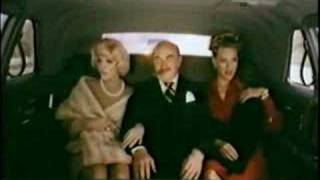
The visual storytelling beautifully blends nostalgic music video clips, modern social media aesthetics, and clear data visualization, creating a compelling and visually coherent narrative for the case study.
“The campaign's success is a testament to the powerful synergy between innovative copywriting, iconic music, and astute digital execution, all united to tackle a sensitive health issue with widespread appeal and impact.”