Comedy is the ultimate cognitive bypass. While most advertising bangs on the front door of the consumer's brain with "benefits" and "reasons to believe," a truly funny ad enters through the service entrance while the guards are busy laughing. It is not a "soft" creative option - it is a high-stakes technical discipline that requires more precision than a luxury car spot and more bravery than a manifesto film. The campaigns in this collection succeed because they understand that a joke is only as good as its commitment to the bit. They don't just tell a joke; they build a world where the joke is the only logical conclusion.
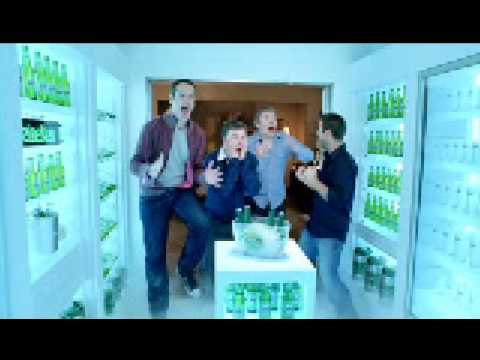
What unites these icons is the "rug-pull" - the art of setting up a familiar narrative only to violently subvert it. In Heineken: Walk-in Fridge, the brand utilized a "self-aware, cinematic wink" to contrast gendered desires, ensuring the men’s screams matched the "exact pitch and intensity" of the women’s. This isn't just slapstick; it's a meticulously engineered contrast. Most brands fail here because they pull their punches, afraid that being too absurd might undermine their "premium" status. The greats do the opposite - they treat the absurd with total, deadpan reverence. They don't wink at the camera; they stare it down.
The High Cost of a Cheap Laugh
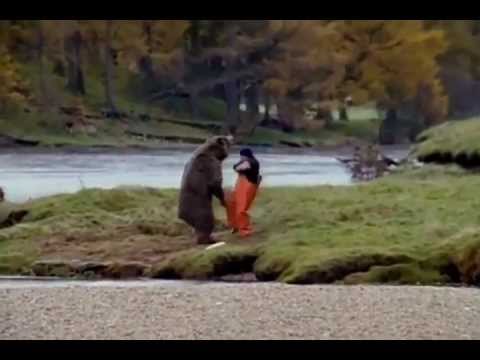
There is a persistent myth that comedy is "cheap" production. In reality, the most enduring funny ads are those that invest in cinematic scale. Consider John West Salmon: Bear. To make a man fighting a grizzly feel visceral rather than cartoonish, the production utilized a "7-foot-tall suit created by Jim Henson’s Creature Shop." That level of craft is what separates a viral moment from a cultural landmark. It’s the difference between a YouTube prank and a piece of film that stays in the collective memory for decades.
When you commit to the production value of a joke, you tell the audience that the brand is confident enough to play the fool on a grand stage. Carlton Draught: Big Ad took this to the extreme, parodying epic battle films by enlisting the cinematographer from The Lord of the Rings and utilizing "MASSIVE software" for its digital crowd simulations. Similarly, EDS: Cat Herders spent "$8 million in production and airtime" to turn a dry IT metaphor into a Super Bowl masterpiece. This willingness to spend "blockbuster" money on a "silly" idea is a strategic power move. It signals market dominance through creative bravado. Most modern brands settle for "relatable" social media posts, but these campaigns prove that "Big Comedy" requires the same level of investment as a high-octane action quest, such as Michael J. Fox’s frantic dash in Diet Pepsi: Apartment 10G.
Casting the Uncomfortable Truth
The best comedy often sits right on the edge of "too much." It taps into anxieties that other ads try to polish away. Old Spice: MomSong succeeded not by being "nice," but by leaning into the "musical nightmare of helicopter parenting." The production avoided CGI, opting for "practical effects" where mothers physically emerged from beach sand or clung to moving car bumpers. It was creepy, it was surreal, and it was unforgettable. It took a truth about growing up and exaggerated it until it became a weapon for the brand.
This "unhinged" energy is exactly what makes Duolingo: Chaotic Owl on TikTok a modern masterclass. By turning a mascot into a "meme-savvy TikTok personality" that threatens users into practicing their Spanish, Duolingo bypassed traditional educational messaging entirely. It’s a strategy of total vulnerability - the brand becomes a character that the audience can laugh at, which paradoxically makes them want to buy from it. Even when the results are messy - like the Solo Stove - Snoop Goes Smokeless campaign, which generated "19.5 billion global news impressions" but led to a CEO exit - the sheer cultural gravity created by a well-executed "bait-and-switch" is undeniable. These ads don't just fill a media slot; they hijack the news cycle by being more interesting than the content they interrupt.
The final evolution of this theme is the "anti-ad" - the campaign that looks like a mistake or a public service announcement until the punchline lands. Specsavers: The Misheard Version is the perfect example. By having Rick Astley re-record his biggest hit with "meticulously sourced" wrong lyrics, the brand didn't just tell people to get a hearing test; it gave them one. It was a "Rickroll" that functioned as a product demo, launched with "zero paid media budget" for the first eight hours to allow the organic confusion to build. It’s brilliant because it respects the audience's intelligence enough to let them figure out the joke for themselves.
Ultimately, this collection proves that humor is the most effective way to solve a business problem because it is the only form of advertising that people actually want to share. Whether it’s a man fighting a bear for a tin of salmon or a 78-year-old actor playing a college freshman to get a discount, these campaigns work because they prioritize entertainment over "the message." They understand a fundamental truth of creative strategy: if you can make someone snort-laugh, you’ve already won the war for their attention. In a world of skip buttons and ad-blockers, being funny isn't just a creative choice - it's a survival mechanism. These 27 campaigns didn't just sell products; they became the culture they were trying to reach.