Cigna: TV Doctors of America
Cigna challenged McCann New York to increase annual check-ups among Americans, aiming to prevent 100,000 deaths annually. The insurance category suffered from low trust and engagement. They needed a national campaign to shift the focus from reactive sick-care to proactive preventive care, targeting a broad audience that often ignores health warnings until they feel unwell.
Creative Idea
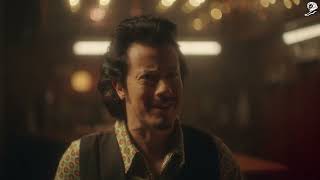
Famous TV doctors admitted they were fakes to encourage people to see real ones.
Cigna recruited iconic TV doctors to humorously admit their medical incompetence, leveraging their massive cultural authority to persuade viewers that real-life preventive check-ups are the only way to actually save lives.
The Fictional Physicians Saving Real Lives
A 267 Percent Sentiment Surge
The campaign transformed Cigna's brand perception, driving positive sentiment to 55% - a staggering 267% increase for a brand in an industry that typically averages just 8%. Beyond the buzz, the initiative delivered tangible health outcomes, resulting in an 18% increase in annual check-ups over a two - year period. On social media, the strategy was equally dominant; during the Emmy Awards, a dedicated "war room" allowed the team to capture 25% of all brand mentions during the broadcast.
Oscar Winning Direction and Heroic Poses
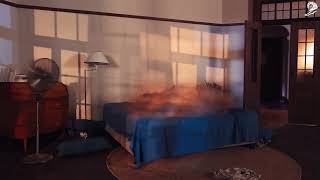
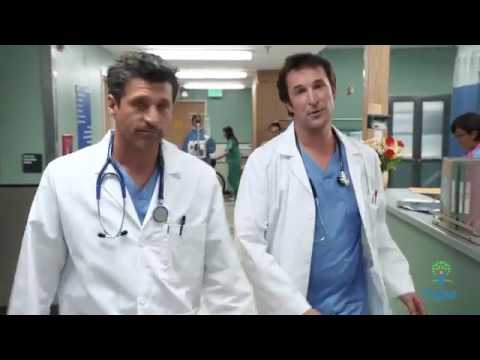 To capture the cinematic feel of a high - stakes medical drama, McCann enlisted Grant Heslov, the Oscar - winning producer of *Argo*, to direct the spots. A recurring production element was the "Doctor Pose," where actors like Patrick Dempsey and Alan Alda utilized wind machines and dramatic lighting to parody medical tropes. The script leaned heavily into these cliches, featuring the actors shouting "Stat!" while simultaneously admitting, "I have no idea what I'm doing."
Real Doctors and Digital Pagers
The campaign's massive $9 million scale eventually drew a parody response from the American College of Emergency Physicians, who released a "Real Doctors of America" video criticizing the use of actors. Undeterred, Cigna expanded the universe with a "Page a TV Doctor" feature (1 - 833 - PAGE - DOC), allowing users to receive check - up reminders from the cast. In later phases, the agency utilized Instagram Stories to "diagnose" followers with fictional ailments like "dramatic lighting deficiency," further bridging the gap between nostalgia and proactive health.
Creative Strategy Deconstructed
Company
Cigna had the resources to partner with a cross-generational ensemble of iconic television medical actors.
Category
Healthcare advertising typically relies on dry plan benefits or fear-based messaging about illness and death.
Customer
People avoid preventive check-ups because they feel healthy or find the medical system intimidating and boring.
Culture
Viewers have deep, nostalgic trust in fictional doctors who have "saved" lives on screen for decades.
Company
Cigna had the resources to partner with a cross-generational ensemble of iconic television medical actors.
Category
Healthcare advertising typically relies on dry plan benefits or fear-based messaging about illness and death.
Strategy:
Leverage fictional authority to bridge the trust gap between insurance providers and preventive health behaviors.
Customer
People avoid preventive check-ups because they feel healthy or find the medical system intimidating and boring.
Culture
Viewers have deep, nostalgic trust in fictional doctors who have "saved" lives on screen for decades.
Strategy:
Leverage fictional authority to bridge the trust gap between insurance providers and preventive health behaviors.
Strategy Technique
Borrow Equity
By using actors with decades of "medical" authority, Cigna bypassed the distrust of insurance companies and tapped into the audience's existing emotional connection with these characters.
Explore Technique
Creative Technique
Use Another Category's cliché
It parodies the high-stakes tropes of medical dramas to grab attention, then subverts expectations by having the "doctors" break character to deliver a serious health message.
Explore Technique
Craft Breakdown
This campaign excels through its clever use of pop-culture nostalgia and meta-humor to deliver a serious health message. The casting of iconic TV doctors creates instant recognition and trust while subverting expectations.
The ensemble of famous medical actors perfectly balances their established 'doctor' personas with comedic timing.
The script effectively uses fourth-wall-breaking humor to pivot from a parody into a clear, actionable health message.
“The synergy between the high-production medical sets and the actors' self-deprecating performances makes the 'TV Doctor' conceit feel both authentic and hilarious.”