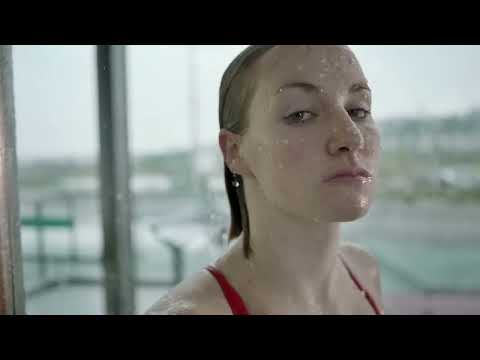
For decades, disability in advertising was a genre defined by the "sad piano" aesthetic - a manipulative cocktail of soft focus and minor chords designed to make able-bodied viewers feel like better people for watching. It was charity porn masquerading as empathy. This collection represents the moment the industry finally grew up and realized that people with disabilities don't want your pity; they want your engineering, your high-octane production budgets, and your seat at the table. When Channel 4: Meet the Superhumans launched, it didn't just "raise awareness" - it executed a "tactical strike" via a 78-channel media roadblock that reached half the UK population in ninety seconds. It replaced the narrative of "despite" with the narrative of "because."
Utility is the Ultimate Virtue Signal
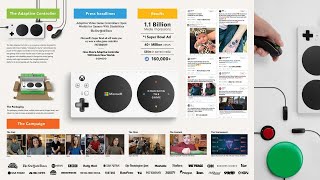
The most potent work in this category abandons the 30-second spot entirely in favor of building something that actually works. We see a shift from "designing for" to "designing with," where the brand stops talking and starts solving. Microsoft: Changing the Game didn't win a Super Bowl because it was sweet; it won because it showcased a grassroots hackathon project that became a global hardware standard. This is inclusive design as a competitive advantage, not a CSR footnote. Similarly, IKEA: Thisables bypassed the usual five-year corporate product cycle by launching 3D-printable "hacks" that made existing furniture accessible. These campaigns stand out because they are useful. They are "utilities, not ads," proving that the best way to show a brand’s values is to make them open-source.
Beyond physical tools, there is the work of linguistic and structural re-engineering. It is about changing the "metadata" of how society indexes disability. Made By Dyslexia: Dyslexic Thinking didn't just ask for a nicer dictionary definition; it integrated directly into the infrastructure of LinkedIn, convincing over 10,000 professionals to rebrand a perceived deficit as a selectable skill within a single week. It’s the same logic applied to Adidas - Runner 321, which turned a medical signature - Trisomy 21 - into a permanent fixture of marathon registration software. These aren't just ads; they are system updates. They succeed because they focus on the "logistical shift" rather than the emotional one, ensuring the impact outlasts the media buy and effectively placing brand branding inside races sponsored by direct rivals.
Directors Who Refuse to Tiptoe
The craft here is intentionally jarring. Iconic work in this space requires directors who refuse to "tiptoe" around the reality of the human body. Whether it’s Channel 4: We're the Superhumans using a "crap-o-matic" guide to perfect the rhythm of a 140-person band, or Scope: See the Person using a "darkened studio" to strip away visual bias, the goal is always the same: to make the viewer look closer. In Pantene: Deaf Violinist, the director spent nearly six months filming a four-minute epic that broke every rule of the 30-second standard, refusing to even show the product until the final frames. This level of creative risk is what separates a viral moment from a cultural landmark that actually moves the needle on perception.
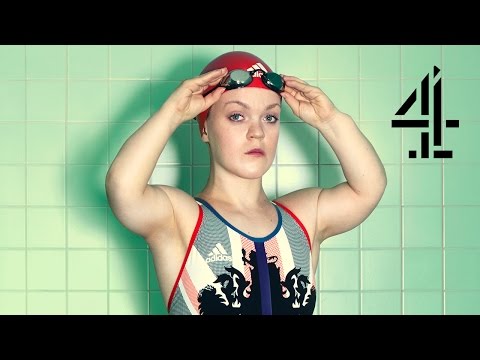
This collection is a masterclass in "exposing the hidden" and "reframing the problem." It moves from the visceral, high-stakes action of the Paralympics to the quiet, technical brilliance of Chicago Hearing Society: Caption With Intention, which spent six years reimagining static text as a "dynamic typographic system" to help the deaf experience the magic of cinema. These campaigns prove that inclusion isn't a niche category for "good" brands - it’s a crucible for the best creative strategy. When you design for the edge cases, you end up making things that are better for everyone. The magic isn't in the sentiment; it's in the realization that "perfection" is a boring, retail-grade lie, while adaptation is the ultimate human feat. Stop making ads that ask for a pat on the back for being inclusive. Start making tools and stories that make exclusion impossible.