Channel 4: We're the Superhumans
Channel 4 wanted a campaign for the Rio 2016 Paralympic Games. The brand needed to challenge prevailing prejudices about disability, shifting public perception from pity to admiration. The challenge was to portray Paralympic athletes as powerful, talented, and inspirational individuals, not victims, to drive viewership and engagement with the Games.
Creative Idea
Channel 4 showcased Paralympic athletes as "Superhumans" to redefine disability as extraordinary capability, not limitation.
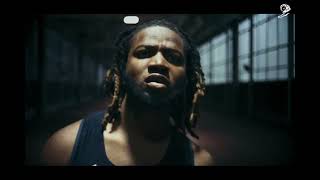
Channel 4 created a powerful marketing campaign called "We're the Superhumans" to challenge perceptions of disability by showcasing Paralympic athletes as extraordinary, capable individuals. The campaign aimed to overturn prejudice by presenting disabled athletes not as victims, but as talented, powerful, and inspirational performers who can achieve incredible feats.
The 140 Person Band That Redefined Disability
From YouTube Discovery to Abbey Road
The campaign’s heart is its soundtrack, a cover of Sammy Davis Jr.’s "Yes I Can" recorded at the legendary Abbey Road Studios. Director Dougal Wilson and the team at 4Creative discovered lead singer Tony Dee on YouTube after his wife posted a video of him singing Frank Sinatra. To ensure the film’s rhythm was perfect before a single frame was shot, Wilson created a "crap-o-matic" - a rough-cut guide using existing YouTube clips and Photoshop to map out the ambitious pacing.
Twelve Days of Superhuman Feats
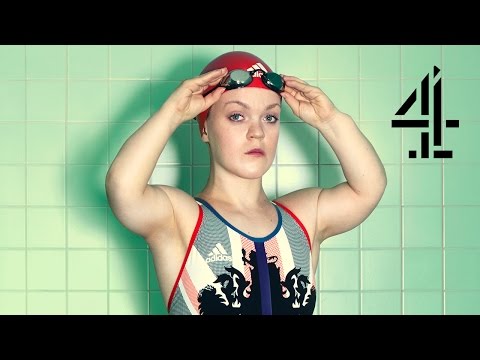 Despite its scale, the film was captured in just 12 main shoot days across Britain. The production featured a world-record cast of over 140 people with disabilities, including 39 British Paralympians like Ellie Simmonds and Hannah Cockroft. It also showcased extraordinary non-athletes, such as Alvin Law, who plays the drums with his feet, and Jessica Cox, the first armless person to earn a pilot’s certificate. To create the atmosphere of a packed Paralympic Games, MPC used 3D post-production to build digital crowds, as the stadiums were empty during filming.
Shifting the National Conversation
The impact extended far beyond sports viewership. Research following the campaign revealed that 74% of viewers felt more comfortable discussing disability, while 59% reported an improved perception of disabled people. The ad became the most shared Olympics or Paralympics-themed campaign in history, amassing over 1.3 million shares. Its cultural footprint was so significant that the AQA exam board officially added the film to the UK’s GCSE and A-level Media Studies curriculum as a primary case study.
Creative Strategy Deconstructed
Company
Channel 4 leveraged its reputation as an edgy, alternative broadcaster with a public service mandate to champion diversity. They committed high-end production values and a bold tone to treat the Paralympics as a major, high-octane entertainment spectacle.
Category
Paralympic coverage often relied on 'inspiration porn' or narratives of pity, treating athletes as people 'overcoming' tragedy rather than elite competitors. The category lacked the swagger and intensity found in mainstream Olympic or professional sports marketing.
Customer
Viewers often felt a sense of awkwardness or 'polite sympathy' toward disabled sports, which prevented deep fan engagement. They needed a reason to watch that was based on genuine athletic awe rather than a sense of moral obligation.
Culture
The mid-2010s saw a surge in superhero pop culture and a shift toward 'empowerment' marketing. There was an emerging cultural appetite to dismantle traditional stigmas by replacing them with narratives of extraordinary, almost mythic, capability.
Company
Channel 4 leveraged its reputation as an edgy, alternative broadcaster with a public service mandate to champion diversity. They committed high-end production values and a bold tone to treat the Paralympics as a major, high-octane entertainment spectacle.
Category
Paralympic coverage often relied on 'inspiration porn' or narratives of pity, treating athletes as people 'overcoming' tragedy rather than elite competitors. The category lacked the swagger and intensity found in mainstream Olympic or professional sports marketing.
Strategy:
Reframe disability as extraordinary athletic power to transform passive pity into active, mainstream awe for Paralympic competition.
Customer
Viewers often felt a sense of awkwardness or 'polite sympathy' toward disabled sports, which prevented deep fan engagement. They needed a reason to watch that was based on genuine athletic awe rather than a sense of moral obligation.
Culture
The mid-2010s saw a surge in superhero pop culture and a shift toward 'empowerment' marketing. There was an emerging cultural appetite to dismantle traditional stigmas by replacing them with narratives of extraordinary, almost mythic, capability.
Strategy:
Reframe disability as extraordinary athletic power to transform passive pity into active, mainstream awe for Paralympic competition.
Strategy Technique
Reframe the Problem
The campaign strategically reframed public perception of disability. It shifted the narrative from pity and victimhood to admiration and superhuman capability.
Explore Technique
Creative Technique
Fight prejudice
The campaign directly challenged societal prejudices against disabled individuals. It showcased Paralympic athletes as powerful and inspirational, shattering outdated assumptions about disability.
Explore Technique
Craft Breakdown
This campaign's craft is exceptional in its bold editing and dynamic cinematography, which together create a powerful and seamless narrative across diverse settings and genres, challenging perceptions of disability.
The editing seamlessly weaves together disparate scenes, musical genres, and visual styles, maintaining a driving pace and a cohesive emotional arc that constantly elevates the energy and message.
The diverse camera work, from sweeping wide shots to intimate close-ups and dynamic tracking, captures the intensity and beauty of each performance and athletic feat, often from unique and immersive perspectives.
The reinterpretation and powerful performance of "Spasticus Autisticus" provide a defiant and uplifting backbone to the entire campaign, adapting its style to match the evolving visual narrative.
The visual design brilliantly transitions between retro big band aesthetics, gritty rock concert vibes, sleek sports arenas, and even classic Hollywood glamour, all while maintaining a consistent theme of empowerment.
“The true magic of this campaign lies in the masterful synergy between the vibrant visual storytelling, the audacious re-imagining of the iconic soundtrack, and the seamless integration of diverse craft disciplines, all amplifying the core message of superhuman capability.”