Channel 4: Meet the Superhumans
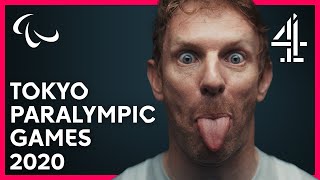
Channel 4, working with 4Creative, wanted to dramatically promote the 2012 Paralympics. The brand needed to overturn public prejudice, shifting perceptions of disabled athletes from objects of pity to elite performers. The challenge was to engage a broad audience, inspiring them to view these athletes as powerful, extraordinary individuals. The desired outcome was to redefine disability and elevate the status of the Paralympic Games, ensuring significant viewership and cultural impact.
Creative Idea
Channel 4 called Paralympic athletes "Superhumans" to prove they were elite performers, not objects of pity.
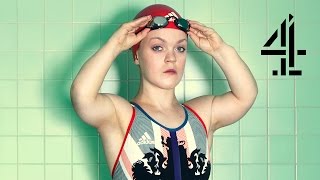
Channel 4 created a groundbreaking marketing campaign for the 2012 Paralympics that reframed disabled athletes not as victims, but as powerful, elite athletes with extraordinary abilities. By showing Paralympic athletes in a strong, dynamic light and using the provocative "Superhuman" positioning, the campaign challenged stereotypes and changed public perception about disability, transforming how people viewed Paralympic athletes as incredible performers rather than objects of pity.
The 90 Second Roadblock That Rebranded Disability
78 Channels and a Public Enemy Anthem
To ensure the campaign was impossible to ignore, Channel 4 executed a massive media roadblock, airing the 90 - second film simultaneously across 78 different UK television channels at 9:00 PM. This tactical strike reached 50% of the UK population in a single moment. The visceral energy was fueled by Public Enemy’s track "Harder Than You Think," which saw a massive resurgence following the launch, eventually peaking at #4 on the UK Singles Chart - the highest position in the band's history.
Capturing the Mechanics of Survival
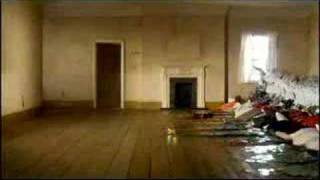
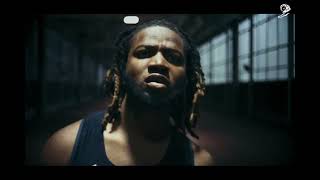
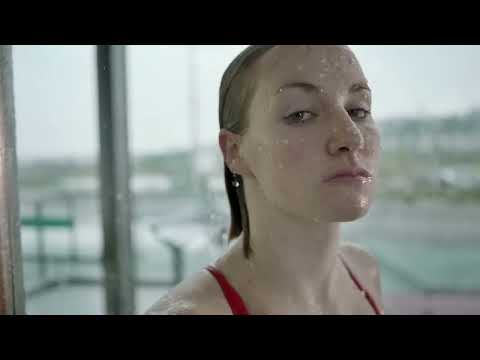 Director Tom Tagholm and Blink Productions spent 15 to 16 days filming at Paralympic test events to capture authentic, high - stakes action. Using Phantom high-speed cameras, the team focused on the raw mechanics of sport, such as the jarring impact of wheelchair rugby crashes and the compression of prosthetic blades. Tagholm intentionally avoided "tiptoeing" around disability, choosing instead to intersperse gritty training footage with "origin" scenes - including car crashes and hospital wards - to frame the athletes' journeys as stories of survival and redemption.
From Pity to a Sold Out Summer
The cultural shift was immediate and measurable. Before the launch, only 14% of the UK public expressed interest in the Paralympics; by the end of the Games, 64% felt the event was equal to the Olympics. This shift translated into the first sold - out Paralympic Games in history, with 2.7 million tickets sold. While the "Superhuman" label later sparked debate among activists regarding the pressure to be extraordinary, it successfully dismantled the "pity" narrative, leading to a decade - long creative legacy for the brand.
Creative Strategy Deconstructed
Company
Channel 4, a public service broadcaster with a 'born risky' mandate, possessed the creative bravery and platform to disrupt traditional representations of marginalized groups. Their unique remit allowed them to invest in provocative, high-production sports coverage that other broadcasters avoided.
Category
Paralympic coverage historically leaned into 'inspiration porn,' focusing on the tragedy of disability and treating the games as a charitable side-show. The category norm was to highlight athletes' struggles rather than their raw, elite athletic performance.
Customer
Viewers often felt a sense of awkward 'polite pity,' which prevented them from engaging with disabled athletes as genuine, high-performance sports stars. They lacked a reason to view the Paralympics with the same visceral excitement as the main Olympic Games.
Culture
The 2012 London games sparked a wave of hyper-patriotism and a cult of athletic heroism. This zeitgeist created a massive appetite for elite sporting icons, providing the perfect window to elevate Paralympic athletes to the same status.
Company
Channel 4, a public service broadcaster with a 'born risky' mandate, possessed the creative bravery and platform to disrupt traditional representations of marginalized groups. Their unique remit allowed them to invest in provocative, high-production sports coverage that other broadcasters avoided.
Category
Paralympic coverage historically leaned into 'inspiration porn,' focusing on the tragedy of disability and treating the games as a charitable side-show. The category norm was to highlight athletes' struggles rather than their raw, elite athletic performance.
Strategy:
Pivot from pity to awe by positioning Paralympic athletes as elite, superhuman warriors to command mainstream sporting respect.
Customer
Viewers often felt a sense of awkward 'polite pity,' which prevented them from engaging with disabled athletes as genuine, high-performance sports stars. They lacked a reason to view the Paralympics with the same visceral excitement as the main Olympic Games.
Culture
The 2012 London games sparked a wave of hyper-patriotism and a cult of athletic heroism. This zeitgeist created a massive appetite for elite sporting icons, providing the perfect window to elevate Paralympic athletes to the same status.
Strategy:
Pivot from pity to awe by positioning Paralympic athletes as elite, superhuman warriors to command mainstream sporting respect.
Strategy Technique
Reframe the Problem
The campaign strategically reframed the public's perception of disabled athletes. It shifted their identity from objects of pity to powerful, extraordinary individuals.
Explore Technique
Creative Technique
Fight prejudice
The campaign directly confronted the public's preconceived negative opinions about disabled athletes. It shattered the narrative of pity by showcasing them as powerful, elite "superhumans."
Explore Technique
Craft Breakdown
This campaign's craft is exceptional due to its masterful editing and powerful sound design, which work in perfect synergy with the compelling cinematography and unique musical track to redefine perception of disability and athletic prowess.
The rapid-fire, rhythmic editing perfectly matches the music's beat, creating an incredibly dynamic and engaging pace that builds relentless momentum throughout the ad.
The gritty sound effects, from wheel squeals and splashes to grunts and impacts, are meticulously layered with the music and voiceover, adding immense texture and visceral realism to the action.
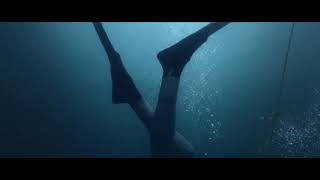
The camera work employs dramatic angles, powerful slow-motion, and intimate close-ups to capture the raw emotion, physical exertion, and sheer determination of the athletes, enhancing their superhuman image.
The custom-made, aggressive grime track acts as the driving, uncompromising force, setting a defiant and empowering tone that significantly elevates the entire campaign's impact.
“The seamless integration of the relentless editing, the powerful grime track, and the impactful sound design creates an immersive and unforgettable experience that truly embodies the campaign's revolutionary message.”