
The 2000s were the decade when the advertising industry finally realized that the "skip" button already existed in the human brain. While most brands were still shouting about features in thirty - second increments, the elite few realized that to survive the birth of YouTube, they had to stop being an interruption and start being the destination. This wasn't about "going viral" as a lucky accident - it was about a radical, expensive commitment to craft that made ignoring the work feel like a personal loss. When Cadbury's: Gorilla premiered, it didn't just break the rules by leaving the chocolate out; it proved that a cinematic performance featuring "27 remote-controlled motors" in a single animatronic face could command more mental real estate than a thousand generic media buys. These films were long, they were weird, and they were undeniable.
Buying Craft Is Cheaper Than Buying Attention
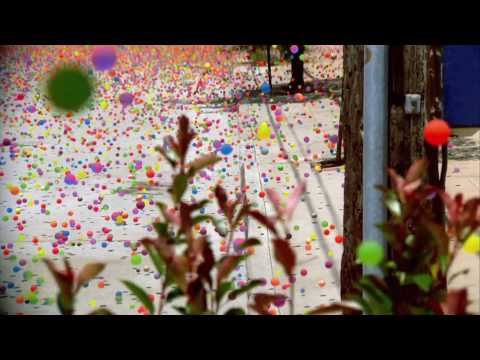
What unites these campaigns is a pathological obsession with the physical world just as digital trickery was becoming the easy way out. In Sony Bravia: Color. Like No Other, the agency took an "anti-digital" stance, choosing to release a quarter-million real bouncy balls down the hills of San Francisco rather than simulating them. This required hiring "50 interns on roller skates to chase down and collect the balls between takes," a logistical nightmare that today’s budget-conscious CMOs would veto in a heartbeat. But that friction is exactly what made it iconic. When you see Honda: Cog, you aren't just watching car parts move; you are witnessing the "606 takes" of a Rube Goldberg machine that refused to use CGI, even when the tires had to roll uphill using "internal copper weights" to shift their center of gravity.
This decade also mastered the "first-person" experience, long before TikTok made it a commodity. In Nike: Take it to the Next Level, director Guy Ritchie put the viewer inside the boots of a rising star to capture the visceral, high-speed POV of a professional athlete. The production was a technical war zone, requiring a "camera tethered to a MacBook Pro running Windows XP" in a rucksack just to capture the performance. It was gritty, it was sweaty, and it felt real because it was genuinely hard to make. Unlike the polished, safe content of the 2010s, these campaigns were defined by their willingness to fail on a massive scale. They were the last great stand of the "Big Idea" before the algorithm started telling us what to think, proving that the most efficient way to get attention is still to do something that seems physically impossible.

The 2000s were also the era of the strategic "rug-pull," where brands stopped trying to be everyone's friend and started having a sharp point of view. Whether it was Ikea: Lamp mocking our tendency to anthropomorphize plastic or Burger King: Whopper Virgins traveling to remote villages with a "custom-made portable broiler" to find people who had never seen a burger, the goal was to provoke a reaction. These ads succeeded because they treated the audience as intelligent and cynical. They used epic metaphors, like EDS: Cat Herders, which turned a boring IT service into a Super Bowl legend by filming through "40 - mph winds, snow, and fog" to humanize digital complexity. They didn't just sell a product; they built a brand myth that felt larger than the category. If you’re brave enough to spend the budget on the work instead of the media, the world will do the distribution for you.