
Animation in advertising is usually the "Plan B" for brands too terrified of a bad casting call, but the masterpieces in this collection prove that when you control every atom on screen, you aren't just making a commercial - you're playing God with a marketing budget. While the average brand uses CGI to save a few pennies on location scouting, the icons of this genre use it to bypass the cynical filters of the human brain.
The through-line here isn't a "look" - it's a commitment to a "tactile tax" that most agencies are too impatient to pay. Take John Lewis: The Bear and the Hare, which famously rejected standard digital shortcuts for a grueling hybrid process. The team used a laser cutter to create "4,000 individual frames" of hand-drawn puppets, placing them into massive physical sets to ensure the light hitting the fur was real. This isn't just animation; it is an engineering feat designed to manufacture a specific, un-skippable warmth that live-action actors simply cannot replicate.
The High Cost of Hand-Crafted Empathy
Most animated ads fail because they feel "clean" and corporate, but the campaigns in this library lean into the messiness of the medium. They treat the screen as a blank canvas for high-concept strategy rather than just a way to show a talking product. In Chipotle: A Love Story, the brand didn't just hire a studio; they enlisted a former "Pixar animator" to spend eight months building a digital environment that felt physical and organic. By withholding the logo until the final seconds, they transformed a fast-food ad into a four-minute wordless critique of industrial farming. This is where animation becomes the strategy: it allows a brand to tell a heavy, political story through a lens that feels like a gift rather than a lecture.
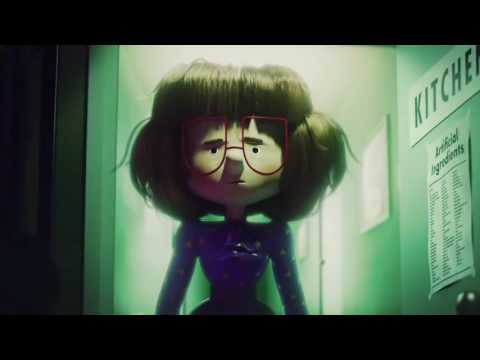
This world-building allows for a level of "radical listening" that reality often restricts. When Bodyform: Womb Stories tackled the complexities of reproductive health, they didn't rely on the "white jeans" clichés of the category. Instead, they used diverse animation styles to visualize internal emotional states, like using a "burning apartment" to represent the onset of menopause or inner demons for endometriosis. By hiring a global team of 12 women animators to work in total isolation, the agency ensured that each segment felt like a distinct, visceral truth. This is the unique power of this creative lens: it makes the invisible visible. It takes the abstract, terrifying, or ignored parts of the human experience and gives them a shape, a color, and a heartbeat that a standard film crew could never capture on a soundstage in Slough.
Engineering the Lovably Dim
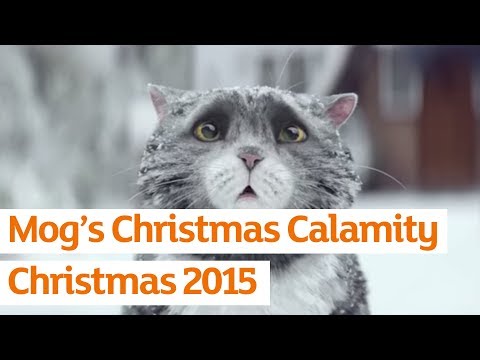
Great animation is also about the obsessive pursuit of "character" over "mascot." When a brand creates a character that people actually care about, they aren't just buying a media slot; they are building a brand asset that can live for decades. This requires a level of technical insanity that most "efficient" brands skip. For Sainsbury's: Mog's Christmas Calamity, the team at Framestore didn't just model a cat; they added a digital "fat layer" to the model so her skin would jiggle realistically. They even had an actor wear a GoPro to capture human-like nuance for a character described in the brief as "lovably dim." This isn't just about making things look "nice" - it's about the psychological precision required to make a digital puppet feel like a member of the family.
That same obsession with craft is what separates Apple: Fuzzy Feelings from the rest of the holiday noise. While most tech brands shout about specs, Apple showcased its flagship phone as a tool for a "masterclass in patience," where a veteran animator captured over 20,000 images at a pace of just "3 seconds of footage per day." These campaigns work because they respect the audience's intelligence enough to offer something beautiful. They prove that in an era of AI-generated sludge, the most valuable thing a brand can own is a story that was clearly, painfully, and lovingly built by hand. If you aren't willing to spend 100 hours on a single facial expression, you aren't making great animation - you're just making a PowerPoint with a higher frame rate.
Ultimately, these campaigns prove that when you stop trying to mirror reality and start trying to invent a better one, the audience stops reaching for the skip button and starts reaching for their tissues.