Coca-Cola: Try Not To Hear This
Coca-Cola wanted to re-energize its presence in Central and Eastern Europe after a period of stagnation. DAVID Miami was tasked with reminding consumers of the brand's unique sensory experience. The goal was to drive cravings and reinforce Coca-Cola's iconic status among a broad audience by tapping into the rituals of consumption in a way that felt fresh, modern, and impossible to ignore.
Creative Idea
Used silent macro photography and reverse psychology to trigger auditory hallucinations of iconic product sounds.
Coca-Cola used macro photography of iconic product rituals and reverse psychology to trigger synesthesia, proving their brand sounds are so ingrained in culture that consumers hear the fizz and pop even in silent print ads.
The Auditory Hallucination That Conquered Print
85 Million Impressions Without Sound
The campaign achieved massive global scale with extreme efficiency, generating over 85 million impressions within just three days of its launch in Estonia, Serbia, and Slovenia. While the initial rollout targeted Central and Eastern Europe to reverse regional sales stagnation, the "auditory illusion" quickly went viral worldwide. It proved that a brand's sonic identity - the "pop" of a cork or the "crack" of a can - is so deeply embedded in the collective consciousness that it can drive cravings without a single decibel of audio.
The Science of Synesthesia
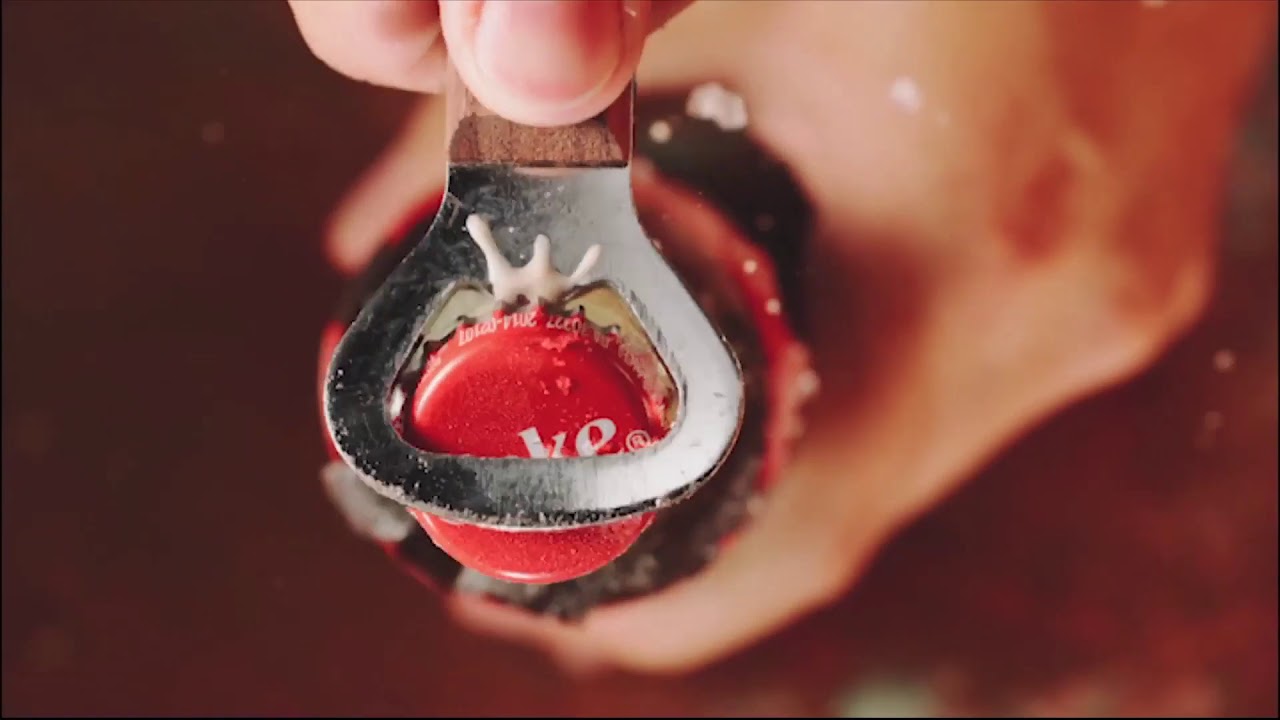 The production, led by DAVID Miami, utilized high-resolution macro photography to focus on three specific rituals: the fizzing bubbles, the bottle opening, and the can tab pull. The creative team, including Ricardo Casal and Juan Javier Peña Plaza, intentionally used reverse psychology in the headline "Try Not To Hear This." This "forbidden" hook forced the brain to focus on the sound, triggering a neurological phenomenon known as synesthesia. Many consumers reported experiencing a "phantom taste" or a physical fizzing sensation on their tongues alongside the auditory hallucination.
Branding Through Sensory Memory
Coca-Cola Content Lead Camilla Zanaria noted that the brand has "earned a place in people’s heads," allowing the audience to finish the ad themselves. By stripping away product names and explanations, the minimalist visuals relied entirely on the strength of the Coca-Cola logo and the viewer's neural pathways. This approach reaffirmed the power of print in a digital-first era, demonstrating that a static image can be as immersive as a high-budget video if it successfully activates sensorial memory.
Creative Strategy Deconstructed
Company
A brand with globally recognized sensory rituals like the fizzing of bubbles and the cracking of a can.
Category
Beverage brands often rely on loud, fast-paced TV commercials to convey refreshment and sensory appeal.
Customer
Consumers have become desensitized to traditional advertising but possess powerful, subconscious sensory memories of iconic products.
Culture
The rise of ASMR and sensory-focused digital content made audiences more receptive to subtle, immersive physical triggers.
Company
A brand with globally recognized sensory rituals like the fizzing of bubbles and the cracking of a can.
Category
Beverage brands often rely on loud, fast-paced TV commercials to convey refreshment and sensory appeal.
Strategy:
Leverage sensory associations to trigger subconscious brand memories and physical cravings through silent, minimalist visual cues.
Customer
Consumers have become desensitized to traditional advertising but possess powerful, subconscious sensory memories of iconic products.
Culture
The rise of ASMR and sensory-focused digital content made audiences more receptive to subtle, immersive physical triggers.
Strategy:
Leverage sensory associations to trigger subconscious brand memories and physical cravings through silent, minimalist visual cues.
Results
The campaign successfully leveraged the concept of synesthesia to create 'audible' print ads. While specific numerical metrics like reach or sales lift are not explicitly listed in this specific cut, it highlights the 126 years of 'deliciously sounding ads' that built this sensory association. The video demonstrates the campaign's presence across billboards, print magazines, and digital displays, effectively turning silent media into an auditory brand experience.
126 years
of iconic brand sound history
Multi-channel
execution across print, OOH, and digital
Strategy Technique
Create a New Mental Shortcut
It exploits deep-seated neural pathways where visual triggers automatically activate auditory memories. This reinforces the brand's iconic rituals as instant mental shortcuts for the refreshing experience of the product.
Explore Technique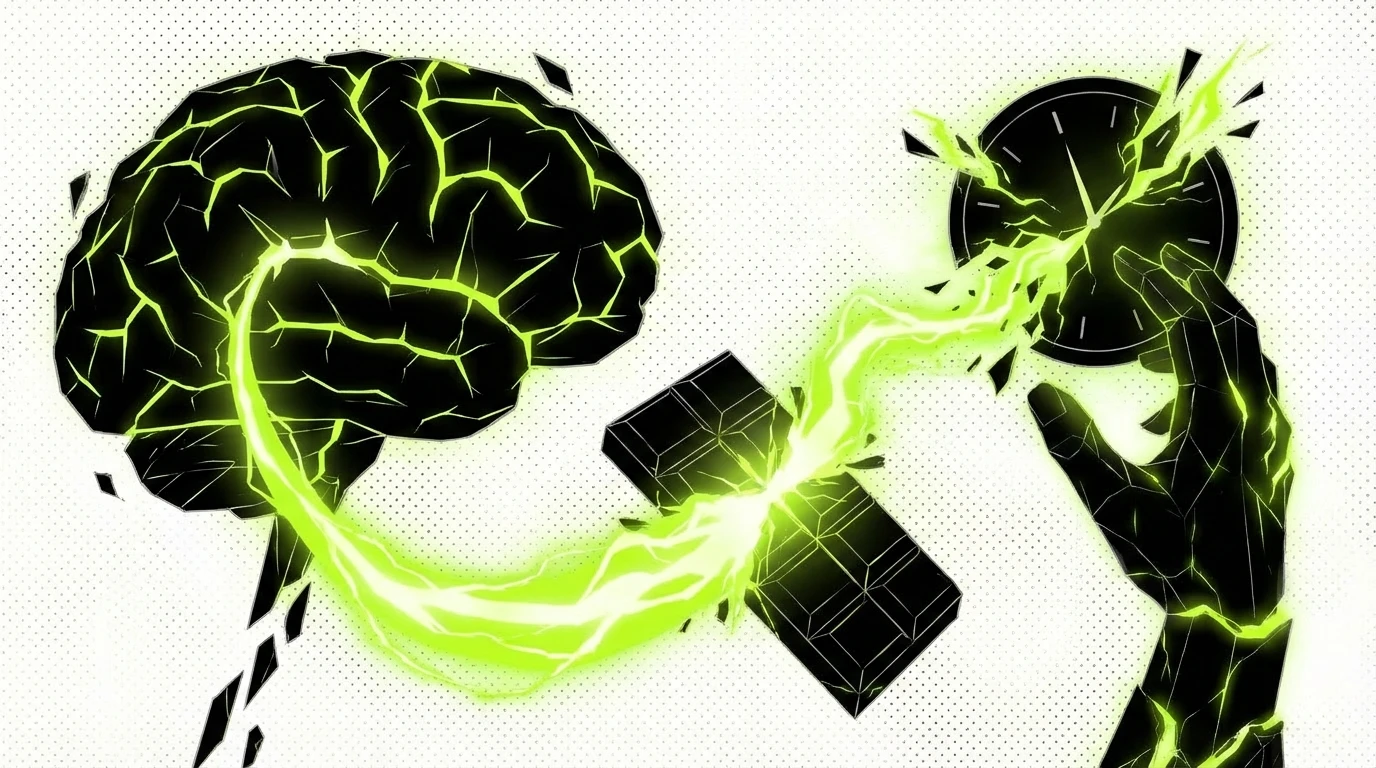
Creative Technique
Unexpected audio
The campaign leverages synesthesia to create an auditory experience through silent imagery. By showing macro shots of sensory rituals, it forces the brain to generate the missing sounds of the product.
Explore Technique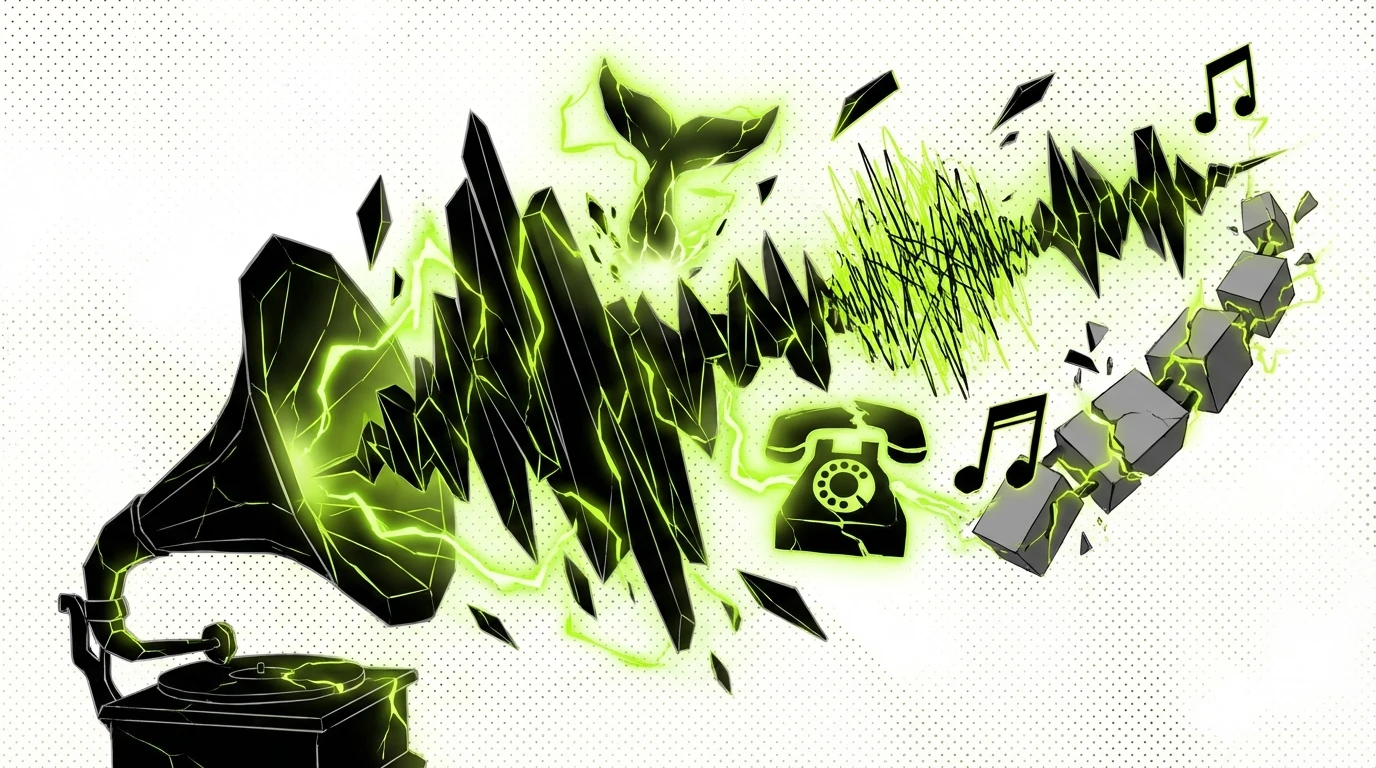
Craft Breakdown
The campaign excels by using high-quality macro photography to trigger a psychological response, turning static images into a multi-sensory experience.
The extreme macro shots of condensation, fizz, and the mechanical tension of a bottle opener are visceral enough to trigger auditory memory.
The challenge 'Try not to hear this' is a brilliant use of reverse psychology that forces the viewer to engage with the brand's sonic identity.