Coca-Cola: This Coke Is A Fanta
Coca-Cola Brazil wanted to demonstrate a genuine commitment to LGBTQ+ rights beyond superficial support. David The Agency São Paulo was tasked with finding a way to connect with the community during Pride month, specifically addressing the 'Essa Coca é Fanta' slur that had plagued the brand's image for decades, aiming for organic cultural impact without a paid media budget.
Creative Idea
They literally put Orange Fanta inside Coca-Cola cans to reclaim a homophobic slur.
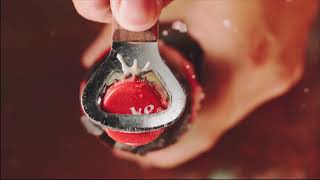
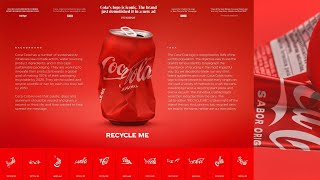
Coca-Cola reclaimed a popular Brazilian homophobic slur by launching a limited-edition red can filled with Orange Fanta, turning a derogatory phrase into a powerful symbol of pride and authenticity that stripped the insult of its power.
The Slur That Became A Symbol Of Pride
Reclaiming a National Insult
In Brazil, the phrase Essa Coca é Fanta was a pervasive homophobic slur used to mock individuals for being "closeted." To dismantle this, DAVID SP and Coca-Cola Brasil executed a literal interpretation of the joke. They filled iconic red cans with Orange Fanta, printing the defiant message: Essa Coca-Cola é Fanta, e daí? (This Coke is a Fanta, so what?). What began as an internal activation at the Rio de Janeiro headquarters for International LGBT+ Pride Day quickly evolved into a cultural phenomenon.
Zero Dollars for One Billion Impressions
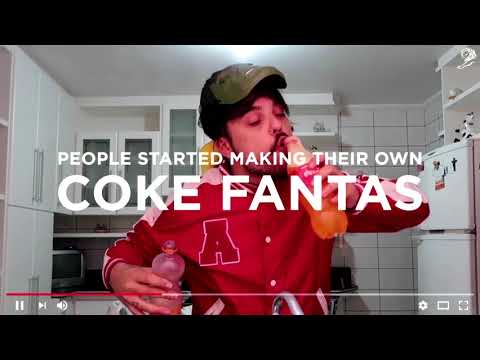 The campaign achieved a staggering 1 billion to 2 billion media impressions with a $0 USD paid media budget. Because the cans were never sold in stores - distributed only to employees and influencers like drag icon Pabllo Vittar - they became a rare commodity. This scarcity triggered a massive grassroots movement during the 2018 Brazilian Carnival, where fans created their own DIY merchandise, including t-shirts and phone cases. The organic reach was so powerful it successfully scrubbed Google search results, replacing homophobic memes with articles about inclusion and diversity.
Corporate Panic and Brand Assets
The production was not without friction. Creative leaders Rafa Donato, Jean Zamprogno, and Fernando Pellizzaro noted that the concept initially caused "panic" within Coca-Cola. The idea of "tampering" with the liquid and the world's most protected brand assets was seen as a massive risk. However, the decision to own the slur stripped it of its power, turning a derogatory meme into the most engaging organic campaign in Brazil in 2017. It remains a definitive industry benchmark for how global brands can navigate hyper-local linguistic nuances to drive genuine social change.
Creative Strategy Deconstructed
Company
Coca-Cola's iconic red can and its secondary brand, Fanta, provided the perfect visual and physical metaphors for subversion.
Category
Beverage brands typically stay neutral or use generic pride imagery without addressing specific, painful local linguistic nuances or prejudices.
Customer
The LGBTQ+ community in Brazil felt exhausted by a pervasive slur that used a brand they loved to mock them.
Culture
The 2017/2018 Pride and Carnival seasons provided a high-visibility window for a grassroots movement to reclaim a derogatory cultural meme.
Company
Coca-Cola's iconic red can and its secondary brand, Fanta, provided the perfect visual and physical metaphors for subversion.
Category
Beverage brands typically stay neutral or use generic pride imagery without addressing specific, painful local linguistic nuances or prejudices.
Strategy:
Subvert a derogatory linguistic meme by physically manifesting it to strip the insult of its negative power.
Customer
The LGBTQ+ community in Brazil felt exhausted by a pervasive slur that used a brand they loved to mock them.
Culture
The 2017/2018 Pride and Carnival seasons provided a high-visibility window for a grassroots movement to reclaim a derogatory cultural meme.
Strategy:
Subvert a derogatory linguistic meme by physically manifesting it to strip the insult of its negative power.
Results
The campaign achieved U$ 0 media investment while generating 1,068,984,850 media impressions. It was named the most engaging organic campaign in Brazil in 2017. It successfully shifted Google search trends, turning a conversation full of hate (terms like 'faggot', 'whore', 'suspicious') into one of pride ('pride', 'respect', 'LGBT', 'brilliant'). The campaign sparked massive organic engagement with people making their own 'Coke Fantas' and creating fake merchandising like phone cases and t-shirts. It received widespread support from major influencers and celebrities like Pabllo Vittar.
1B+
media impressions
$0
media investment
2017
most engaging organic campaign in Brazil
Strategy Technique
Turn Brand Values Into Action
Coca-Cola moved beyond rainbow-washing by physically altering its most sacred brand assets, proving its commitment to diversity through a provocative product change that directly addressed a specific local prejudice.
Explore Technique
Creative Technique
Turn Message into Product
By literally putting Fanta inside a Coke can, the brand transformed a linguistic slur into a tangible, celebratory product, forcing people to confront the prejudice through a physical brand experience.
Explore Technique
Craft Breakdown
The campaign's brilliance lies in its bold product innovation and sharp copywriting that reclaimed a negative slur through a physical manifestation of the joke.
The simple addition of 'E daí?' (So what?) to a common slur completely flipped the power dynamic of the expression.
The minimalist execution of the can maintained brand integrity while signaling a clear, provocative message.
“The synergy between the physical product design and the cultural insight created a 'talkable' object that required no paid media to go viral.”