Samsung - "iTest" campaign
Samsung aimed to attract iPhone users who were hesitant to switch to Android. The client needed a way to allow these users to experience the Galaxy interface and features without the commitment of purchasing a new device, ultimately increasing consideration and downloads for the 'iTest' program.
Creative Idea
Samsung let iPhone users test-drive its Android OS directly on their own Apple devices.
Samsung created a web app, "iTest," that transformed iPhones into Galaxy handset emulators, allowing Apple users to experience the Android interface and features directly on their own devices. This clever approach bypassed Apple's App Store, effectively letting curious iPhone owners 'test drive' a Samsung without commitment.
Turning the iPhone into a Samsung Billboard
What began as a local New Zealand social post exploded into a global phenomenon, reaching 234 countries and garnering over 12 million downloads. The campaign’s "Trojan Horse" strategy successfully bypassed the Apple App Store entirely by using a sophisticated HTML, CSS, and JavaScript web application. By prompting users to "Add to Home Screen," the agency placed a Samsung icon directly onto the iPhone’s springboard, effectively hijacking the competitor's hardware as a media placement.
Bypassing the Walled Garden
The technical execution required replicating an entire operating system, including a functional Settings menu and a simulated Galaxy Store. In a deliberate jab at Apple’s legal battles, the store prominently featured Fortnite, which was banned from the official App Store at the time. To guide users through the experience, the team programmed simulated text messages and phone calls to trigger at specific intervals. One such interaction featured New Zealand influencer Logan Dodds, who walked users through the camera features via a simulated video tutorial.
The Horror in Norway
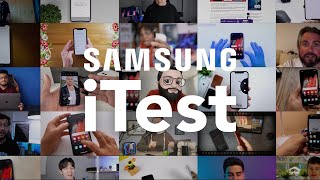 The campaign’s impact was felt deep within Apple’s own ranks. A leaked internal email from an Apple employee in Norway reportedly described the project "with horror," noting that Samsung was using Apple's own devices against them. While the project was intended to be a small local activation, it went viral within 48 hours after being discovered by MacRumors. This massive organic reach led to a 10% increase in brand switching in the New Zealand market. As Creative Director Brett Colliver noted, the project was a "mischievous poke" at the market leader that proved the "fear of the unknown" was the only thing keeping many users within the Apple ecosystem.
Creative Strategy Deconstructed
Company
Samsung leveraged its technical prowess to develop a sophisticated web application that seamlessly emulated its Galaxy OS on competitor devices.
Category
The smartphone category typically required users to physically switch devices or visit stores to experience a different operating system.
Customer
iPhone users were curious about Android features but hesitant to commit to a new device due to ecosystem lock-in and perceived hassle.
Culture
The prevailing cultural narrative around Apple's 'walled garden' and ecosystem restrictions created a perfect backdrop for this disruptive approach.
Company
Samsung leveraged its technical prowess to develop a sophisticated web application that seamlessly emulated its Galaxy OS on competitor devices.
Category
The smartphone category typically required users to physically switch devices or visit stores to experience a different operating system.
Strategy:
Enable frictionless exploration of alternatives within a restrictive ecosystem to foster curiosity.
Customer
iPhone users were curious about Android features but hesitant to commit to a new device due to ecosystem lock-in and perceived hassle.
Culture
The prevailing cultural narrative around Apple's 'walled garden' and ecosystem restrictions created a perfect backdrop for this disruptive approach.
Strategy:
Enable frictionless exploration of alternatives within a restrictive ecosystem to foster curiosity.
Results
The Samsung iTest campaign successfully reached over 10,000,000 iPhone users who have now experienced a Samsung interface. The campaign garnered significant attention from tech influencers and media, who showcased and reviewed the iTest experience.
10,000,000+
iPhone users experienced Samsung
Strategy Technique
Shift the Context
Samsung shifted the context of trying a new smartphone OS from requiring a device purchase to a risk-free, direct experience on an iPhone. This removed the barrier of commitment for curious users.
Explore Technique
Creative Technique
Hijack the Medium
Samsung cleverly turned iPhones into a "media placement" for their own operating system. This allowed them to bypass traditional advertising channels and Apple's App Store.
Explore Technique
Craft Breakdown
The Samsung iTest campaign is exceptional for its innovative use of a web-based interactive experience to directly challenge a competitor's ecosystem, demonstrating a bold and clever approach to competitive marketing that resonated widely.
The creation of a fully interactive, convincing Android simulation delivered as a web app on an iPhone is a remarkable technical and user experience achievement, pushing the boundaries of what's possible in mobile web development.
The core idea of letting iPhone users 'test drive' Android on their own device is a brilliant, direct, and highly effective competitive marketing strategy that generated massive buzz and engagement.
The seamless integration and intuitive navigation of the Android interface within the iTest web app provided an authentic and engaging user experience, making the 'test drive' feel genuinely immersive.
The witty and provocative messaging, from 'Welcome to the other side' to 'Compare apples with androids,' effectively communicated the campaign's bold stance and invited users to reconsider their loyalties.
“The campaign's magic comes from the seamless synergy between innovative digital craft, a bold advertising concept, and a well-executed user experience, all amplified by clever and provocative copywriting.”