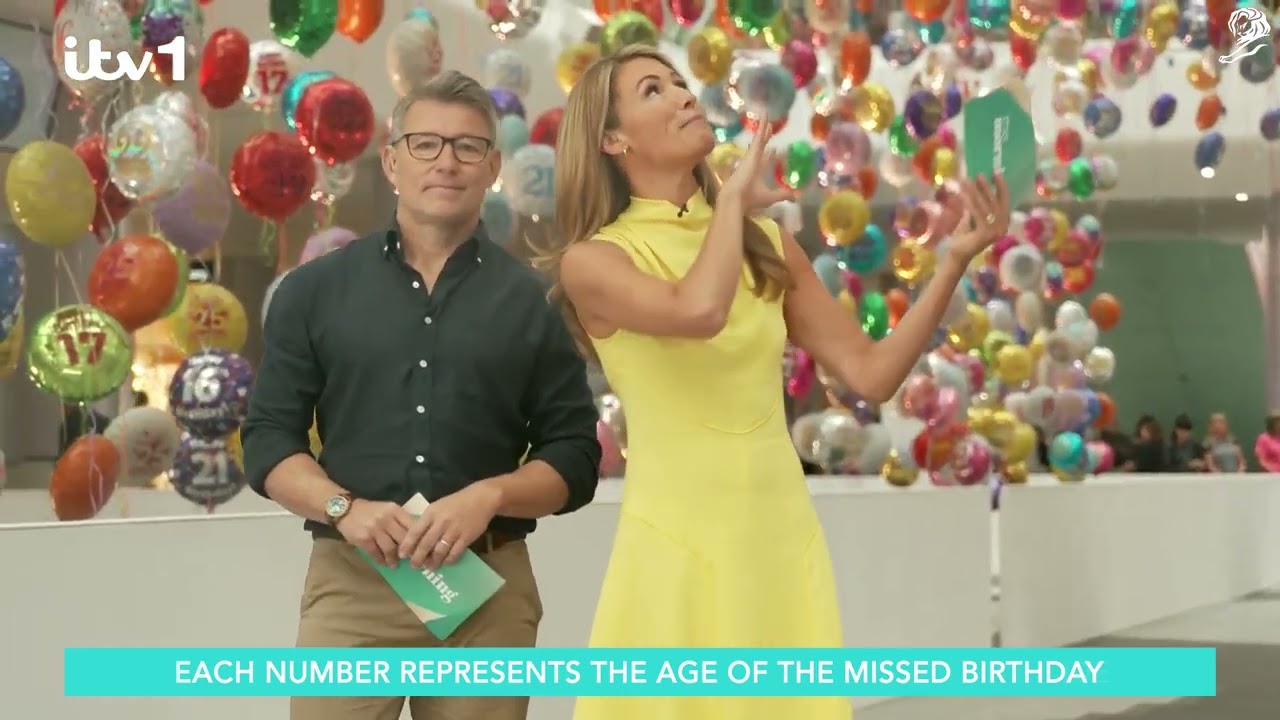
Stop making ads that look like a hug. For decades, mental health marketing was a sea of soft-focus empathy and stock footage of people staring out of windows. It was well-meaning but ultimately invisible. What unites this collection is a refusal to be polite. These brands don't just "start a conversation" - they hijack the culture using high-stakes craft. Take ITV X CALM: Missed Birthdays, which used 6,929 air-filled balloons to turn a terrifying statistic into a physical forest. This is a "Trojan Horse" strategy using the language of celebration to deliver a gut-punch of reality.
Trading Empathy for High-Stakes Utility
The best work here stops being an ad and starts being a tool. Most brands stop at awareness, but Samsung - Unfear built a "sound airbag" for the senses using AI to filter triggers for autistic users. It is a shift from talking about a problem to solving it with "scientific endorsement from 127 countries." Similarly, Siemens Healthineers: Magnetic Stories "treated the machine as a percussionist," turning 130 decibels of terrifying MRI noise into a narrated audiobook. This is where this playlist differs: the technique isn't just a clever line, it is a structural change to the user experience.

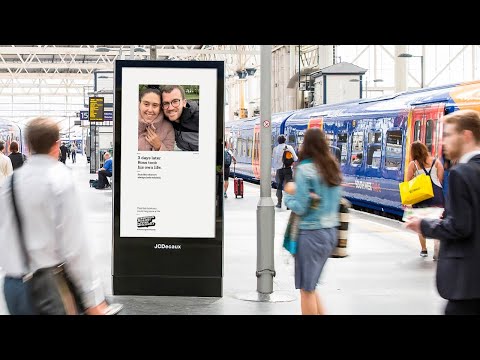
These campaigns also understand that the most dangerous mental health crises are the ones that look like a success story. CALM x ITV - The Last Photo showed joyful faces on London’s South Bank, only to reveal they were the final images of suicide victims. It is a "duty of care" masterclass that weaponizes irony to prove suicidal doesn't always look suicidal. Even Dove - The Cost of Beauty moved beyond awareness into "legislative action," using a decade of archival home videos to drive 95,000 petition signatures for the Kids Online Safety Act. This level of commitment is why these projects outlive their media spend.
Finally, there is the commercial reality: honesty sells. Andrex: Get Comfortable reversed a "ten-year downward trend" by talking about the social anxiety of public bathrooms, a move that delivered a "19% purchase uplift" and exploded the brand's TikTok presence. These brands didn't just win awards; they proved that when you stop sugarcoating the dark stuff, the audience finally stops looking away. Mental health isn't a "soft" topic for brands to touch with kid gloves. It is a high-stakes arena where the best creative strategy is simply to tell the unvarnished, uncomfortable truth.