CALM x ITV - The Last Photo
CALM and ITV approached adam&eveDDB. They wanted to challenge the dangerous misconception that suicidal behaviour always looks obvious. The client needed to urgently highlight that suicidal intentions aren't always visible, as 125 people took their lives weekly. The goal was to raise national awareness and empower the public to intervene and prevent suicide, even when signs were invisible.
Creative Idea
CALM showed final photos of happy people who then took their lives.
CALM and ITV created "The Last Photo" campaign to challenge the common misconception about what suicidal behavior looks like. By showcasing final photos of people who seemed happy before taking their own lives, the campaign aimed to raise awareness that suicidal intentions aren't always obvious and encourage people to intervene and offer support.
The Invisible Crisis Hidden in Plain Sight
The Happiest Day of the Year
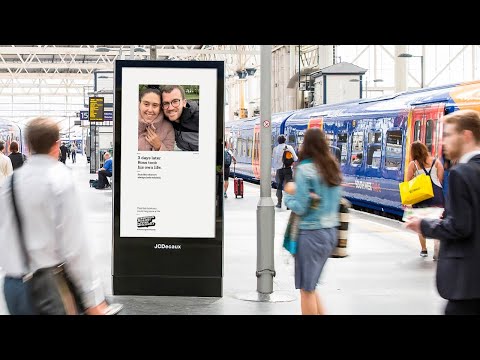
Strategically launched on the third Monday in June - colloquially known as the happiest day of the year - the campaign utilized the irony of summer sunshine to contrast the "happy" imagery with tragic reality. The installation on London’s South Bank featured 50 unbranded, 6.5 foot high portraits of smiling individuals. For two days, the public saw only joyful faces; it was only on the third day that Phillip Schofield and Holly Willoughby revealed on *This Morning* that these were the final photos taken of people before they died by suicide.
Real Memories and Duty of Care
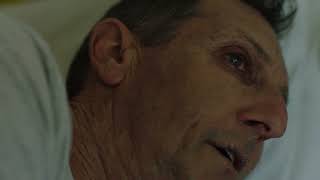
 Director Max Fisher of Rogue Films crafted the 90 minute TV spot using real home video footage provided by families. This raw material showed loved ones dancing and playing moments before their deaths, reinforcing the message that "suicidal doesn't always look suicidal." Integrated Producer Amy Simmons implemented a rigorous duty of care tracker, ensuring families maintained total control over their loved ones' images. Interestingly, the production faced challenges representing LGBTQ+ and ethnic minority communities due to the deep seated stigma that often prevented families from granting legal Next of Kin releases.
Life Saving Metrics and Organic Growth
The impact was immediate and measurable. CALM reported preventing 161 suicides directly linked to the initiative within six months. The campaign triggered a 400% increase in donations and a 33% surge in helpline calls during launch week. Beyond the planned 50 portraits, the exhibition became a grassroots memorial as members of the public began spontaneously leaving their own "last photos" at the site. With over 1.6 billion impressions, the project shifted the national conversation from passive awareness to active empowerment via a suicide prevention toolkit accessed through on site QR codes.
Creative Strategy Deconstructed
Company
CALM provides expert suicide prevention resources while ITV offers the massive cultural authority and reach of the UK’s largest broadcaster. Together, they possess the credibility to handle a sensitive topic and the scale to turn a campaign into a national event.
Category
Mental health advertising traditionally relies on visual shorthand for sadness, such as people sitting in dark rooms or crying. This creates a dangerous blind spot where the public ignores those who appear functional or even joyful because they don't fit the 'suicidal' stereotype.
Customer
Friends and family members genuinely want to prevent suicide but feel paralyzed by the belief that they would 'just know' if someone was struggling. They experience a false sense of security when they see their loved ones smiling, assuming happiness equals safety.
Culture
In an era of performative social media and 'toxic positivity,' the gap between public appearance and private reality has never been wider. The UK public is increasingly aware of the mental health crisis but lacks the tools to see through the 'mask' of daily life.
Company
CALM provides expert suicide prevention resources while ITV offers the massive cultural authority and reach of the UK’s largest broadcaster. Together, they possess the credibility to handle a sensitive topic and the scale to turn a campaign into a national event.
Category
Mental health advertising traditionally relies on visual shorthand for sadness, such as people sitting in dark rooms or crying. This creates a dangerous blind spot where the public ignores those who appear functional or even joyful because they don't fit the 'suicidal' stereotype.
Strategy:
Redefine 'suicidal' by exposing the mask of happiness to mobilize the public to look beyond the obvious signs.
Customer
Friends and family members genuinely want to prevent suicide but feel paralyzed by the belief that they would 'just know' if someone was struggling. They experience a false sense of security when they see their loved ones smiling, assuming happiness equals safety.
Culture
In an era of performative social media and 'toxic positivity,' the gap between public appearance and private reality has never been wider. The UK public is increasingly aware of the mental health crisis but lacks the tools to see through the 'mask' of daily life.
Strategy:
Redefine 'suicidal' by exposing the mask of happiness to mobilize the public to look beyond the obvious signs.
Results
The campaign achieved significant results: it attracted over 500,000 visitors to the exhibition in 7 days, led to a 33% increase in online conversations about suicide, and generated 1.6 billion impressions with zero paid media. Donations increased by 400% year on year. The campaign sparked the UK's largest ever debate about suicide, receiving widespread coverage across major news outlets including The Telegraph, Ladbible, Daily Mirror, Grazia, OK! magazine, Daily Express, Metro, Independent, MailOnline, PRWeek, Female First, WalesOnline, Daily Star, and PA Press Association. Specific headlines cited include "Shirley Ballas in tears as she opens up on brother's tragic suicide: 'There were signs'" and "Moving exhibition showcases the last photos people took before dying by suicide." It was also featured on prominent TV shows like "This Morning" and radio programs like "The Chris Evans Breakfast Show."
500,000
visitors in 7 days
1.6B
impressions
+400%
increased donations year on year
Strategy Technique
Make the Invisible Visible
The campaign makes the invisible nature of suicidal intentions starkly visible. It highlights that signs aren't always obvious, empowering intervention even without clear indicators.
Explore Technique
Creative Technique
Fight stereotypes
The campaign directly challenges the dangerous stereotype that suicidal behavior always looks obvious. It uses final photos of seemingly happy individuals to shatter this misconception.
Explore Technique
Craft Breakdown
The campaign's craft leverages authentic, emotionally deceptive photography, presented through impactful art direction in a public exhibition, and amplified by razor-sharp copywriting for its profound reveal. The accompanying film's poignant music further deepened the emotional resonance.
The careful selection of genuinely happy, authentic last photos of individuals was crucial, creating a powerful visual deceit that formed the very foundation of the campaign's emotional impact.
The design and execution of the large-scale outdoor exhibition on London's South Bank transformed the photographs into a public, immersive experience, maximizing visitor engagement and the visceral impact of the reveal.
The succinct and powerful on-screen text, especially the reveal statements like 'BUT THE PHOTOS WERE NOT WHAT THEY SEEMED,' masterfully transformed the meaning of the visuals and delivered the campaign's urgent message with devastating clarity.
The melancholic female vocal line in the 90-second film provided a deeply poignant and memorable audio layer, significantly enhancing the emotional resonance of the individuals' last home videos.
“The campaign's extraordinary impact arose from the synergistic combination of authentic photography, bold art direction in a public space, and the precise, gut-wrenching copywriting that delivered the crucial reveal.”