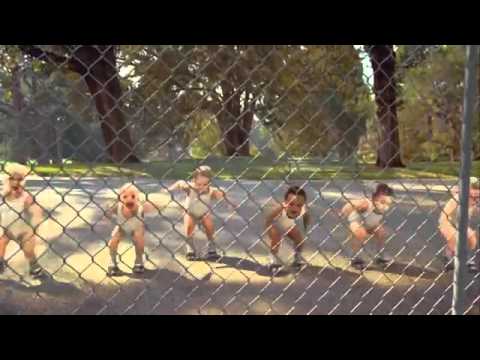
Advertisers have hijacked our amygdalas with infants since the first Gerber jar. Yet, while most "baby ads" settle for stock-photo sentimentality, the campaigns that stick treat the infant as a high-stakes dramatic lead. They trade soft-focus lenses for visceral reality, proving the shortcut to a consumer’s heart isn’t just "cute" - it is the shock of the familiar rendered through extreme craft or brutal honesty.
From Soft-Focus Sentiment to High-Definition Defecation
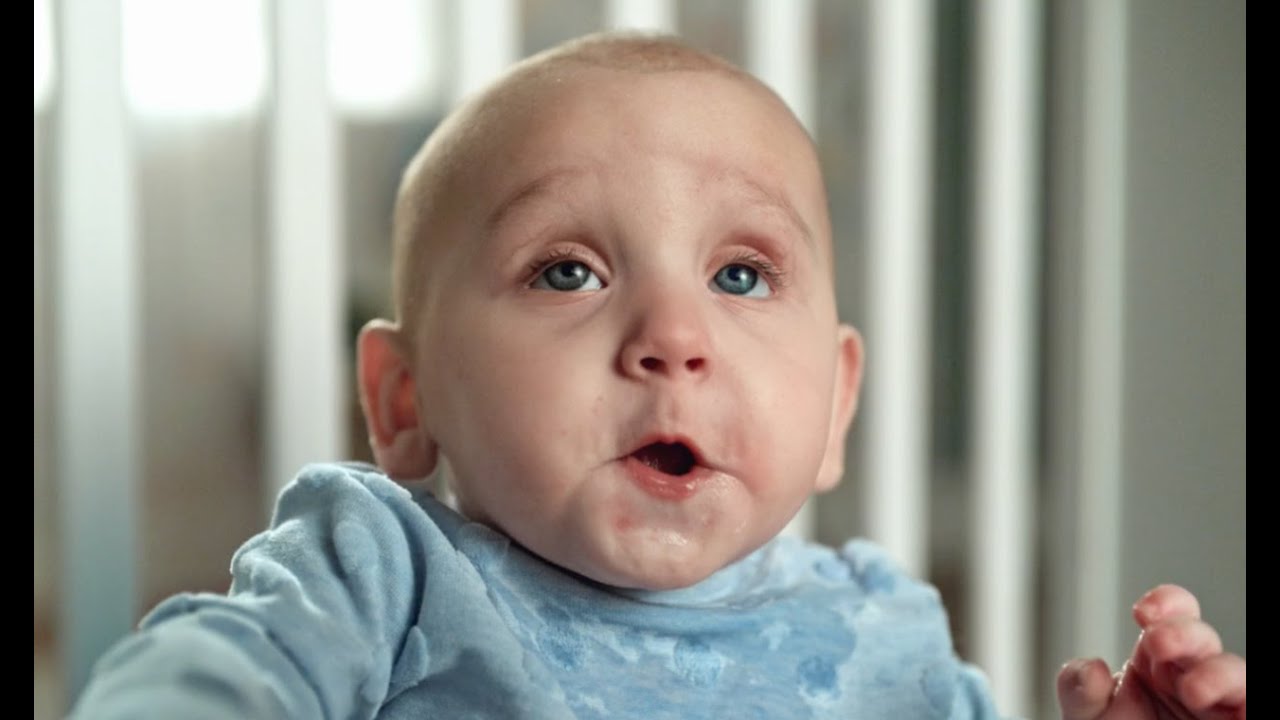
In Pampers: Pooface, director Olly Blackburn used "400 frames per second" to turn a split-second grimace into a cinematic event. This isn't just about a diaper; it's about the "gross-but-cute" reality of a blowout. By leaning into the mess, brands like Burger King: Bundles of Joy find power in unvarnished truth. Instead of models, they used "hospital room selfies" of real mothers to capture the raw hunger of post-birth "foodfillment." This shift from "cryvertising" to "truth-telling" is what separates a scroll-stopper from a skip-button casualty.
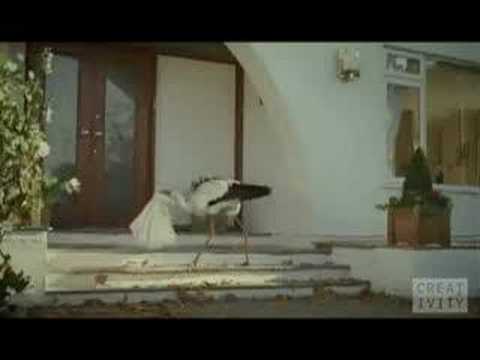
Beyond the reality of the delivery room, the most iconic entries in this category utilize the "uncanny" to bypass our cynical filters. When Evian: Roller Babies broke the internet, it wasn’t just the novelty of skating toddlers; it was a complex production involving "134 real babies" and motion-capture data from adult dancers. This level of commitment - over-engineering the punchline - is what makes Monster.com: Stork feel like a James Bond title sequence rather than a job-board ad. Director Daniel Kleinman didn't just film a bird; he collaborated with Framestore to create a CGI stork with "anatomically correct" flight mechanics, turning a simple analogy into a career identity crisis.
Even when the technology isn't digital, the strategy remains the same: solve the human tension, not the category cliché. Campaigns like Volkswagen: Baby succeed by mastering the "start-stop silence" of parenthood, using sound design rather than dialogue to build tension. Similarly, Citroën: Daddy used "specialized harnesses" to literally strap children to an actor during a tango, visualizing the physical burden of domestic life. These brands understand that a baby on screen is an attention magnet, but only a subverted truth turns a fleeting glance into a brand memory. We aren't just looking at the baby; we are looking at a reflection of our own chaotic, exhausted, and strangely beautiful reality.