Burger King: McWhopper
Burger King wanted to increase brand favorability and support Peace One Day. Y&R New Zealand was tasked with finding a way to make a global impact on a limited budget. They needed to reach a broad audience of fast-food consumers and position Burger King as a brave, culturally relevant brand that could stand up to its much larger rival, McDonald's.
Creative Idea
Publicly invited a rival to create a hybrid burger for a global peace initiative.
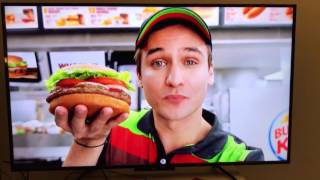
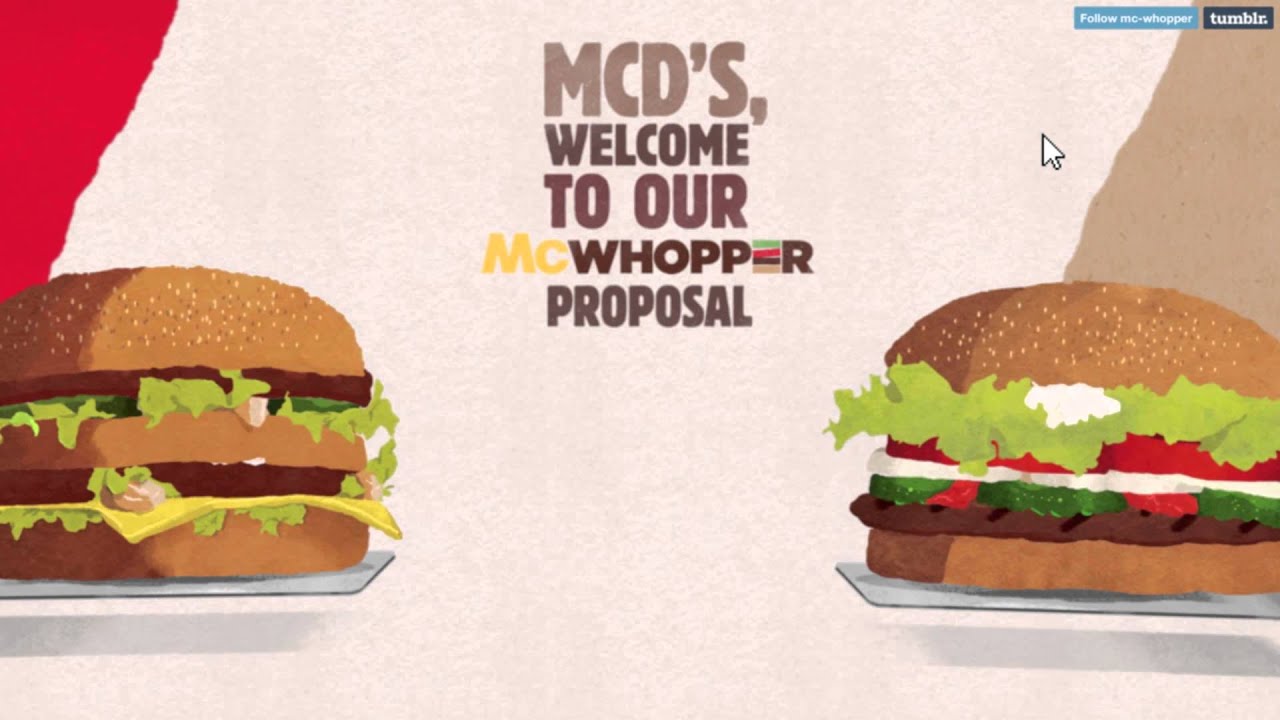
Burger King proposed a 'burger wars ceasefire' to McDonald's by inviting them to create a hybrid 'McWhopper' for Peace One Day. This worked by hijacking a rival's scale and turning a corporate rejection into a global DIY social phenomenon.
The Peace Proposal McDonald's Refused to Sign
A Four Year Wait in a Drawer
The McWhopper was not a sudden brainstorm but a long game of patience. The concept was originally inspired by a 2011 D&AD White Pencil brief for the non-profit Peace One Day. Y&R New Zealand missed the original deadline but kept the idea in a drawer for four years until the timing felt right to pitch it to Fernando Machado, Burger King’s SVP of Global Brand Management. Machado’s reaction was immediate and legendary, replying via email: "I FUCKING LOVE THE IDEA... Call me as soon as you can."
Turning a No into a Yes
To ensure the proposal felt sincere rather than a prank, the agency pre-produced everything before the public launch. They designed the Atlanta pop-up restaurant, co-branded packaging, and staff uniforms to prove they were ready to execute. When McDonald’s CEO Steve Easterbrook famously rejected the offer on Facebook - suggesting a "simple phone call" would suffice next time - the strategy shifted from a partnership to a "hijack." Four other rivals, including Denny’s and Wayback Burgers, stepped in to create the "Peace Day Burger" instead.
The DIY Viral Phenomenon
The campaign’s true scale was driven by the public. Since the official McWhopper was never sold, over 10,500 fans created their own DIY versions, purchasing both a Big Mac and a Whopper to assemble the hybrid at home. This helped generate 8.9 billion media impressions and an earned media value of up to $220 million. Beyond the "burger wars," the campaign had a tangible social impact, increasing awareness for Peace Day by 40% in the U.S. and driving a 76% increase in purchase consideration for Burger King.
Creative Strategy Deconstructed
Company
A challenger brand identity willing to take bold, public risks for cultural relevance.
Category
Fast food marketing usually relies on aggressive price wars and repetitive product-focused advertising.
Customer
People love seeing giant corporations drop their guard and engage in playful, human-centric rivalry.
Culture
A global movement for peace provided the perfect moral high ground to trap a competitor in a public proposal.
Company
A challenger brand identity willing to take bold, public risks for cultural relevance.
Category
Fast food marketing usually relies on aggressive price wars and repetitive product-focused advertising.
Strategy:
Leverage a competitor's scale through a public invitation that forces a choice between collaboration or appearing humorless.
Customer
People love seeing giant corporations drop their guard and engage in playful, human-centric rivalry.
Culture
A global movement for peace provided the perfect moral high ground to trap a competitor in a public proposal.
Strategy:
Leverage a competitor's scale through a public invitation that forces a choice between collaboration or appearing humorless.
Results
The campaign achieved 8.9 billion media impressions and $220 million in earned media. It led to a 40% increase in Peace Day awareness. The campaign trended worldwide organically across platforms like Twitter, Facebook, YouTube, and Instagram. Thousands of DIY McWhoppers were created and shared by consumers globally, further amplifying the message and engagement.
8.9B
media impressions
$220M
earned media
+40%
Peace Day awareness
Strategy Technique
Borrow Equity
Burger King leveraged the global recognition of its largest competitor to amplify its own message, effectively forcing a response and hijacking the rival's audience for a charitable cause.
Explore Technique
Creative Technique
Collaborate with another brand
By publicly proposing a partnership with its biggest rival, Burger King created a scenario where even a rejection would make the competitor look humorless while generating massive earned media.
Explore Technique
Craft Breakdown
The campaign's brilliance lies in its provocative copywriting and strategic media planning, forcing a competitor into a public conversation that benefited the brand regardless of the answer.
The 'Open Letter' was a masterclass in tone, perfectly balancing corporate diplomacy with a cheeky, public-facing challenge.
Taking out full-page ads in the New York Times and Chicago Tribune ensured the proposal couldn't be ignored by the media or McDonald's.
The visual identity of the 'McWhopper'—merging the two iconic brand identities—was executed with perfect clarity and appeal.
The detailed plans for the pop-up restaurant and uniforms made the proposal feel tangible and ready to execute.
“The synergy between the high-stakes media buy and the clever copywriting created a 'trap' that turned a corporate 'no' into a massive win for brand sentiment.”