Burger King: Scary Clown Night
Burger King tasked LOLA MullenLowe Madrid with creating a high-impact Halloween activation to increase foot traffic and global brand buzz. They needed to stay culturally relevant during the IT movie craze while asserting their position as the cool challenger brand. The goal was to steal market share from McDonald's by leveraging their competitor's own imagery against them.
Creative Idea
Offered free burgers to people dressed as the competitor's scary mascot on Halloween night.
Burger King hijacked the cultural fear of clowns and the release of the movie IT by offering free Whoppers to anyone dressed as a clown on Halloween, effectively trolling their competitor's mascot to drive massive global foot traffic.
Turning the Golden Arches into a Horror Show
2.1 Billion Earned Impressions
The campaign was a masterclass in "hackvertising," generating over 2.1 billion earned media impressions and an estimated $22.4 million in earned media value. By leveraging the 2017 "clown craze" and the release of the movie *IT*, Burger King saw a 15% increase in global sales. More than 110,000 clowns participated worldwide, proving that a high-concept stunt could drive massive physical foot traffic.
Cinematic Pedigree and Metadata Trolling
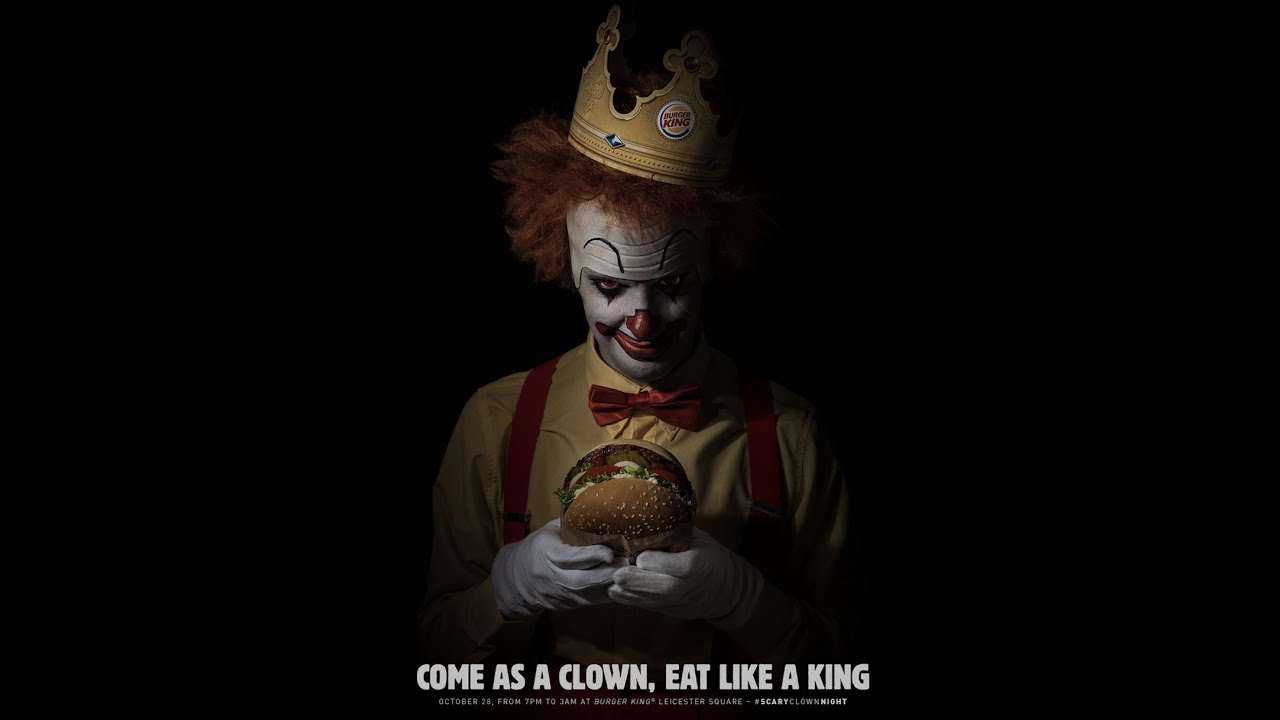 To achieve a high-end horror aesthetic, the brand hired acclaimed filmmaker Rodrigo Cortés, known for the Ryan Reynolds thriller *Buried*. The 90-second hero film featured a "Ronald" lookalike, and in a subtle act of digital trolling, the image files in press kits were reportedly tagged with the name "Ronald" in the metadata. The strategy extended to the streets, where billboards were intentionally placed directly next to McDonald’s locations to lure customers away.
Hijacking the Big Screen
In Germany, the brand took the "hack" a step further by hijacking screenings of *IT*. Just before the credits rolled, they projected a message onto the cinema screen: *"The moral is: never trust a clown."* This aggressive positioning was championed by Global CMO Fernando Machado, who pushed the brand to take risks that traditional fast-food marketing usually avoids.
The Canceled Clown Legacy
The campaign's success led to a 2020 sequel in Scandinavia called "Scary Places." Customers were invited into Burger King bathrooms to say "Canceled Clown" three times into the mirror. Using a "Bloody Mary" style mechanic, the lights would flicker to reveal a ghostly vision of the competitor's mascot, continuing the brand's tradition of using its rival as a source of horror.
Creative Strategy Deconstructed
Company
A challenger brand identity built on brave marketing and a willingness to directly troll its much larger primary competitor.
Category
Fast food marketing usually focuses on family-friendly mascots and safe, sanitized brand imagery to avoid any potential controversy.
Customer
Young audiences who find traditional corporate mascots creepy and enjoy participating in disruptive, rebellious brand moments for a reward.
Culture
The 2017 clown craze and the blockbuster release of IT turned clowns into a dominant, terrifying pop-culture obsession.
Company
A challenger brand identity built on brave marketing and a willingness to directly troll its much larger primary competitor.
Category
Fast food marketing usually focuses on family-friendly mascots and safe, sanitized brand imagery to avoid any potential controversy.
Strategy:
Weaponize a competitor's iconic mascot by reframing it as a cultural villain to drive foot traffic through participation.
Customer
Young audiences who find traditional corporate mascots creepy and enjoy participating in disruptive, rebellious brand moments for a reward.
Culture
The 2017 clown craze and the blockbuster release of IT turned clowns into a dominant, terrifying pop-culture obsession.
Strategy:
Weaponize a competitor's iconic mascot by reframing it as a cultural villain to drive foot traffic through participation.
Results
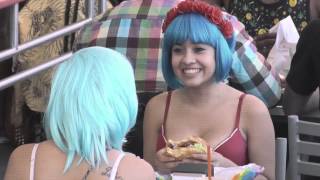
The campaign achieved massive global scale, activating in 39 countries across more than 1,500 restaurants. On Halloween night, over 110,000 clowns visited Burger King locations to claim their free Whoppers. This led to a significant commercial impact, with global sales increasing by up to 15% and restaurant traffic rising by up to 21%. The stunt generated immense media attention, resulting in 2.1 billion impressions and $22.4 million in earned media value. It was described as the most global campaign in Burger King's history.
2.1B
impressions
110,000+
clowns in restaurants
$22.4M
earned media
Strategy Technique
Roast the Competition
By turning the clown - the iconic symbol of McDonald's - into a source of fear and then feeding those clowns, Burger King positioned itself as the superior, fearless alternative.
Explore Technique
Creative Technique
Horror movie
The campaign used high-production horror cinematography to lean into the creepy clown trope, making the brand feel edgy and culturally relevant while directly referencing the competitor's mascot in a frightening context.
Explore Technique
Craft Breakdown
The campaign's success relies on a brilliant synthesis of cinematic storytelling and experiential marketing that turns a competitor's mascot into a promotional tool.
The opening trailer perfectly mimics high-end horror film aesthetics, making the brand's 'trolling' feel like a major cultural event.
Creating a global participation mechanic that turned thousands of customers into walking advertisements for the brand.
The tagline 'Come as a clown, eat like a king' is a masterclass in concise, punchy brand positioning.
Strategic timing around Halloween and the 'It' movie craze maximized the cultural relevance of the clown theme.
“The synergy between the high-production horror trailer and the raw, real-world restaurant footage creates a powerful 'expectation vs. reality' narrative that proves the campaign's impact.”