Burger King: Google Home of the Whopper
Burger King tasked David Miami with promoting Whopper ingredients using standard 15 - second TV spots. The challenge was to break through category clutter and reach tech-savvy audiences who ignore traditional ads. The brand sought to generate massive earned media by 'punching through the fourth wall' to connect directly with consumers in their living rooms.
Creative Idea
Triggered smart speakers via a TV voice command to finish a truncated product description.
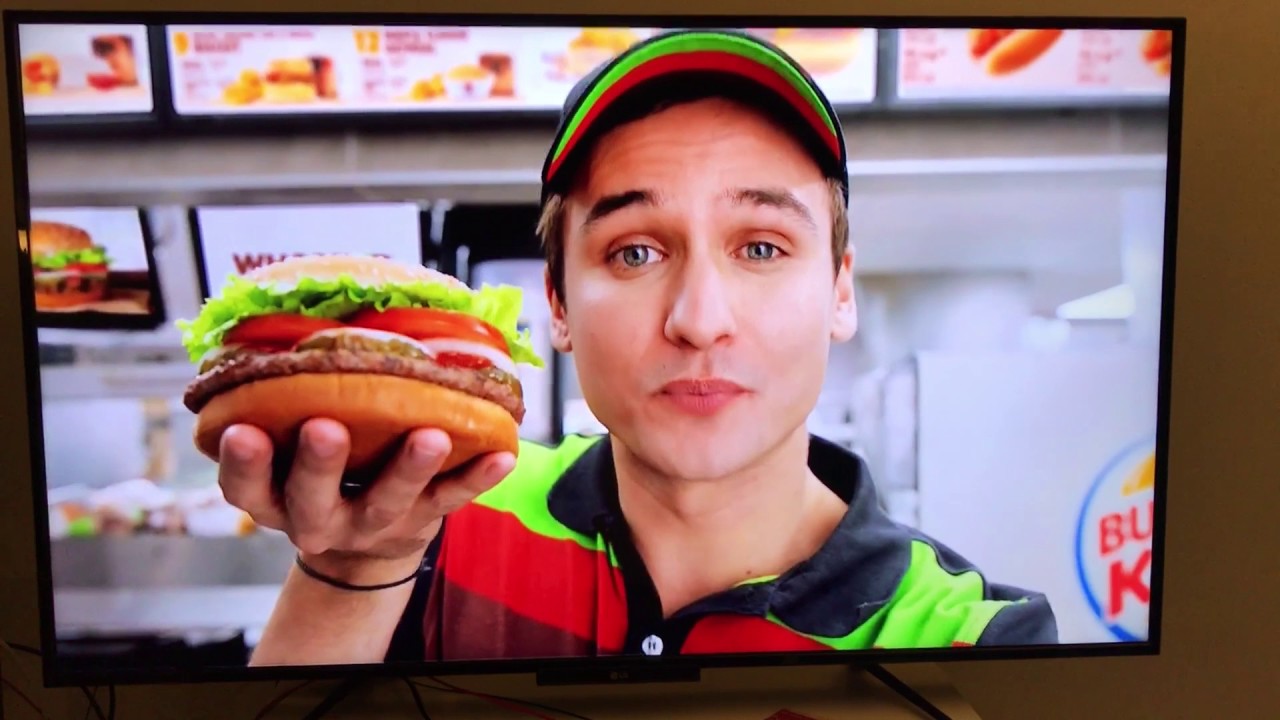
Burger King bypassed the 15 - second TV limit by using a voice command to trigger Google Home devices in viewers' homes, forcing the speakers to read the Whopper's Wikipedia entry and extending the brand's message into personal spaces.
The Fifteen Second Ad That Lasted Forever
Hacking the Living Room
The campaign was born when DAVID Miami Executive Creative Directors Juan Javier Peña and Ricardo Casal tested the voice trigger on a device at home after a soccer match. By prompting Google Home to read the Wikipedia entry for the Whopper, the team effectively doubled their airtime for free. To ensure the description sounded appetizing, Fernando Machado and his team manually edited the crowdsourced page under the username Fermachado123 just before the spot aired.
The Great Wikipedia War
 The stunt triggered an immediate "Wikipedia war" as internet trolls edited the Whopper entry in real time. For a brief window, some Google Home devices informed owners that the burger was made of cyanide, rat meat, or toenail clippings. This chaos forced Wikipedia to lock the page for the first time in history due to an advertising campaign. Despite the vandalism, the brand achieved 9.3 billion global impressions and an estimated $135 million in earned media value.
Outsmarting the Blacklist
Google was reportedly unamused and "blacklisted" the ad's audio frequency within three hours to stop the devices from responding. However, the agency had anticipated this move. They had already recorded alternate versions of the spot using different voice modulations - including robotic and high - pitched tones - to bypass Google's filters and keep the "hack" alive. This cat - and - mouse game helped the commercial become the most - watched Burger King ad of all time, driving a 300% increase in social conversation and proving that a small media buy could achieve massive cultural dominance.
Creative Strategy Deconstructed
Company
Burger King's willingness to be a challenger brand that prioritizes cultural impact over traditional media safety.
Category
Fast food brands typically compete for attention through repetitive, passive TV commercials that viewers frequently tune out.
Customer
Modern consumers live in connected homes where voice-activated assistants are always listening for specific triggers.
Culture
The rapid adoption of smart speakers created a new, unpoliced frontier for invasive but clever brand interactions.
Company
Burger King's willingness to be a challenger brand that prioritizes cultural impact over traditional media safety.
Category
Fast food brands typically compete for attention through repetitive, passive TV commercials that viewers frequently tune out.
Strategy:
Exploit cross-device connectivity to bypass traditional media constraints and force active engagement within the consumer's private environment.
Customer
Modern consumers live in connected homes where voice-activated assistants are always listening for specific triggers.
Culture
The rapid adoption of smart speakers created a new, unpoliced frontier for invasive but clever brand interactions.
Strategy:
Exploit cross-device connectivity to bypass traditional media constraints and force active engagement within the consumer's private environment.
Results
The campaign achieved 9.3 billion global impressions and generated $135 million in earned media value. It became a trending topic across YouTube, Facebook, Twitter, and Google Trends. It was recognized as the most talked-about TV spot in Burger King's history. The campaign sparked a global debate about the boundaries of advertising and invasive technology, receiving coverage from major outlets like The New York Times, Forbes, and CNN.
9.3B
global impressions
$135M
earned media
1st
most talked about BK spot
Strategy Technique
Break a Category Convention
By rejecting the limitations of a 15 - second TV slot, the brand turned a standard media buy into a disruptive technology hack that commanded attention.
Explore Technique
Creative Technique
Hijack the Medium
The campaign uses the TV medium to seize control of a secondary device, effectively hijacking the viewer's physical environment to deliver a longer message.
Explore Technique
Craft Breakdown
This campaign's brilliance lies in its technological 'hack' of the consumer environment, turning a standard 15-second media buy into a global news event through clever use of voice-activation technology.
The use of a specific audio trigger to hijack smart home devices was a pioneering and highly disruptive use of emerging tech.
The strategy turned a low-cost 15-second TV spot into millions of dollars of earned media by forcing the ad into the news cycle.
“The synergy between the technological trigger and the media strategy created a feedback loop where the ad's 'invasiveness' became its primary engine for reach.”