British Airways: Johnny Foreigner
British Airways needed to reinforce its position as the preferred airline for international travelers in 1991. The challenge was to celebrate British uniqueness and pride in a distinctive, engaging way, acknowledging national stereotypes without alienating. They wanted to demonstrate why 17 million foreign travelers chose British Airways, using humor to connect with a global audience and strengthen brand preference despite playful self-deprecation.
Creative Idea
British Airways used PJ O'Rourke to mock British quirks, proving foreigners still chose to fly with the self-aware airline.
British Airways created a humorous marketing campaign that uses self-deprecating comedy about British culture, with writer PJ O'Rourke delivering a satirical monologue that playfully highlights British quirks and contradictions. The campaign aims to celebrate British uniqueness by poking fun at national stereotypes while simultaneously showing pride, ultimately demonstrating that despite all the jokes, 17 million foreign travelers still prefer to fly British Airways.
The American Satirist Who Saved the Union Jack
A Strategic Apology for the Tail Fin Crisis
The campaign served as a vital course correction following the 1997 "World Images" rebranding disaster. After British Airways removed the Union Jack from its aircraft tails in favor of ethnic art, the brand faced a massive public backlash led by Margaret Thatcher. By hiring P.J. O’Rourke, an American political satirist, M&C Saatchi used an "outsider" perspective to validate British identity. This allowed the airline to pivot back to its national roots without appearing arrogant or nationalistic, utilizing the "stiff upper lip" and self-deprecation the public found authentic.
Satire Set to a Patriotic Hymn
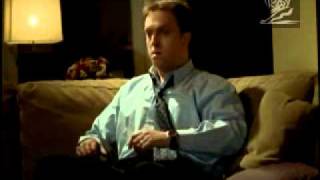
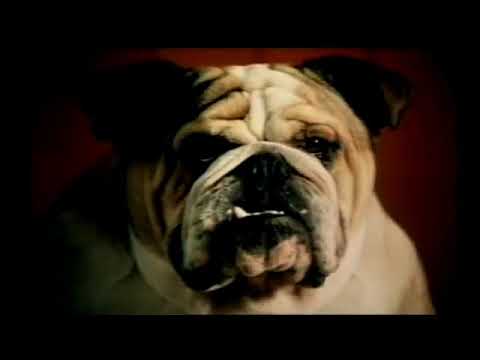
Director Chris Palmer of Gorgeous Enterprises captured O’Rourke in quintessentially British settings, delivering lines with a "twinkle in the eye" to ensure the mockery felt affectionate. The irony was heightened by the soundtrack, the patriotic hymn "I Vow to Thee, My Country," which played over observations about the British putting "cow juice" in tea or sunbathing in their clothes. The script famously acknowledged the multicultural reality of 1999, noting that the nation's most popular dish was actually curry.
Reclaiming Johnny Foreigner
The title "Johnny Foreigner" was a deliberate reclamation of a dated, disparaging British slang term. By having O’Rourke use the term to describe himself, the agency turned a potential insult into a badge of honor for the airline. The central metric - that 17 million international travelers chose BA over their own national carriers - was a direct defense of the "World’s Favourite Airline" strapline, which was then under legal challenge from Virgin Atlantic during the height of the "Dirty Tricks" era.
Creative Strategy Deconstructed
Company
British Airways possessed the unique global scale and data to claim the title of the 'World's Favourite Airline,' backed by 17 million international passengers choosing them over domestic rivals.
Category
Aviation advertising typically relied on sterile luxury, nationalistic grandeur, or corporate perfection, often feeling disconnected from the actual, messy character of the nations they represented.
Customer
The audience craved authenticity and resonated with the 'stiff upper lip' trope, finding a refreshing honesty in a brand that could laugh at its own national eccentricities.
Culture
The campaign tapped into the late 20th-century British cultural identity—a mix of post-imperial self-consciousness and a sharp, cynical wit that valued self-deprecation over arrogant chest-thumping.
Company
British Airways possessed the unique global scale and data to claim the title of the 'World's Favourite Airline,' backed by 17 million international passengers choosing them over domestic rivals.
Category
Aviation advertising typically relied on sterile luxury, nationalistic grandeur, or corporate perfection, often feeling disconnected from the actual, messy character of the nations they represented.
Strategy:
Turn national self-deprecation into a badge of global superiority to reinforce status as the world’s preferred airline.
Customer
The audience craved authenticity and resonated with the 'stiff upper lip' trope, finding a refreshing honesty in a brand that could laugh at its own national eccentricities.
Culture
The campaign tapped into the late 20th-century British cultural identity—a mix of post-imperial self-consciousness and a sharp, cynical wit that valued self-deprecation over arrogant chest-thumping.
Strategy:
Turn national self-deprecation into a badge of global superiority to reinforce status as the world’s preferred airline.
Strategy Technique
Turn Weakness Into Strength
The campaign strategically reframes British national stereotypes, which could be seen as weaknesses. It transforms them into celebrated aspects of unique identity, strengthening brand preference.
Explore Technique
Creative Technique
Honesty
British Airways honestly embraces British cultural quirks and stereotypes. This self-deprecating humor transforms potential weaknesses into a unique badge of national pride.
Explore Technique
Craft Breakdown
This campaign's exceptional craft lies in its brilliant copywriting and the masterful sound design that elevates the satirical narrative, effectively using humor to celebrate British identity through an outsider's perspective.
The script is a masterclass in dry, satirical wit, perfectly balancing condescension with a surprising, affectionate punchline that resonates deeply with the target audience's self-perception.
The precise use of sound effects, from the 'cow juice' splash to the 'bang' of lost reserve and the cricket bat crack, enhances the comedic timing and visual storytelling, making each 'quirk' more impactful.
The rapid-fire editing and quick cuts perfectly match the voiceover's observations, maintaining a brisk pace and ensuring that each visual gag lands effectively, building a compelling montage of British life.
The visual construction of each 'quirk' scene, from the period costumes in the civil war reenactment to the miniature village, is meticulously crafted to support the satirical narrative, creating an authentic yet exaggerated portrayal of British life.
“The synergy between the sharp, humorous copywriting and the perfectly timed visual and sound gags is what truly elevates this campaign, making the American narrator's critique a source of national pride.”