Budget: Aromatherapy
Budget needed to differentiate itself in 1999 by showcasing an enhanced car rental experience. The client wanted to attract customers seeking more enjoyable travel, beyond basic transport. The challenge was to communicate Budget's commitment to customer comfort and unique amenities like leather seats or CD players. The desired outcome was to increase brand preference by humorously exaggerating how Budget employees strived to make every trip better.
Creative Idea
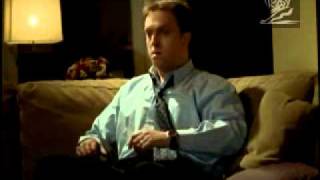
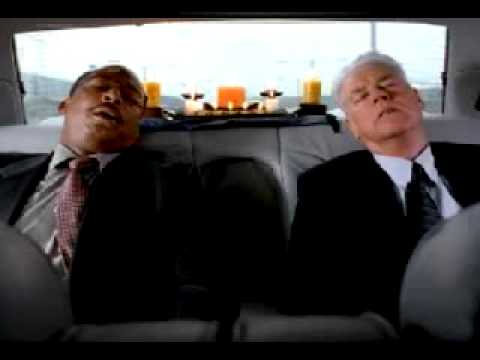
Budget featured employees brainstorming ridiculous car rental amenities, like aromatherapy.
Budget's Rent a Car campaign is focused on making the driving experience more enjoyable by offering unique car rental options with extra amenities like leather seats and CD players. The creative idea playfully exaggerates the concept of enhancing customer experience, poking fun at the notion of adding unnecessary extras like aromatherapy candles to make renting a car more appealing.
The Dark Art of Dramatizing the Negative
The MJZ Surrealist Touch
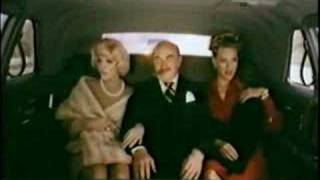
Director Rocky Morton, the visionary behind Max Headroom, brought a signature surrealist edge to the production. To capture the "Aromatherapy" crash, the crew filmed a real Jaguar on a freeway, using soft lighting and slow - motion effects to mimic a soothing, spa - like atmosphere. This "dreamy" aesthetic was designed to create a jarring, violent contrast when the car eventually swerves off the road. The agency intentionally cast actors who looked like mid - level corporate managers to ensure the parody of a "bad corporate meeting" felt painfully authentic to the Gen X audience.
A Masterclass in Anti-Advertising
The campaign arrived at the peak of Cliff Freeman and Partners' creative dominance, solidifying their reputation for "aggressive humor." While the ads mocked corporate fluff, they served a dual purpose: promoting that Budget rented high - end Jaguars for just $49 a day. By using a luxury car in a slapstick disaster, the brand positioned itself as the "smart, witty" choice for savvy travelers who hated marketing jargon. Lead actor Scott Lowell, who played the misguided brainstormer, later found fame as Ted Schmidt on Queer as Folk.
The End of an Era
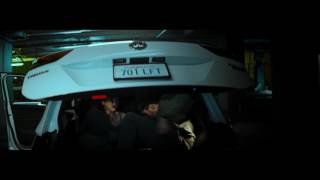
This series is often cited in advertising textbooks as the premier example of "Dramatizing the Negative" - showing the absurdity of a brand trying too hard to be a "lifestyle" provider. The "Aromatherapy" spot was part of a trio that included "Chain Letter" and "Person," where a staffer suggested hiding employees in trunks to help with luggage. These spots represent the final masterpiece of the 90s "shock" era; following the September 11 attacks, the industry saw a massive shift away from this style of dark, cynical humor.
Creative Strategy Deconstructed
Company
Budget possessed a premium fleet including Jaguars and Lincolns that they could offer at a surprisingly low price point. They had the operational capacity to provide luxury features while maintaining their core identity as a value-focused rental provider.
Category
The car rental category was historically dominated by dry, corporate messaging focused on logistics and reliability. Competitors often used earnest, high-brow imagery to sell 'premium' tiers, taking themselves and their luxury upgrades very seriously.
Customer
Travelers desired a more comfortable driving experience but were cynical about corporate 'perks' that felt like unnecessary upsells. They sought a brand that understood their practical needs without the pretentious marketing fluff often associated with luxury cars.
Culture
The late 1990s ushered in an era of ironic, self-aware advertising that rejected corporate polish. Consumers resonated with 'anti-advertising' that mocked the absurdity of marketing departments trying too hard to be trendy or lifestyle-oriented.
Company
Budget possessed a premium fleet including Jaguars and Lincolns that they could offer at a surprisingly low price point. They had the operational capacity to provide luxury features while maintaining their core identity as a value-focused rental provider.
Category
The car rental category was historically dominated by dry, corporate messaging focused on logistics and reliability. Competitors often used earnest, high-brow imagery to sell 'premium' tiers, taking themselves and their luxury upgrades very seriously.
Strategy:
Use self-deprecating humor to mock luxury gimmicks, positioning Budget as the honest provider of accessible premium driving experiences.
Customer
Travelers desired a more comfortable driving experience but were cynical about corporate 'perks' that felt like unnecessary upsells. They sought a brand that understood their practical needs without the pretentious marketing fluff often associated with luxury cars.
Culture
The late 1990s ushered in an era of ironic, self-aware advertising that rejected corporate polish. Consumers resonated with 'anti-advertising' that mocked the absurdity of marketing departments trying too hard to be trendy or lifestyle-oriented.
Strategy:
Use self-deprecating humor to mock luxury gimmicks, positioning Budget as the honest provider of accessible premium driving experiences.
Strategy Technique
Exaggerate to Reveal the Truth
Budget uses humorous exaggeration (aromatherapy) to differentiate its enhanced car rental experience. This reveals the truth that Budget offers genuinely better amenities like leather seats and CD players.
Explore Technique
Creative Technique
Make a Parody
The campaign mocks the convention of endlessly adding 'extras' by exaggerating it to absurd aromatherapy. This humorous exaggeration highlights Budget's actual commitment to desirable amenities like leather seats.
Explore Technique
Craft Breakdown
This campaign's craft is exceptional in its comedic timing and the seamless, abrupt transition between a corporate brainstorming session and its absurd, dangerous literal interpretation. It's elevated by masterful editing and sharp copywriting.
The editing is brilliant in its abrupt cuts between the meeting room and the 'imagined' car sequence, perfectly landing the comedic punchline and the sudden shift from tranquility to chaos.
The dialogue is concise and effective, building up to the 'aromatherapy candles' suggestion and delivering a clear, funny resolution with the final lines.
The actors subtly portray the initial earnestness and then the exaggerated, deep sleep in the car, followed by the dazed, sheepish reactions upon returning to reality.
The visual contrast between the stark corporate meeting room and the overly elaborate, yet dangerous, candle setup in the car interior effectively enhances the humor and absurdity of the central premise.
“The true genius of the ad lies in the synergy of sharp copywriting, committed acting, and most importantly, the precise editing that creates the humorous shock and the quick, impactful narrative twist.”