Centre Pompidou: Souvenirs De Paris
The Centre Pompidou tasked Marcel Paris with increasing international visitor numbers. Despite its world-class collection, the museum was being overlooked by tourists who prioritized landmarks like the Eiffel Tower. The challenge was to break into the rigid Parisian itinerary and convince travelers that the museum is an essential destination on par with the city's most famous monuments.
Creative Idea
Turned the museum into a street souvenir to hijack the city's established tourist routes.
To reach tourists who ignored the museum, Centre Pompidou created its own miniature souvenirs and deployed street sellers to major landmarks, using the city's own 'tourist clichés' to guide visitors back to the museum via QR codes.
The Street Hustle That Hijacked Paris
The Missing Piece of Plastic
Before this campaign, the Centre Pompidou was the only major Parisian landmark without a dedicated "cheap" street souvenir. Executive Creative Directors Youri Guerassimov and Gaëtan du Peloux identified this as a strategic void. To fill it, Marcel manufactured custom miniature versions of the iconic Renzo Piano and Richard Rogers building - a structure previously ignored by the city's unauthorized souvenir market.
Guerilla Tech and Logistics
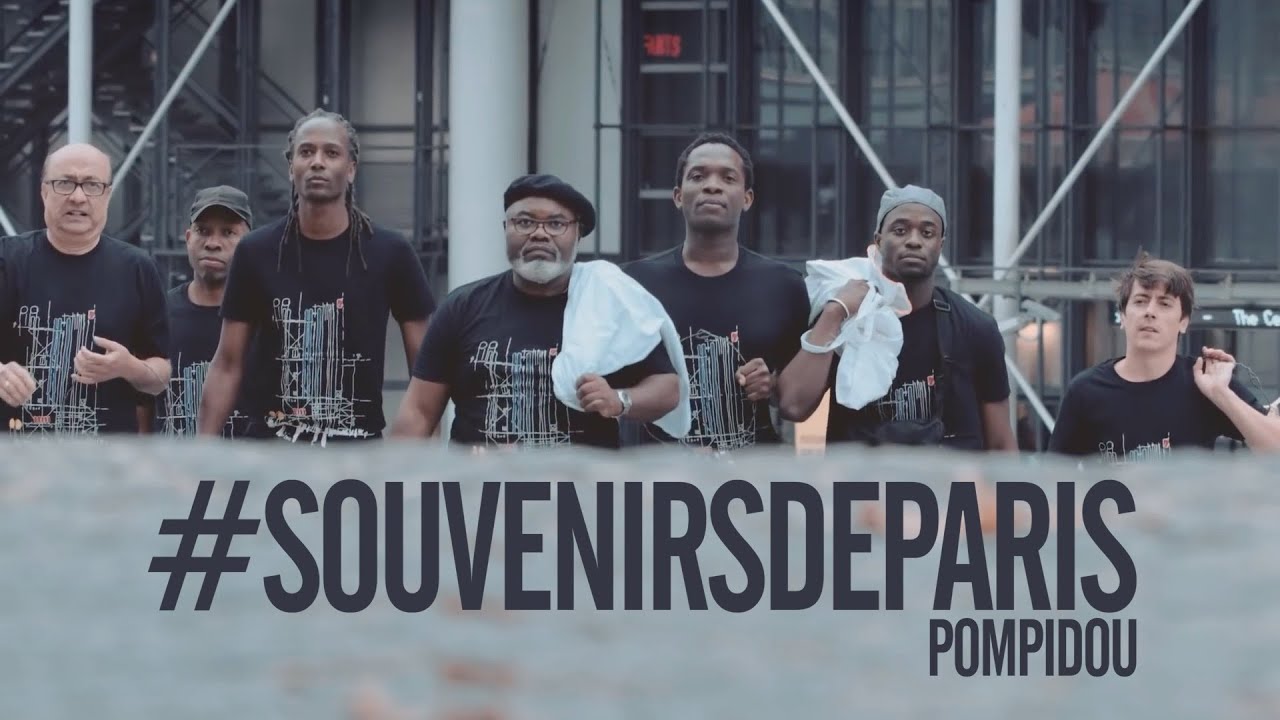
The agency deployed a "squad" of street sellers to major tourist hubs like the Eiffel Tower and Sacré Coeur. These vendors were trained as "destination marketers" to engage tourists in conversations about modern art. Each statuette featured a QR code on its base that, when scanned, provided digital directions to the museum. To further lower the barrier to entry, the campaign operated free shuttle buses that picked up tourists directly from these rival landmarks and dropped them at the museum's doors.
Subverting the Tourist Itinerary
The campaign is a landmark example of Act Marketing, where a brand creates a tangible event to generate earned media. By mimicking the "hustle" culture of illegal street vendors, the museum subverted its high-brow image to reach a broader audience. The results were immediate: the campaign video reached 1 million views in five days, eventually surpassing 3 million views. More importantly, it addressed a critical visitor gap; while 80% of Eiffel Tower visitors were international, only 40% of Pompidou visitors were from abroad prior to the launch. The "Souvenirs de Paris" initiative successfully pushed the museum into the "Top 5" most visited locations in the city.
Creative Strategy Deconstructed
Company
An iconic modern art museum with a unique architectural design that was under-recognized by international tourists.
Category
Museums typically rely on traditional advertising and official maps to attract visitors in a crowded tourist market.
Customer
Tourists follow established 'must-see' routes and buy cheap miniature statuettes as proof of their visit to iconic landmarks.
Culture
The ubiquitous presence of unauthorized street sellers is an unavoidable part of the Parisian tourist experience.
Company
An iconic modern art museum with a unique architectural design that was under-recognized by international tourists.
Category
Museums typically rely on traditional advertising and official maps to attract visitors in a crowded tourist market.
Strategy:
Infiltrate established consumer rituals by mimicking the unofficial commerce of dominant competitors to redirect audience attention.
Customer
Tourists follow established 'must-see' routes and buy cheap miniature statuettes as proof of their visit to iconic landmarks.
Culture
The ubiquitous presence of unauthorized street sellers is an unavoidable part of the Parisian tourist experience.
Strategy:
Infiltrate established consumer rituals by mimicking the unofficial commerce of dominant competitors to redirect audience attention.
Results
The campaign successfully integrated the Centre Pompidou into the 'Big Five' must-see landmarks of Paris. By utilizing street sellers and souvenir shops, they reached thousands of tourists at the point of interest. The video highlights a significant shift in tourist awareness, with visitors now including the museum on their 'must-see' lists. Specific metrics mentioned include the creation of a free shuttle service to handle the influx of visitors and the successful distribution of statuettes across major Parisian souvenir hubs. The campaign resulted in a visible increase in diverse, international crowds entering the museum.
5
landmarks in the 'Big Five' list
100%
integration into street souvenir market
Strategy Technique
Borrow Equity
By adopting the visual language and distribution methods of Paris's most famous landmarks, the museum successfully positioned itself as an essential part of the city's iconic tourist itinerary.
Explore Technique
Creative Technique
Hijack the Medium
The campaign hijacked the unofficial street souvenir market, a medium usually reserved for the Eiffel Tower, to insert the museum into the 'must-see' tourist circuit through a familiar physical touchpoint.
Explore Technique
Craft Breakdown
This campaign excels by turning a marketing weakness (being a 'tourist trap') into a creative strength through physical product design and experiential street marketing.
The use of street sellers as art history ambassadors transformed a nuisance into a high-value educational touchpoint.
The creation of a physical, high-quality metal statuette that functioned as a digital key (QR code) bridged the gap between souvenir and utility.
The script cleverly positions the museum alongside the 'Big Five' landmarks, creating a new mental category for tourists.
Placing the 'ads' (the sellers and souvenirs) exactly where the target audience is most concentrated—at competing landmarks—was brilliant.
“The synergy between the physical product design and the human-led street activation created a seamless journey from the street to the museum gallery.”