Warsaw Ghetto Museum: Museum of Thousands of Names
The Warsaw Ghetto Museum needed an identity that could speak to the unspeakable tragedy of 450,000 victims, honoring each individual lost. They sought a powerful, respectful, and memorable brand system to engage the public and ensure no one was forgotten.
Creative Idea
The museum's identity was built from unique initial-based logos, each representing a Ghetto victim.
The Warsaw Ghetto Museum created a dynamic, evolving identity by dedicating itself to every single victim, using unique initial-based 'memotypes' from Yiddish and Latin letters to form a logo for each person, ensuring individual remembrance and dignity amidst immense loss.
450000 Logos for 450000 Human Beings
Reclaiming Identity from Numbers
The creative team at DADADA Studio and Rosencrantz & Guildenstern sought to reverse the dehumanization of the Holocaust. While totalitarian regimes used numbers to erase individuality, this campaign utilized generative design to restore it. The "memotypes" are not random; they are a systematic fusion of Yiddish and Latin characters. This dual-alphabet approach honors the victims' cultural heritage while ensuring the brand remains accessible to a modern, international audience.
A Living Museum in a Surviving Hospital
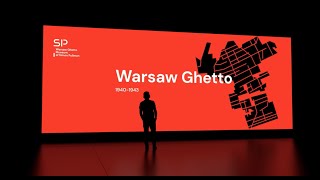 The museum's physical location adds a layer of poignancy to the "Museum of Thousands of Names" concept. It is housed in the former Bersohn and Bauman Children's Hospital, one of the few structures to survive the ghetto’s destruction. Creative Directors Martynas Birškys and Rytis Juodeika designed the identity to be as resilient as the architecture, ensuring the logo cycles through different names in digital applications so that the brand itself is never static.
Global Resonance and Educational Impact
Beyond its visual execution, the project has become a benchmark for "Design for Good." It is frequently used in educational settings to demonstrate how data-driven design can humanize historical statistics. The campaign reached millions of creative professionals through features in Ad Age and It’s Nice That, shifting the industry standard for historical branding. Museum Director Albert Stankowski noted that the identity serves as a bridge, linking personal memories of the past to the collective memory of the present. This fluid, modern approach challenged the traditional, somber "static" branding typically associated with Holocaust memorials.
Creative Strategy Deconstructed
Company
The Warsaw Ghetto Museum possessed a profound mission to honor every individual victim of the Holocaust, seeking an identity reflecting this commitment.
Category
Museums, especially historical ones, typically adopt static, institutional identities, often struggling to convey individual human stories within mass tragedies.
Customer
Audiences sought a deeper, more personal connection to the Warsaw Ghetto tragedy, desiring to remember individual lives rather than just statistics.
Culture
A cultural emphasis on individual identity and personalized remembrance provided a powerful context for honoring each victim's unique story.
Company
The Warsaw Ghetto Museum possessed a profound mission to honor every individual victim of the Holocaust, seeking an identity reflecting this commitment.
Category
Museums, especially historical ones, typically adopt static, institutional identities, often struggling to convey individual human stories within mass tragedies.
Strategy:
Personalize mass tragedy through individual identity to ensure remembrance and restore dignity to each lost life.
Customer
Audiences sought a deeper, more personal connection to the Warsaw Ghetto tragedy, desiring to remember individual lives rather than just statistics.
Culture
A cultural emphasis on individual identity and personalized remembrance provided a powerful context for honoring each victim's unique story.
Strategy:
Personalize mass tragedy through individual identity to ensure remembrance and restore dignity to each lost life.
Strategy Technique
Make the Invisible Visible
The strategy made the immense, abstract loss of 450,000 lives visible by giving each victim a unique identity. This personalized approach transformed an unspeakable tragedy into a tangible, individual act of remembrance.
Explore Technique
Creative Technique
Customize and personalize
The campaign created unique 'memotypes' - initial-based logos - for each of the 450,000 victims. This personalized approach ensures every individual is remembered, transforming the museum's identity into a dynamic tribute.
Explore Technique
Craft Breakdown
This campaign's craft is exceptional in its profound and sensitive approach to memorializing a historical tragedy through an innovative identity system, particularly its unique 'memotypes' that imbue individual dignity upon the victims.
The innovative creation of personalized 'memotypes' derived from the Yiddish alphabet provides a unique and deeply symbolic typographic system that gives individual dignity and identity to each victim.
The sophisticated and sensitive art direction masterfully blends historical gravity with a contemporary, minimalist aesthetic, using a historically inspired color palette to create a cohesive and deeply respectful visual language across all museum touchpoints.
“The true power of this campaign lies in the synergy between the deeply meaningful concept of individual remembrance, the innovative typographic system, the sophisticated art direction, and the evocative historical music, all working together to ensure 'no one can be forgotten'.”