GRAACC: Bald Cartoons
GRAACC sought an innovative campaign to combat the social stigma and emotional distress experienced by child cancer patients due to hair loss. They aimed to foster greater public empathy, reduce prejudice, and empower these young individuals by normalizing their appearance.
Creative Idea
Famous cartoon characters went bald, normalizing hair loss and empowering child cancer patients.
GRAACC made beloved cartoon characters bald to normalize the appearance of children with cancer, fostering empathy and empowering young patients by reflecting their reality in popular media, making them feel seen and accepted.
Shaving the World's Most Famous Heads
The No Explanation Rule
The production's most radical choice was the "No Explanation" rule. To truly normalize hair loss, Ogilvy Brasil and participating studios agreed that characters like Snoopy, Garfield, and Hello Kitty would appear in their regular television episodes without any dialogue or plot points addressing their new appearance. By treating baldness as a non-event within the show's universe, the campaign mirrored the goal of making it a non-issue in the real world. This required unprecedented cooperation between rival networks Cartoon Network and Nickelodeon, who waived licensing fees for their multi-billion dollar IPs.
Global Reach Without a Media Budget
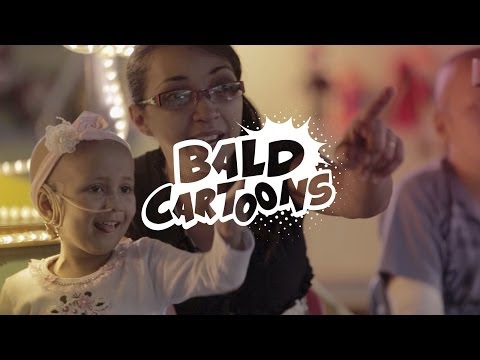 Despite having no traditional media spend, the movement reached 230 million people globally. In Brazil, the impact was nearly universal, with 91% of social media users engaging with the campaign. The momentum started when Mauricio de Sousa, the creator of Monica's Gang, became the first to sign on. His endorsement provided the leverage needed to secure international partners like Blue Sky Studios, who rendered the lead characters of the film *Rio 2* bald specifically for the Brazilian theatrical release.
From Pity to Solidarity
The campaign shifted the institutional narrative of GRAACC from one of "pity" to one of "solidarity." Beyond the digital avatars, the message reached the highest levels of government, with the President of Brazil and football icons like Neymar Jr. endorsing the cause. While the primary goal was emotional empowerment, the hospital reported a significant surge in institutional support and public awareness that the cure rate for childhood cancer is approximately 70% when detected early. As one young patient noted, the sight of bald heroes meant they no longer felt the need to hide under hats at school.
Creative Strategy Deconstructed
Company
GRAACC, a leading children's cancer institution, leveraged its trust and network to unite major media and cartoon brands for a shared cause.
Category
Children's entertainment typically portrays characters with full hair, reinforcing conventional beauty standards and avoiding visible illness.
Customer
Children with cancer felt isolated and stigmatized by their baldness, longing for acceptance and to be seen as normal, not just sick.
Culture
A cultural shift towards greater inclusivity and the recognized power of media to normalize diverse representations for vulnerable groups.
Company
GRAACC, a leading children's cancer institution, leveraged its trust and network to unite major media and cartoon brands for a shared cause.
Category
Children's entertainment typically portrays characters with full hair, reinforcing conventional beauty standards and avoiding visible illness.
Strategy:
Normalize visible differences through popular media representation to foster empathy and empower marginalized groups.
Customer
Children with cancer felt isolated and stigmatized by their baldness, longing for acceptance and to be seen as normal, not just sick.
Culture
A cultural shift towards greater inclusivity and the recognized power of media to normalize diverse representations for vulnerable groups.
Strategy:
Normalize visible differences through popular media representation to foster empathy and empower marginalized groups.
Results
The campaign achieved significant public support, with 91% of Brazilians on social media backing the initiative. It impacted 120 million people. The President of Brazil, Dilma Rousseff, publicly supported the campaign via Twitter.
91%
Brazilians on social media supported the campaign
120M
people impacted
1
Presidential endorsement
Strategy Technique
Attack a Cultural Blind Spot
The campaign highlighted the often-unacknowledged prejudice and discomfort faced by bald children with cancer. It forced society to confront and normalize an appearance previously seen as 'different' or 'sick'.
Explore Technique
Creative Technique
Fight prejudice
The campaign directly tackled the social stigma and discomfort children with cancer faced due to hair loss. By making beloved characters bald, it challenged negative perceptions and promoted acceptance.
Explore Technique
Craft Breakdown
This campaign's craft is exceptional in its ability to transform a sensitive issue into an empowering movement through creative visual adaptation and strategic media partnerships, making the abstract concept of empathy tangible for children.
The core of the campaign involved skillfully re-imagining and animating iconic cartoon characters as bald, requiring a deep understanding of each character's distinct style while maintaining their recognizability and charm.
The art direction successfully maintained the integrity of diverse cartoon styles while unifying them under the 'bald' theme, and seamlessly integrating these animated elements with live-action footage for emotional impact.
The campaign demonstrated strong media planning by securing widespread participation from major cartoon networks and production companies, ensuring broad reach and cultural resonance across Brazil.
The simple yet profound tagline "A criança com câncer merece ser vista como qualquer outra criança" and the direct call to action, along with the children's heartfelt testimonials, effectively conveyed the campaign's message and emotional core.