Reporters Without Borders: The First Speech
Reporters Without Borders Germany tasked Innocean Berlin with creating a campaign to highlight the vital importance of a free press. They aimed to remind the public, particularly potential donors, about the dangers of unchecked power and the erosion of democracy, especially during a pivotal global election year.
Creative Idea
Juxtaposed a leader's hopeful past speech with current bleak visuals to reveal truth.
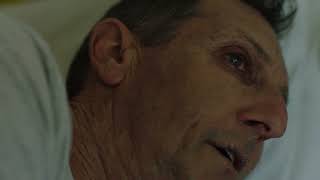
Reporters Without Borders juxtaposed Vladimir Putin's optimistic 2000 inaugural speech with stark, contemporary visuals of Russian life to expose the profound gap between political promises and reality, powerfully underscoring the critical role of a free press in revealing truth.
The Inaugural Speeches That Triggered State Censorship
A Global Warning During Election Year
Launched in April 2024 to coincide with the most significant electoral year in history, the campaign targeted a global audience of 4 billion potential voters. While the primary market was Germany, the films achieved a massive reach of over 362 million people through earned media. The most striking metric of success came not from a spreadsheet, but from the Kremlin; within days of the launch, the Russian government blocked access to the RSF website, effectively validating the campaign's message about the fragility of truth under autocratic rule.
Sourcing the Architecture of Deception
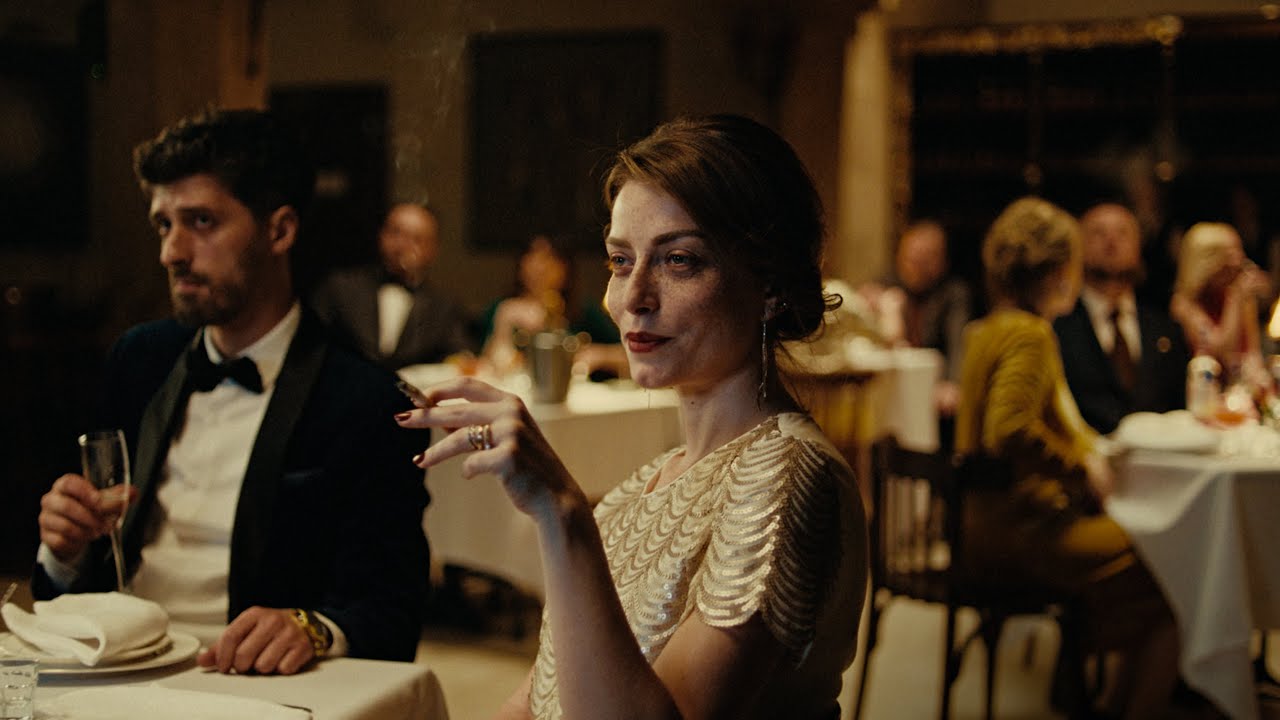 The production team, led by director Giordano Maestrelli and Innocean Berlin CCO Gabriel Mattar, avoided traditional "charity tropes" like showing overt suffering. Instead, they meticulously sourced original archival audio from the first inaugural speeches of Vladimir Putin (2000), Recep Tayyip Erdoğan (2003), and Nicolás Maduro (2013). To maintain an authentic yet safe aesthetic, the team filmed in Georgia, Brazil, and Portugal to stand in for the regimes depicted.
Crafting a Visual Stagnation
The films utilize a specific analog cinema feel with a desaturated, gritty palette designed by colorist Joseph Bicknell at Company 3. This "visual stagnation" was intended to contrast the hopeful, uplifting music of the opening seconds with the grim reality of the leaders' legacies. As Maestrelli noted, the goal was to plant a "seed of doubt" by showing how autocrats use the very language of democracy to dismantle it from within. The print execution furthered this irony by pairing the leaders' "pretty words" with World Press Photo winning imagery of journalists being detained.
Creative Strategy Deconstructed
Company
Reporters Without Borders possessed the credibility and mission to expose abuses of power and advocate for journalistic integrity worldwide.
Category
The human rights category often relies on direct emotional appeals or showcasing suffering, but this campaign chose a more intellectual, revealing approach.
Customer
Audiences felt a growing distrust in political rhetoric and a deep-seated desire for transparency amidst rising global authoritarianism and misinformation.
Culture
The global political climate, marked by numerous elections and increasing autocratic tendencies, made the message about press freedom incredibly timely.
Company
Reporters Without Borders possessed the credibility and mission to expose abuses of power and advocate for journalistic integrity worldwide.
Category
The human rights category often relies on direct emotional appeals or showcasing suffering, but this campaign chose a more intellectual, revealing approach.
Strategy:
Expose the deceptive nature of political rhetoric by contrasting past promises with present reality.
Customer
Audiences felt a growing distrust in political rhetoric and a deep-seated desire for transparency amidst rising global authoritarianism and misinformation.
Culture
The global political climate, marked by numerous elections and increasing autocratic tendencies, made the message about press freedom incredibly timely.
Strategy:
Expose the deceptive nature of political rhetoric by contrasting past promises with present reality.
Strategy Technique
Create Contrast
The campaign masterfully contrasts optimistic political rhetoric with bleak visual realities. This stark difference highlights the urgent need for a free press to expose the truth.
Explore Technique
Creative Technique
Reverse Expectations
The campaign initially presents a hopeful speech, then reveals its deceptive origin and stark contrast with reality. This reversal creates a powerful, unsettling realization for the audience.
Explore Technique
Craft Breakdown
This campaign's craft is exceptional in its masterful use of cinematography and art direction to create a powerful visual counter-narrative to the voiceover, elevating the message beyond mere words.
The cinematography uses a gritty, realistic style with evocative framing, naturalistic lighting, and a desaturated color palette to convey a pervasive sense of decay, struggle, and disillusionment, directly contradicting the optimistic speech.
The meticulous selection of dilapidated, worn-out, and unglamorous settings, along with authentic costuming, powerfully reinforces the visual narrative of stagnation and decline.
The subtle integration of ambient sounds (boiling kettle, machinery, radio static) with the voiceover and melancholic music creates an immersive and emotionally resonant atmosphere.
The nuanced and understated performances of the diverse cast, particularly their expressions of weariness, hope, and eventual disillusionment, are crucial to the ad's emotional impact.
“The campaign's power comes from the profound synergy between the optimistic voiceover, the melancholic music, and the visually decaying world, creating a stark and impactful contrast that highlights the message of lost freedom.”