NZ Transport Agency: Let Driving Distract You
The NZ Transport Agency needed to significantly reduce phone-related driver distraction. They aimed to make drivers understand the profound danger of divided attention, shifting behavior away from phone use behind the wheel among all road users.
Creative Idea
The campaign simulated overwhelming phone distractions to reveal the impossibility of safe driving.
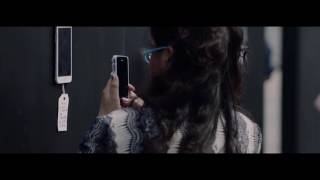
The campaign immersed viewers in a relentless, overwhelming barrage of phone notifications, social media alerts, and digital chatter, powerfully demonstrating the impossible task of focusing on driving amidst such constant digital distraction and urging them to put their phones away.
Turning the Car Into a Digital Sanctuary
The Psychological Flip
Creative Director Brigid Alkema and the team at Clemenger BBDO Wellington realized that young drivers felt "enslaved" by their phones but were desensitized to traditional "shock and gore" road safety ads. They pivoted the strategy toward a psychological benefit: positioning the car as the only place where a person has a "legitimate excuse" to ignore the world. By framing phone - free driving as a form of self - care and liberation rather than a legal obligation, the campaign tapped into the global "digital detox" trend.
Simulating the Attention Economy
 To make the audience feel the weight of cognitive load, Director Jakob Marky and sound designer Cam Ballantyne used a relentless, overlapping barrage of haptic buzzes and digital pings. This audio - visual simulation was designed to trigger "digital burnout" in the viewer. Lead actor Daniel Fernandez portrayed the "Mime/Business Man" in these sequences to physically manifest the intrusive nature of notifications. The production even extended this irony to social media, using the tagline: "All power to you checking those likes in the shower, just not behind the wheel."
From Airwaves to Classrooms
The campaign's impact extended far beyond a standard TV buy. It was integrated into the NCEA Level 2 Statistics curriculum in New Zealand schools, where students analyzed the campaign's data on reaction times. Furthermore, the NZ Police shifted their enforcement strategy in 2021, using a dedicated resource pack to turn roadside stops into positive conversations about "phone - free driving" rather than purely punitive interactions. The messaging proved so durable that regional councils were still running the "Let Driving Distract You" assets three years after the initial launch.
Creative Strategy Deconstructed
Company
NZ Transport Agency had the authority and mission to educate the public on critical road safety issues.
Category
Road safety campaigns typically relied on graphic accident imagery or dry statistics to convey danger.
Customer
Drivers were addicted to their phones, often underestimating the profound cognitive distraction they caused behind the wheel.
Culture
The omnipresent culture of constant digital connection and fear of missing out made phone use habitual.
Company
NZ Transport Agency had the authority and mission to educate the public on critical road safety issues.
Category
Road safety campaigns typically relied on graphic accident imagery or dry statistics to convey danger.
Strategy:
Expose the overwhelming cognitive load of digital distractions to highlight the danger of divided attention.
Customer
Drivers were addicted to their phones, often underestimating the profound cognitive distraction they caused behind the wheel.
Culture
The omnipresent culture of constant digital connection and fear of missing out made phone use habitual.
Strategy:
Expose the overwhelming cognitive load of digital distractions to highlight the danger of divided attention.
Strategy Technique
Exaggerate to Reveal the Truth
The campaign exaggerates the sheer volume and urgency of phone notifications to an overwhelming degree. This makes the undeniable truth of how distracting and dangerous phones are while driving impossible to ignore.
Explore Technique
Creative Technique
Dramatize the Problem
The campaign vividly simulates the constant, overwhelming stream of phone notifications and sounds. This directly dramatizes the dangerous cognitive load and distraction phones create for drivers.
Explore Technique
Craft Breakdown
This campaign's craft is exceptional in its clear and effective communication, seamlessly integrating various visual formats to deliver complex safety information in an engaging and memorable way. The editing and educational design are particularly noteworthy.
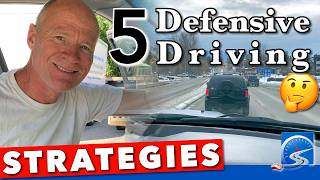
The campaign excels at breaking down complex defensive driving principles into digestible, actionable tips, using a combination of direct address, real-world examples, and visual aids.
The editing skillfully interweaves speaking segments, dashcam footage, animated overlays, historical clips, and cartoon animation, maintaining viewer engagement while clearly illustrating each point.
The clear, concise language and memorable mnemonics (like 'Space Invaders' and 'Check Yourself, Before you Wreck Yourself') make the safety tips easy to understand and recall.
The effective use of on-screen text, arrows, and integrated historical and animated footage enhances the clarity and impact of the educational content without distracting from it.
“The campaign's strength lies in the synergistic combination of its educational design, precise editing, clear copywriting, and appropriate visual effects, all working together to effectively teach critical driving skills.”