Rialto Channel: The Breast Cancer Screenings
Rialto Channel and Ascendant Dx sought to address low participation in breast cancer screenings due to discomfort. They aimed to engage women in a unique research initiative, promoting an easier detection method while generating awareness for the scientific breakthrough and the channel's role in facilitating it.
Creative Idea
Emotional films were used to collect tears for innovative breast cancer detection research.
Rialto Channel partnered with Ascendant Dx to host "The Breast Cancer Screenings," using emotional films in cinemas to make women cry, collecting tears for early breast cancer detection research. This ingeniously transformed entertainment into a comfortable, non-invasive health screening method, leveraging storytelling's power for a critical medical breakthrough.
Harvesting Five Hundred Tears for Science
The Efficiency of Tear Farming
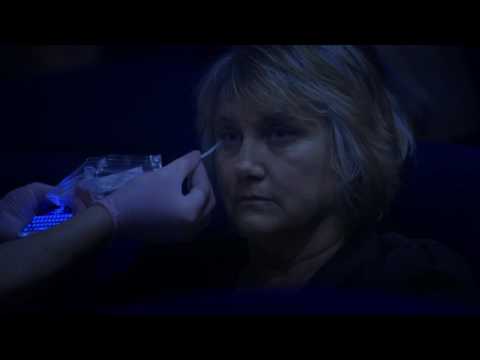
While traditional clinical studies often take months to recruit participants, DDB Group New Zealand transformed a cinema into a high - speed laboratory. By screening emotional "tearjerkers" like Brooklyn and Suffragette, researchers from Ascendant Dx (now Namida Lab) collected 500 tear samples in a single day. This "tear farming" method utilized Schirmer strips - specialized filter paper placed inside the lower eyelid - to capture biomarkers like S100A8 and S100A9. These proteins can indicate the presence of breast cancer with a potential 90% accuracy rate, offering a non - invasive alternative for women with dense breast tissue where mammograms often fail.
Creative Utility and Commercial Lift
 The campaign moved beyond traditional awareness by providing "unexpected utility," a term now used in the industry to describe brands that offer genuine services. Helene Ravlich, a cancer survivor and film blogger, curated the lineup to ensure maximum emotional resonance. The strategy proved commercially viable as well as scientific; Rialto Channel saw an 8% revenue increase during the campaign period, and every screening session was completely sold out.
A Global Scientific Catalyst
The data gathered in Auckland provided the foundation for the development of Aria, a tear - based diagnostic test. Omid Moghadam, CEO of Ascendant Dx, noted that the event "democratizes breast cancer screening" by proving that medical research can be integrated into everyday life. The project’s success sparked global inquiries from health organizations looking to replicate the cinema - research model, shifting Rialto’s brand perception from a passive broadcaster to a proactive partner in medical innovation.
Creative Strategy Deconstructed
Company
Rialto Channel possessed a curated library of emotional films and the ability to host public screenings, while Ascendant Dx had the scientific breakthrough.
Category
Breast cancer screenings were typically invasive and uncomfortable, leading many women to delay or avoid them, despite their critical importance.
Customer
Women desired a less invasive, more comfortable, and accessible method for breast cancer screening, and were willing to participate in meaningful research.
Culture
Culture values powerful storytelling and seeks innovative, less daunting solutions for health challenges, especially those impacting women's well-being.
Company
Rialto Channel possessed a curated library of emotional films and the ability to host public screenings, while Ascendant Dx had the scientific breakthrough.
Category
Breast cancer screenings were typically invasive and uncomfortable, leading many women to delay or avoid them, despite their critical importance.
Strategy:
Leverage emotional engagement to transform a daunting health challenge into a comfortable, participatory research opportunity.
Customer
Women desired a less invasive, more comfortable, and accessible method for breast cancer screening, and were willing to participate in meaningful research.
Culture
Culture values powerful storytelling and seeks innovative, less daunting solutions for health challenges, especially those impacting women's well-being.
Strategy:
Leverage emotional engagement to transform a daunting health challenge into a comfortable, participatory research opportunity.
Strategy Technique
Build an Utility, Not an Ad
The campaign created a functional event - "The Breast Cancer Screenings" - that served as a research tool for Ascendant Dx. It provided a novel, comfortable way for women to contribute to medical science, making the campaign itself a valuable service.
Explore Technique
Creative Technique
Conduct an Experiment
The campaign literally conducted a research experiment, inviting women to a cinema to watch emotional films. Researchers then collected their tears to analyze for breast cancer detection, turning a passive activity into active data collection.
Explore Technique
Craft Breakdown
This campaign transforms a cinema into a medical research tool - using emotional film screenings to collect tears for breast cancer biomarker detection, merging biotechnology with experiential event design.
Developing a method to detect breast cancer biomarkers from tears collected during emotional film screenings represents genuinely pioneering biotech applied as a campaign mechanic.
The intimate cinema setting was carefully designed to feel warm and respectful rather than clinical, making participants comfortable enough to cry openly while researchers collected samples.