Network Rail: Rail Clock
Network Rail commissioned Design Bridge and Partners to address the lack of visual and functional consistency across Britain's rail network. The client sought a design solution to unify the passenger experience for the railway's 200th anniversary. The objective was to create a standardized, recognizable timepiece that would serve as a reliable, iconic anchor for millions of daily commuters across all major stations.
Creative Idea
The iconic railway double arrow logo was cleverly redesigned into a functional clock face.
Network Rail unified the passenger experience by transforming the iconic double arrow symbol into a functional, standardized national timepiece, turning a mundane station necessity into a cohesive design statement that celebrates 200 years of railway history.
Designing the Future of British Time
A Competition of Global Proportions
The project originated from an intense, anonymous design competition that drew over 100 entries from 14 countries. In a display of creative dominance, Design Bridge and Partners managed to secure two of the five final shortlist spots, ultimately winning with a design that balanced modern legibility with deep historical reverence. The selection process was overseen by the Royal Institute of British Architects (RIBA), ensuring the timepiece would function as a piece of public infrastructure as much as a branding exercise.
Honoring the Double Arrow
The design process involved direct consultation with Gerry Barney, the legendary graphic designer who created the original British Rail Double Arrow logo in 1965. His endorsement was pivotal in ensuring the new clock felt like a natural evolution of the network's visual identity. Furthermore, the project utilized Rail Alphabet 2, a typeface digitized by Henrik Kubel and overseen by original co-creator Margaret Calvert. This collaboration bridged six decades of design history, connecting the mid-century aesthetic of the original rail identity with the digital requirements of 2025.
From Station Hubs to Smartwatches
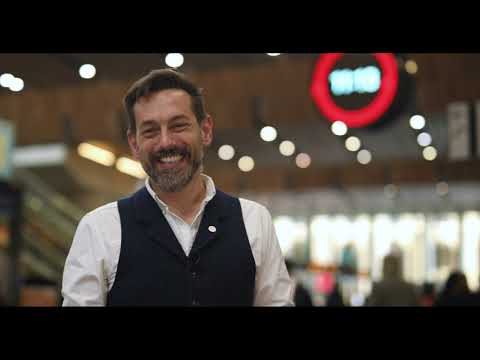
Beyond the physical 1.8-meter-diameter installations at major hubs like London Bridge, Waterloo, and Victoria, the campaign achieved significant digital penetration. The clock was engineered for integration into Customer Information Screens and released as a downloadable smartwatch face. The cultural resonance was immediate; a limited-edition merchandise capsule sold at the Design Museum pop-up store at London Bridge station sold out entirely within two days, proving that the public’s connection to railway heritage remains a powerful driver of engagement.
Creative Strategy Deconstructed
Company
Network Rail possessed the unique authority to standardize timekeeping across the entire national rail infrastructure.
Category
Railway operators typically rely on fragmented, inconsistent signage and disparate information displays across different station locations.
Customer
Commuters needed clarity and a unified sense of reliability during their daily journeys through busy transit hubs.
Culture
The 200th anniversary of the first public passenger railway provided the perfect context for a legacy-defining design update.
Company
Network Rail possessed the unique authority to standardize timekeeping across the entire national rail infrastructure.
Category
Railway operators typically rely on fragmented, inconsistent signage and disparate information displays across different station locations.
Strategy:
Unify fragmented user experiences by embedding brand identity into essential, high-utility infrastructure.
Customer
Commuters needed clarity and a unified sense of reliability during their daily journeys through busy transit hubs.
Culture
The 200th anniversary of the first public passenger railway provided the perfect context for a legacy-defining design update.
Strategy:
Unify fragmented user experiences by embedding brand identity into essential, high-utility infrastructure.
Strategy Technique
Build an Utility, Not an Ad
By creating a standardized clock that serves a genuine passenger need, the brand becomes essential to the daily commute. It solves the problem of fragmented station information through functional design.
Explore Technique
Creative Technique
Turn Message into Product
The agency transformed the railway's most iconic brand symbol into a functional, everyday object. This turns a static logo into a useful tool that passengers interact with constantly.
Explore Technique
Craft Breakdown
This campaign stands out for its exceptional design integration, seamlessly blending British rail heritage with modern digital utility.
The clever transformation of the classic double arrow logo into a functional digital clock face is a masterclass in brand heritage modernization.
The physical installation of the clock serves as a landmark meeting point, enhancing the commuter experience at London Bridge.