DPLA - The Banned Book Club
The Digital Public Library of America (DPLA) needed to combat the escalating national crisis of book banning, which was limiting access to diverse voices in public libraries. They aimed to uphold intellectual freedom and ensure books remained available to all, targeting affected communities and free speech advocates.
Creative Idea
DPLA used geo-fencing to digitally "unban" books in libraries where they were removed.
The DPLA created a dynamic database of banned books and geo-fenced libraries where they were removed, making those books digitally available to anyone within those locations, effectively fighting censorship and upholding intellectual freedom.
Digital Access Where Physical Shelves Went Bare
The Presidential Pivot to TikTok
The campaign’s visibility skyrocketed through a viral partnership with President Barack Obama. Beyond a traditional endorsement, Obama appeared in TikToks alongside the Kankakee Public Library and Harris County Public Library to promote the "freedom to read." This high - profile digital push was amplified by a parallel movement led by LeVar Burton, who mobilized over 175 celebrities - including Ariana Grande and Guillermo del Toro - to sign an open letter against censorship, turning a library initiative into a national cultural flashpoint.
Turning Censorship into a GPS Trigger
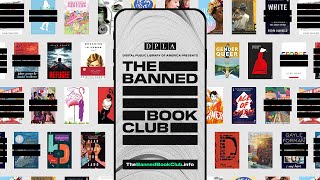 The technical execution relied on a dynamic database that cross - referenced every banned title in America with the exact GPS coordinates of the libraries that removed them. By geo - fencing 2,314 libraries across more than 20 states, the team at FCB Chicago ensured that whenever a user entered a "censorship zone," they received a targeted social media ad. These ads served as a digital rescue mission, offering a virtual library card through the Palace app - a non - profit e - reader designed to bypass local inventory restrictions.
Reclaiming the Narrative of the Burn
The production of the case study intentionally leaned into the high - stakes emotion of the era, opening with a chilling clip of a book - banning advocate stating, "I would burn them." By positioning digital access as an unburnable alternative, the DPLA transformed a record - breaking year of censorship - 3,059 books banned in 2023 - into a utility - based protest. The collection eventually grew to over 1,300 titles, ensuring that stories from Black, Brown, and LGBTQIA+ authors remained accessible even in the most restrictive jurisdictions.
Creative Strategy Deconstructed
Company
The Digital Public Library of America leveraged its expertise in digital content and library networks to provide widespread access.
Category
Libraries typically remove banned books from physical shelves, creating a void in access and intellectual freedom.
Customer
Readers felt frustrated and disempowered by censorship, desiring continued access to diverse voices and information.
Culture
The escalating national crisis of book banning and censorship created an urgent cultural need for intervention and advocacy.
Company
The Digital Public Library of America leveraged its expertise in digital content and library networks to provide widespread access.
Category
Libraries typically remove banned books from physical shelves, creating a void in access and intellectual freedom.
Strategy:
Empower access to suppressed information by leveraging digital infrastructure against physical censorship.
Customer
Readers felt frustrated and disempowered by censorship, desiring continued access to diverse voices and information.
Culture
The escalating national crisis of book banning and censorship created an urgent cultural need for intervention and advocacy.
Strategy:
Empower access to suppressed information by leveraging digital infrastructure against physical censorship.
Results
The campaign achieved significant results: - Last year alone, 2314 public libraries had to ban books. - The campaign created a dynamic database of every banned book in America using real-time data. - Geo-fenced libraries included Central York, Pennsylvania (where 161 books were banned), Clay County, Florida, and Bexar County, Texas (where 301 books were banned). - A total of 2314 libraries were geo-fenced. - The campaign garnered 77,890 Banned Book Readers. - Specifically, 674 LGBTQIA+ books were unbanned. - 997 books on racial issues were unbanned. - A grand total of 3,059 books were unbanned across 21 states. - The campaign generated 1.5B impressions since launch, with coverage from major media outlets including The New York Times, The Guardian, Wired, Smithsonian Magazine, People, Yahoo!, The Hill, BET, USA Today, Mashable, CNN, Washington Post, Chalkbeat, PBS NewsHour, NBC News, and TIME. - Only four months later, Illinois passed a bill that outlaws book bans (Illinois House Bill 3789, effective January 1, 2024). - Publishers like HarperCollins, Penguin Random House, and Hachette Book Group started donating more digital copies, allowing books to be made available everywhere in America.
3,059
total books unbanned in 21 states
1.5B
impressions since launch
Illinois Passes Bill
outlaws book bans
Strategy Technique
Build an Utility, Not an Ad
DPLA created a functional solution - a geo-fenced digital library - that directly counters book bans. This utility became the core of the campaign, offering immediate access to censored content.
Explore Technique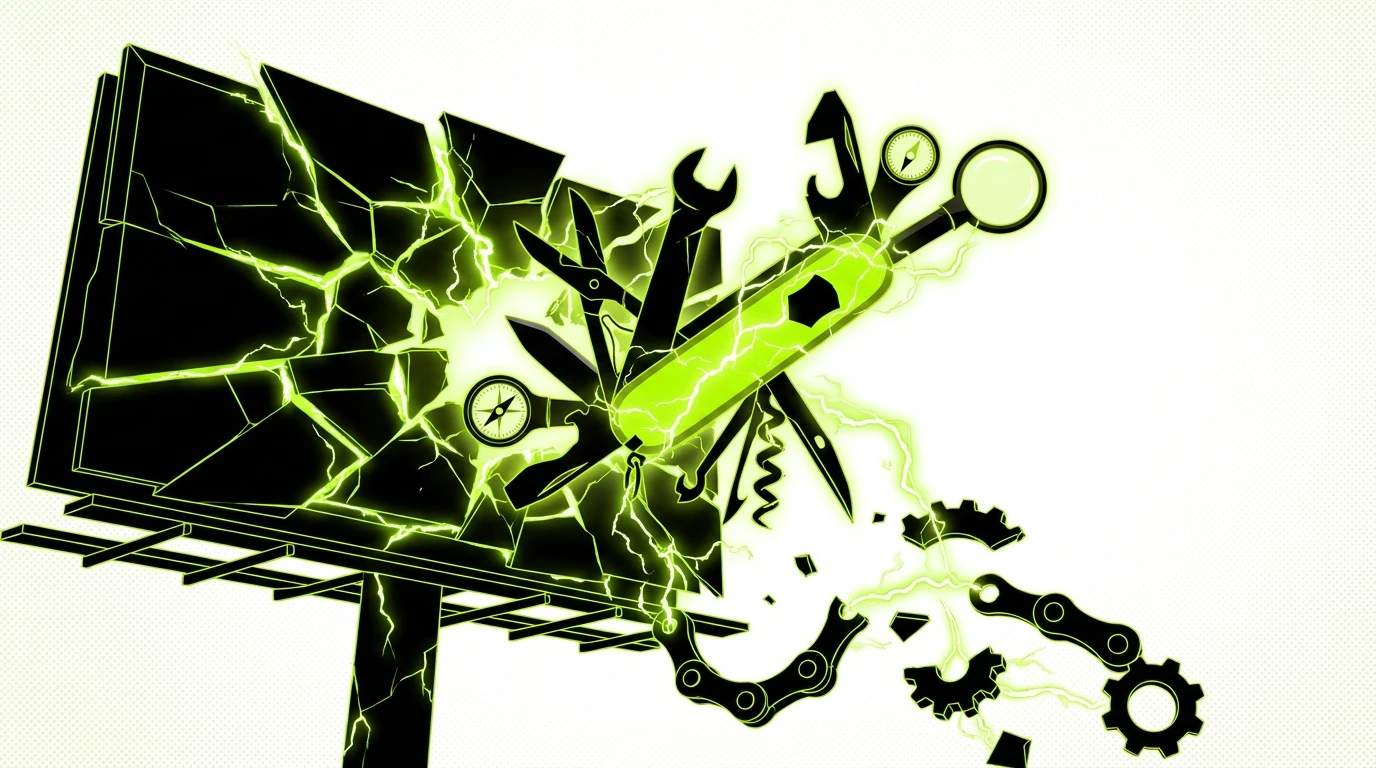
Creative Technique
Technology
The campaign leveraged geo-fencing and a dynamic database to instantly make banned books available digitally within censoring libraries. This innovative use of technology directly countered physical book bans.
Explore Technique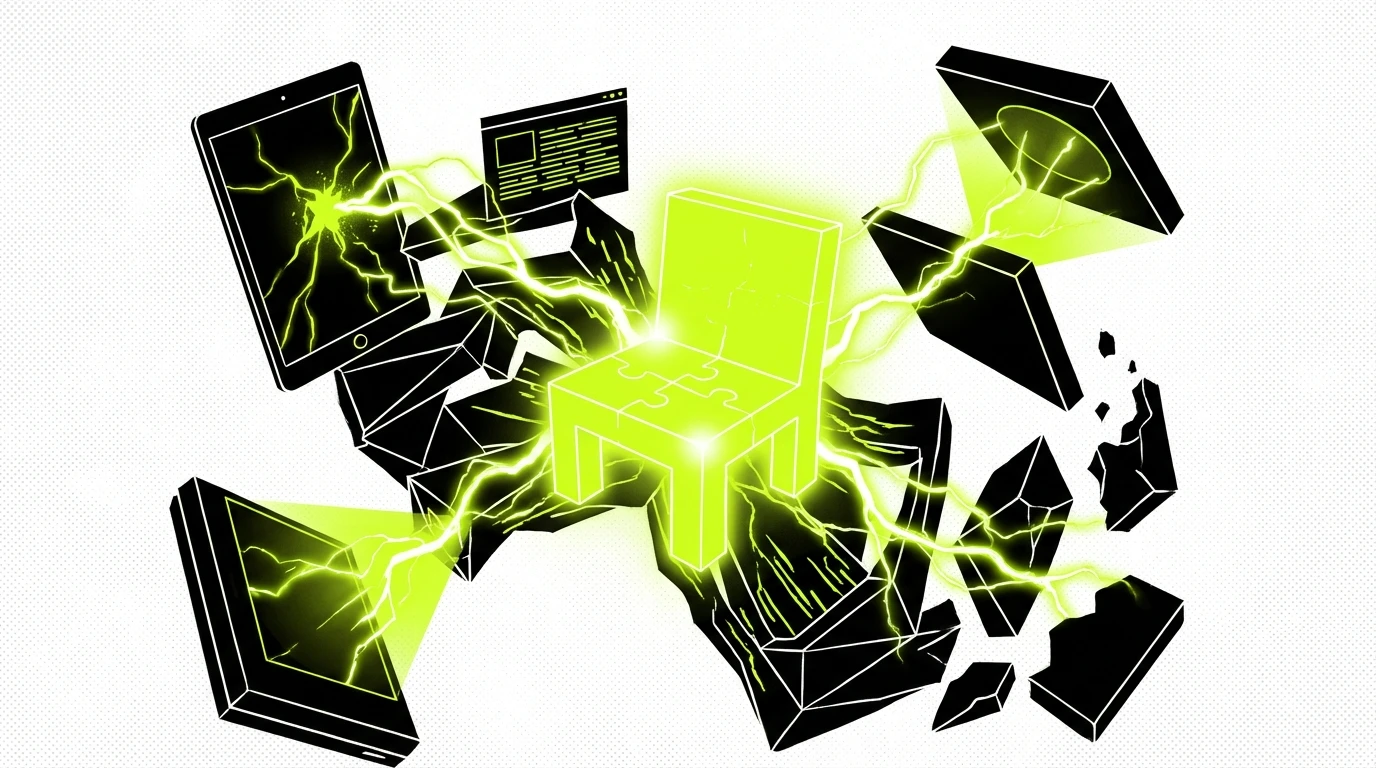
Craft Breakdown
This campaign's brilliance stems from an exceptional core idea, expertly implemented through digital craft to directly challenge censorship and visually communicated with powerful design and data storytelling.
The sophisticated application of geo-fencing technology and digital library access to create a functional platform that 'unbans' books precisely where they are restricted, making digital content available on demand, is a groundbreaking use of digital craft.
The campaign establishes a distinct, impactful visual identity for 'The Banned Book Club' through its mobile truck, digital interfaces, and social assets, which aligns with its urgent, activist message using a modern aesthetic.
“The campaign's magic comes from the seamless synergy between the brilliant idea, the innovative digital craft that brings it to life, and the compelling design and data visualization that effectively communicate its impact and urgency.”