Donate Life: The World's Biggest Asshole
Donate Life wanted a campaign to significantly increase organ donor registrations. The challenge was to overcome public apathy and demonstrate the profound, life-saving impact of donation to a broad audience. They needed a memorable approach that could redefine an individual's legacy through this act, proving anyone - regardless of their character - could become a hero.
Creative Idea
Donate Life featured the world's biggest asshole whose organ donation saved lives.
Donate Life created a provocative campaign that used the concept of calling a person "the world's biggest asshole" to highlight how organ donation can transform a negative personal trait into a life-saving act. By showcasing how an organ donor's legacy can redeem their past mistakes and literally save lives, the campaign aimed to encourage more people to become organ donors by revealing the profound impact of donation.
How One Unrepentant Jerk Saved Thousands of Lives
The 24 Month Battle for an Insult
It took two years for The Martin Agency to convince the Donate Life board to approve the script. The creative team, led by Wade Alger and Joe Alexander, faced significant resistance over the use of the word "asshole." To appease nervous stakeholders, the team briefly considered using softer terms like "Jabroni" or "Jerk," but ultimately argued that anything less than the original profanity would feel like "bullshit" to the cynical target audience. The strategy was rooted in a "strategy of contrast" - if even a man who steals candy from children and honks at the elderly can be a hero, anyone can.
A Masterclass in Dark Comedy Casting
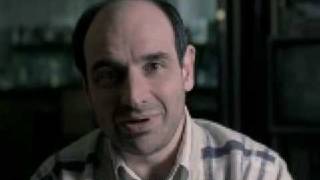
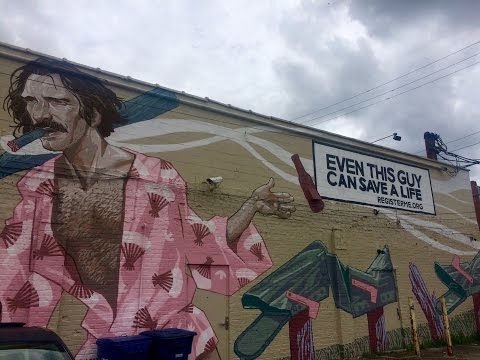 The production brought together top tier comedic talent to ensure the tone landed perfectly. Thomas Jane (*The Punisher*) portrayed the protagonist, Coleman F. Sweeney, while the dry, sardonic narration was provided by Will Arnett. Directors Speck + Gordon, known for *Blades of Glory*, leaned into the character's unlikability to make the final pivot more impactful. Even the music was a deliberate choice in irony, featuring a custom arrangement of Coldplay’s "Fix You" performed by Civil Brother to underscore the emotional shift.
Breaking the Millennial Apathy Barrier
The campaign successfully reached men aged 18 - 34, a demographic that historically ignores traditional, heartstring - tugging charity ads. Within the first week, the film garnered 50 million views, eventually driving a 698% increase in daily organ donor registrations. By the end of the first year, the campaign was credited with over 150,000 new donor registrations, proving that "brand bravery" and dark humor could achieve life - saving results where traditional PSAs had failed.
Creative Strategy Deconstructed
Company
Donate Life held the authority to facilitate life-saving legacies but struggled to engage cynical, non-donor demographics. They needed a provocative hook to move people from passive support to active digital registration.
Category
The category typically relies on somber, sentimental pleas or clinical facts that people often tune out. Most campaigns focus on the 'saintly' donor, making the act feel unattainable for the average person.
Customer
Many people feel they aren't 'good enough' to be heroes or simply find the topic too morbid to engage with. There is a latent human desire for redemption and the hope that one's life can matter.
Culture
The cultural shift toward embracing anti-heroes and dark humor allowed the brand to cut through 'charity fatigue.' Audiences were more receptive to raw, authentic storytelling than polished, traditional public service announcements.
Company
Donate Life held the authority to facilitate life-saving legacies but struggled to engage cynical, non-donor demographics. They needed a provocative hook to move people from passive support to active digital registration.
Category
The category typically relies on somber, sentimental pleas or clinical facts that people often tune out. Most campaigns focus on the 'saintly' donor, making the act feel unattainable for the average person.
Strategy:
Weaponize the anti-hero archetype to prove that even a life poorly lived can end in heroic redemption.
Customer
Many people feel they aren't 'good enough' to be heroes or simply find the topic too morbid to engage with. There is a latent human desire for redemption and the hope that one's life can matter.
Culture
The cultural shift toward embracing anti-heroes and dark humor allowed the brand to cut through 'charity fatigue.' Audiences were more receptive to raw, authentic storytelling than polished, traditional public service announcements.
Strategy:
Weaponize the anti-hero archetype to prove that even a life poorly lived can end in heroic redemption.
Strategy Technique
Exaggerate to Reveal the Truth
The campaign exaggerates the main character's negative traits to reveal the profound truth. It shows organ donation's impact transcends personal character, making anyone a hero.
Explore Technique
Creative Technique
Tell a story: Against social norms
The campaign tells a story that challenges the social norm that only "good" people leave heroic legacies. It uses a despicable character to prove anyone can be a hero through organ donation.
Explore Technique
Craft Breakdown
This campaign's craft is exceptional due to its masterful copywriting and acting, which together create a deeply memorable and emotionally impactful narrative that challenges perceptions about heroism. The editing and cinematography expertly guide the viewer through a complex emotional journey.
The voiceover script is a brilliant piece of writing, perfectly balancing a cynical, humorous, and ultimately profound narrative arc that redefines what it means to be a hero.
Patrick Fabian's portrayal of Coleman Sweeney is outstanding, making the character convincingly detestable yet surprisingly human, which is crucial for the ad's emotional punch.
The editing expertly manages the complex tonal shifts, from rapid-fire examples of Coleman's bad behavior to the poignant montage of lives saved, maintaining a cohesive and engaging flow.
The visual storytelling uses distinct color palettes and lighting to differentiate Coleman's dreary life from the vibrant, hopeful lives of his recipients, effectively reinforcing the emotional narrative.
“The campaign's magic truly comes from the seamless synergy between the brilliant copywriting that defines Coleman's character and the exceptional acting that brings him to life, amplified by the precise editing and cinematography which enhance the emotional journey.”