NSPCC: Cartoon
The NSPCC needed to urgently raise public awareness about the devastating reality of child abuse and encourage reporting. The goal was to shock a potentially desensitized general public into understanding that child abuse has irreversible consequences, prompting them to take action.
Creative Idea
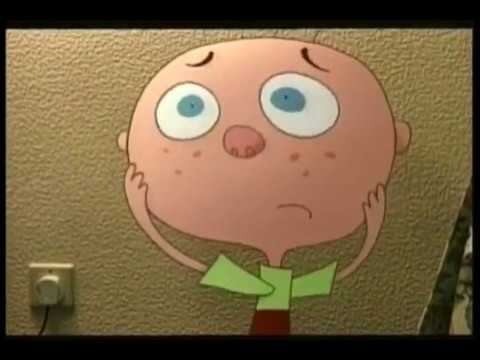
Cartoon violence against a child abruptly became real, motionless child abuse.
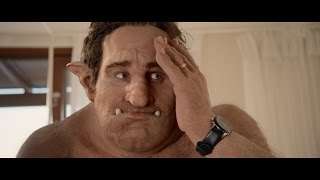
The campaign used exaggerated cartoon violence against a child character, abruptly shifting to a motionless, real child to shock viewers into confronting the harsh reality that real children don't bounce back from abuse, urging them to act.
The Cartoon Child Who Broke The Watershed
Bypassing the Regulators with Roger Rabbit
To depict the visceral reality of child abuse without being banned by UK broadcasters, Saatchi & Saatchi employed a "Trojan Horse" strategy. By utilizing a "Roger Rabbit" style blend of live-action and animation, the team bypassed strict regulations that prohibited showing real children in harm's way. The creative team, led by David Droga, used slapstick tropes - such as being burned with a cigarette or thrown down stairs - to mirror the "bouncing back" physics of Saturday morning cartoons. This artifice was heightened by a canned laughter track and a score by Jonathan Goldstein, creating a sickening juxtaposition that only broke when the animation vanished, leaving a real, motionless child on the floor.
A Career Defining Performance by Johnny Harris
 The ad’s terrifying realism is largely attributed to the performance of Johnny Harris, who played the abusive father years before becoming a staple of British cinema in *This is England '86*. His portrayal was so intense that the BBFC slapped the cinema version with an 18 certificate, while television airings were strictly confined to the 9 PM watershed. Despite 127 complaints to the ITC, regulators ruled the shock tactics were justified.
Raising a Quarter Billion Pounds
The impact of the "Full Stop" campaign was unprecedented. Within two weeks, it reached 95% of UK adults, leading to a 300% surge in calls to the NSPCC Helpline. Beyond immediate awareness, the campaign secured over 600,000 pledges and ultimately raised more than £250 million by 2009. It remains a landmark case study in advertising textbooks for using creative technology to solve a seemingly impossible regulatory hurdle.
Creative Strategy Deconstructed
Company
NSPCC, as a leading child protection charity, had the authority and mission to deliver a hard-hitting message about child abuse.
Category
Child abuse awareness campaigns often relied on direct emotional appeals or statistics, sometimes leading to viewer desensitization.
Customer
The audience might be desensitized to violence or struggle to acknowledge the severity of child abuse, needing a stark, undeniable confrontation with reality.
Culture
A culture where cartoon violence is normalized and often seen as harmless provided a powerful backdrop for the campaign's shocking twist.
Company
NSPCC, as a leading child protection charity, had the authority and mission to deliver a hard-hitting message about child abuse.
Category
Child abuse awareness campaigns often relied on direct emotional appeals or statistics, sometimes leading to viewer desensitization.
Strategy:
Disrupt desensitization by contrasting perceived harmlessness with brutal reality to provoke action.
Customer
The audience might be desensitized to violence or struggle to acknowledge the severity of child abuse, needing a stark, undeniable confrontation with reality.
Culture
A culture where cartoon violence is normalized and often seen as harmless provided a powerful backdrop for the campaign's shocking twist.
Strategy:
Disrupt desensitization by contrasting perceived harmlessness with brutal reality to provoke action.
Strategy Technique
Create Contrast
By creating a dramatic contrast between the cartoon's comedic violence and the real child's motionless body, the campaign powerfully highlighted the severe, non-reversable impact of child abuse.
Explore Technique
Creative Technique
Reverse Expectations
The campaign built an expectation of comedic, exaggerated cartoon violence. It then abruptly reversed this by replacing the cartoon child with a motionless, real child, creating a powerful shock.
Explore Technique
Craft Breakdown
This campaign's craft is exceptional in its use of visual effects and sound design to create a jarring, impactful juxtaposition that powerfully communicates its message.
The seamless transition from cartoon animation to live-action at the climax is incredibly effective, creating a profound emotional shock and driving home the campaign's core message.
The abrupt cessation of the frenetic jazz music and cartoon sound effects, replaced by silence at the reveal of the real child, dramatically underscores the gravity and reality of child abuse.
The contrast between the vibrant, bouncy cartoon and the drab, realistic setting amplifies the shocking transition to reality.
The camera work effectively builds tension and captures the chaotic energy of the cartoon violence, then uses a static, wider shot for the final reveal to emphasize the stark reality.
“The campaign's power comes from the perfect synergy between visual effects (the cartoon-to-real transition) and sound design (the music cutting out), which together create an unforgettable emotional impact that magnifies the message of child abuse awareness.”