Sea Cleaners: Reverse Media Schedules
Sea Cleaners needed a sustainable way to fund their waterway cleanup operations in New Zealand. They tasked Dentsu Creative Aotearoa to move beyond traditional charity donations. The goal was to engage major corporations by proving that branded litter isn't just an environmental issue, but a measurable threat to their brand equity and bottom line.
Creative Idea
Reframed branded litter as negative outdoor advertising to sell cleanup services as media buys.
Sea Cleaners reframed branded litter as "negative outdoor advertising" by using media measurement tools to calculate the financial risk to brands, turning environmental cleanup into a quantifiable media buy that protects brand value and consumer willingness to pay.
Buying Back the Worlds Worst Outdoor Ads
The Price of Branded Trash
The campaign is anchored by a startling economic reality: consumers are willing to pay 2% less for a product after seeing its packaging as litter. This data, validated by Nielsen and the University of Manchester, transformed environmentalism into a cold business calculation. By analyzing 124 coastal destinations, researchers found that 17.2% of people could recall specific brands they saw as waste a full week later. This "negative brand recall" provided the leverage needed to convince major players like Heineken, Export, and Monteith’s to treat cleanup efforts as a strategic media investment rather than a charitable donation.
Mapping the Negative Impressions
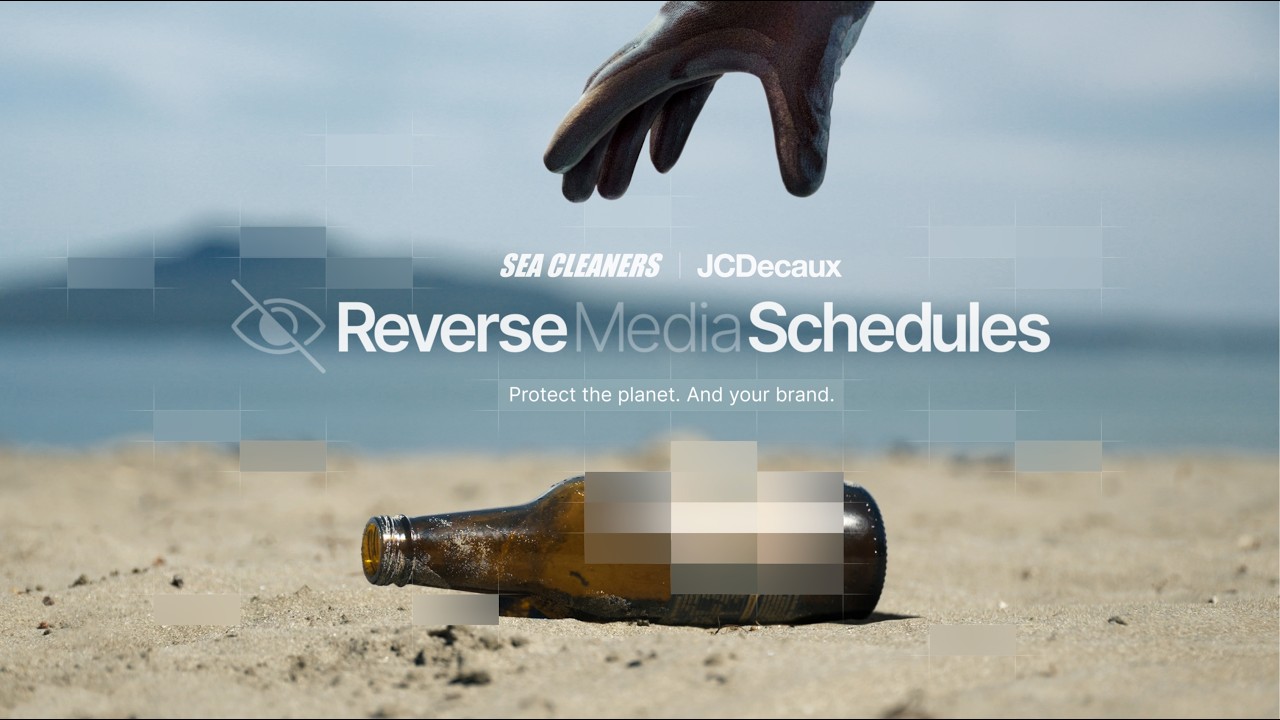 To make the "Reverse Media Schedule" a reality, Dentsu Creative Aotearoa and Carat utilized the same sophisticated modeling tools used for traditional Out-of-Home planning. They integrated litter density data with foot traffic patterns to create dashboards that track brand "hotspots." This allowed JCDecaux to offer brands the chance to "buy back" these unintended impressions. Kurt Malcolm of JCDecaux noted that the goal is to ensure clients are only seen in the right places, effectively "removing the worst outdoor ads" to protect brand equity.
Authenticity Over Celebrity
While the production involved global heavyweights like John Mescall and The Post Office, the creative team opted for a local fisherman as the face of the launch film. This choice grounded the high-tech data play in the real-world impact on New Zealand’s waterways, where Sea Cleaners has already removed over 21 million liters of rubbish. The framework is designed to be open-source, encouraging a global shift where environmental NGOs are funded through commercial media budgets.
Creative Strategy Deconstructed
Company
Sea Cleaners had decades of cleanup data and a strategic partnership with a major outdoor media owner.
Category
Environmental charities usually rely on guilt-based donations or CSR budgets that are easily cut during economic downturns.
Customer
Brands want to protect their premium image but ignore how their packaging devalues their brand when seen as trash.
Culture
Increasing pressure for corporate accountability and the rise of data-driven marketing metrics to justify every dollar spent.
Company
Sea Cleaners had decades of cleanup data and a strategic partnership with a major outdoor media owner.
Category
Environmental charities usually rely on guilt-based donations or CSR budgets that are easily cut during economic downturns.
Strategy:
Quantify the hidden commercial cost of negative brand presence to transform environmental cleanup into a strategic media investment.
Customer
Brands want to protect their premium image but ignore how their packaging devalues their brand when seen as trash.
Culture
Increasing pressure for corporate accountability and the rise of data-driven marketing metrics to justify every dollar spent.
Strategy:
Quantify the hidden commercial cost of negative brand presence to transform environmental cleanup into a strategic media investment.
Results
The campaign introduced a data-driven platform that quantifies the impact of litter removal. Key metrics mentioned include: 18,125 items removed, protecting over $209,247 in brand value. The platform reached an audience of 219,439 and calculated a return on donation of +541%. The initiative also noted that soft plastics make up 23% of the media mix of litter found, and 64% of all placements removed were in Auckland. The campaign effectively turned environmental cleanup into a measurable media strategy for brands.
$209,247
Brand value protected
+541%
Return on donation
18,125
Items of branded litter removed
Strategy Technique
Reframe the Problem
It shifts the conversation from corporate social responsibility to commercial brand protection. By quantifying the financial damage of "negative impressions," it transforms a moral obligation into a logical business investment.
Explore Technique
Creative Technique
Hijack the Medium
It redefines discarded trash as an unintended outdoor advertising medium. By applying traditional media metrics to litter, it forces brands to view environmental waste through the lens of advertising performance and ROI.
Explore Technique
Craft Breakdown
This campaign excels by reframing an environmental issue as a business problem, using data and media planning logic to create a sustainable funding model for a charity.
The campaign brilliantly applies traditional media metrics like impressions and brand value to the unconventional 'placement' of litter.
The digital dashboard effectively translates complex environmental and media data into clear, actionable insights for brands.
The script uses a clever 'worst outdoor advertising' hook to engage a business audience with an environmental cause.
The choice of a charismatic, authentic local figure as the spokesperson adds credibility and warmth to the message.
“The campaign's success lies in the synergy between media planning and data visualization, turning a charity's work into a measurable ROI for corporate partners.”