Intermarché: Inglorious Fruit & Vegetables
Intermarché needed to tackle significant food waste from consumers rejecting "ugly" fruits and vegetables. The client wanted to challenge public perceptions, proving these misshapen items were equally delicious and nutritious. The goal was to increase sales of imperfect produce at a discount, thereby reducing waste and educating shoppers about food's true appearance and value.
Creative Idea
Intermarché rebranded and sold ugly produce as discounted "Inglorious Fruit & Vegetables".
Intermarché launched a campaign to sell "ugly" fruits and vegetables at a discount, aiming to reduce food waste by challenging consumer perceptions of imperfect produce and proving that these misshapen items are just as delicious and nutritious as their perfect-looking counterparts.
The Supermodel Makeover for Rejected Produce
From Provins to Global Phenomenon
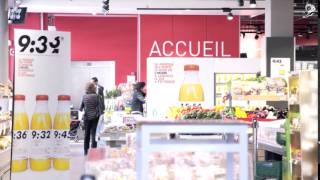
The campaign launched in March 2014 during the European Union’s Year Against Food Waste. While it eventually rolled out to 1,800+ stores, it began as a high - stakes two - day test in the town of Provins. The results were immediate: store traffic surged by 24%, and the "inglorious" produce sold out so quickly that the primary logistical challenge became sourcing enough "imperfect" supply from farmers accustomed to discarding it. To prove the quality was identical to "perfect" stock, Intermarché served Inglorious Soups and Inglorious Juices at in - store tasting stations.
High Fashion for Failed Lemons
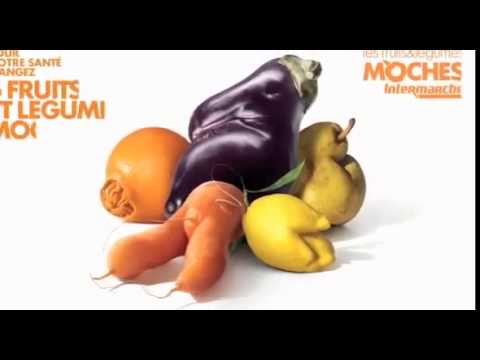 To avoid the "greenwashing" aesthetic, Creative Director Gaëtan du Peloux and the team at Marcel Worldwide opted for an honest, high - end approach. They hired renowned still - life photographer Patrice de Villiers, who shot the produce like "supermodels" to highlight their unique architecture. This personification extended to the point of purchase; the "pet names" like The Ridiculous Potato and The Hideous Orange were actually printed on store receipts to reinforce the branding at checkout.
A Catalyst for Wonky Veg
Beyond the 1.2 tons sold per store in the first 48 hours, the campaign sparked a global movement. It highlighted the absurdity of EU aesthetic regulations and directly influenced major retailers like Asda, Woolworths, and Whole Foods to launch similar initiatives. It also served as a cultural precursor to the "ugly produce" subscription model now popularized by startups like Misfits Market and Imperfect Foods.
Creative Strategy Deconstructed
Company
Intermarché possessed the supply chain scale and retail footprint to bypass standard cosmetic grading and bring rejected produce directly to the mass market. They leveraged their position as a major grocer to normalize "ugly" food through aggressive pricing and clever branding.
Category
The grocery industry enforces rigid aesthetic standards, discarding massive volumes of produce for minor blemishes or odd shapes. Competitors traditionally compete on visual perfection, reinforcing the myth that only flawless-looking food is high quality or safe to eat.
Customer
Consumers were increasingly frustrated by rising food costs and the guilt of environmental waste, yet they were subconsciously conditioned to distrust misshapen produce. They desired high-quality, affordable food but lacked an easy way to act on their sustainability values.
Culture
A growing global movement against food waste and a shift toward authenticity over industrial perfection made the timing ideal. Society was beginning to embrace the "natural" and "organic" movement, which values substance and flavor over artificial uniformity.
Company
Intermarché possessed the supply chain scale and retail footprint to bypass standard cosmetic grading and bring rejected produce directly to the mass market. They leveraged their position as a major grocer to normalize "ugly" food through aggressive pricing and clever branding.
Category
The grocery industry enforces rigid aesthetic standards, discarding massive volumes of produce for minor blemishes or odd shapes. Competitors traditionally compete on visual perfection, reinforcing the myth that only flawless-looking food is high quality or safe to eat.
Strategy:
Rebrand aesthetic flaws as natural authenticity to make sustainable consumption affordable and challenge wasteful industry standards of perfection.
Customer
Consumers were increasingly frustrated by rising food costs and the guilt of environmental waste, yet they were subconsciously conditioned to distrust misshapen produce. They desired high-quality, affordable food but lacked an easy way to act on their sustainability values.
Culture
A growing global movement against food waste and a shift toward authenticity over industrial perfection made the timing ideal. Society was beginning to embrace the "natural" and "organic" movement, which values substance and flavor over artificial uniformity.
Strategy:
Rebrand aesthetic flaws as natural authenticity to make sustainable consumption affordable and challenge wasteful industry standards of perfection.
Results
The campaign achieved an average sale of 1.2 tons per store during the first two days. It led to a +24% overall store traffic increase. After one month, the campaign had reached over 13 million people. It created a lot of conversation on social networks and had a big impact in the media. Journalists suggested that every supermarket in the country should adopt a similar initiative.
1.2 tons
average sale per store in first two days
+24%
overall store traffic increase
13 million+
people reached after one month
Strategy Technique
Turn Weakness Into Strength
The campaign transforms the perceived weakness of 'ugly' produce into a strength. It highlights their equal quality and lower price, making them a desirable, sustainable choice.
Explore Technique
Creative Technique
Fight prejudice
The campaign directly combats consumer prejudice against misshapen produce. It proves 'ugly' fruits and vegetables are equally delicious and nutritious, challenging ingrained perceptions.
Explore Technique
Craft Breakdown
The campaign's craft is exceptional due to its innovative concept development and bold, humorous approach to a serious issue, effectively reframing consumer perception and driving measurable impact. It skillfully integrates various disciplines to create a cohesive and highly memorable experience.
The core idea of rebranding aesthetically 'imperfect' produce as 'Inglorious' and selling it at a discount is a brilliant, simple, and highly effective solution to a complex problem of food waste.
The witty and self-aware names and taglines for each piece of produce (e.g., 'The Grotesque Apple', 'The Failed Lemon') transform potential flaws into endearing characteristics, making the produce relatable and desirable.
The clean, bright studio photography of the 'ugly' produce, combined with bold typography, elevates their status and visually communicates their inherent quality despite appearance.
The campaign's success stems from a holistic approach, integrating in-store experience (dedicated aisles, labeling), product innovation (soups/juices), pricing strategy, and widespread media engagement.
“The campaign's strength lies in the synergy between its compelling concept, humorous copywriting, and strong visual presentation, all working together to shift consumer behavior and create significant social impact.”