Red Cross: Hope
The International Committee of the Red Cross tasked Sra. Rushmore with creating a campaign to raise awareness of their vital humanitarian work in conflict zones. They aimed to remind a global audience that hope persists even in the darkest places, encouraging continued support for their mission.
Creative Idea
A perceived soldier was revealed as a Red Cross humanitarian worker, subverting expectations.
The Red Cross 'Hope' campaign cleverly subverted viewer expectations by initially portraying a figure in a conflict zone as a soldier, only to reveal him as a humanitarian worker, powerfully demonstrating that hope and aid can emerge from unexpected places even amidst war.
The Silent Masterclass in Medicide and Hope
The Power of Visual Silence
Directed by James Rouse, the film is celebrated as a masterclass in film craft for its ability to sustain extreme emotional tension without a single word of dialogue. By relying entirely on visual storytelling and a raw, handheld cinematography style, the production team ensured the message was universally understood across global markets without the need for dubbing. To achieve a visceral sense of realism, the crew from Blur Films and Outsider consulted directly with ICRC field workers to accurately recreate the specific aesthetics of destroyed medical facilities and the vehicles common to conflict regions.
Moving Beyond the Pity Trope
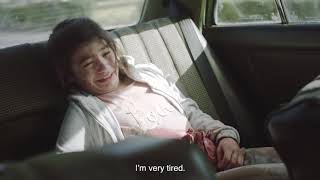 The creative team at Sra. Rushmore intentionally pivoted away from traditional NGO advertising tropes. Rather than focusing on "pity," they sought to evoke a sense of injustice regarding the illegal targeting of hospitals - a phenomenon described as medicide. This shift in narrative helped the campaign achieve massive digital reach, garnering over 6.2 million views on Facebook and nearly half a million views on Twitter. Across its primary social channels, the film generated more than 243,000 interactions, successfully turning a niche humanitarian issue into a global conversation about the protection of neutral medical zones.
A Haunting Sonic Identity
The film's emotional weight is anchored by an original, haunting soundtrack composed by Jon Clark and produced by Sian Rodgers at SIREN. According to director James Rouse, the goal was to illustrate that the destruction of a hospital represents the "death of hope" for an entire community. This focus on the systemic destruction of healthcare infrastructure served as a wake - up call for the international community regarding violations of the Geneva Conventions.
Creative Strategy Deconstructed
Company
The Red Cross credibly delivers humanitarian aid and hope, even in the most dangerous and war-torn regions, through dedicated workers.
Category
Aid organizations often depict suffering or direct intervention, but rarely use a narrative twist to challenge perceptions of who provides help.
Customer
Audiences feel overwhelmed by conflict news and want to believe that positive impact and hope are still possible amidst the chaos.
Culture
Ongoing global conflicts and a public often desensitized to war imagery made a fresh, hopeful perspective resonate deeply.
Company
The Red Cross credibly delivers humanitarian aid and hope, even in the most dangerous and war-torn regions, through dedicated workers.
Category
Aid organizations often depict suffering or direct intervention, but rarely use a narrative twist to challenge perceptions of who provides help.
Strategy:
Reframe the perception of aid in conflict zones by subverting expectations about who provides help.
Customer
Audiences feel overwhelmed by conflict news and want to believe that positive impact and hope are still possible amidst the chaos.
Culture
Ongoing global conflicts and a public often desensitized to war imagery made a fresh, hopeful perspective resonate deeply.
Strategy:
Reframe the perception of aid in conflict zones by subverting expectations about who provides help.
Strategy Technique
Reverse Expectations
By reversing the audience's initial perception of a figure in a war zone, the campaign challenged preconceived notions about who brings aid. This strategic twist powerfully underscored the Red Cross's unique role in providing hope amidst conflict.
Creative Technique
Reverse Expectations
The campaign built tension by presenting a familiar war scenario, then dramatically reversed the audience's initial assumption about the protagonist. This twist effectively highlighted the Red Cross's unexpected presence and impact in conflict zones.
Explore Technique
Craft Breakdown
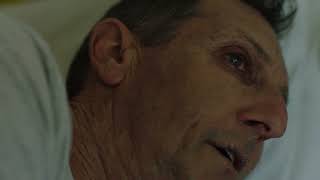
The campaign's craft is exceptional in its raw, visceral portrayal of the human cost of war, driven by powerful cinematography and deeply moving acting that creates an unforgettable emotional experience. It masterfully uses visual and auditory elements to immerse the viewer in a harrowing journey.
The masterful use of handheld shots creates an immersive, documentary-like feel, while close-ups on the characters' faces and wide shots of the desolate landscape effectively build intimacy, tension, and scale of destruction.
The raw and authentic performances of both the father and daughter convey profound pain, fear, desperation, and love without ever feeling forced or theatrical, making their plight deeply relatable and heart-wrenching.
The rhythmic cutting builds suspense during the urgent car ride and effectively emphasizes critical emotional beats, particularly the stark contrast between the father's fading hope and the grim reality of their destination.
The subtle yet impactful use of ambient sounds of war, the car's engine, the girl's cries, and the father's strained voice creates an immersive and authentic atmosphere, heightening the sense of realism and danger.
“The raw, handheld cinematography combined with the authentic performances and urgent sound design creates a deeply immersive and emotionally shattering experience, making the viewer feel like a direct witness to a real tragedy.”