Red Balloon - Celeb Grammar Cops
Red Balloon, an English school for kids in Brazil, tasked Ogilvy Brazil with demonstrating its teaching effectiveness and boosting enrollment. The client sought to prove that its 8-13 year-old students could achieve exceptional English proficiency, targeting parents concerned about quality education.
Creative Idea
Brazilian kids publicly corrected celebrity grammar on Twitter, proving Red Balloon's superior English teaching.
Red Balloon empowered Brazilian kids to become "Grammar Cops," publicly correcting native English-speaking celebrities' tweets, cleverly demonstrating the school's superior English education by flipping the script on perceived linguistic authority and engaging social media.
Teaching Harry Potter How to Write
Flipping the Script on Native Speakers
The campaign was born from a specific pedagogical frustration. Creative Director Fabio Seidl noted that students often used celebrity social media as a "defense model" for poor grammar, arguing that if Lady Gaga or Rihanna ignored rules, they could too. By turning students into "Grammar Cops," the agency flipped this logic, transforming Twitter into a real-time textbook. The production, led by Vetor Zero, captured real classroom "experiments" where students aged 8 to 13 hunted for errors on tablets.
Polite Corrections for Global Icons
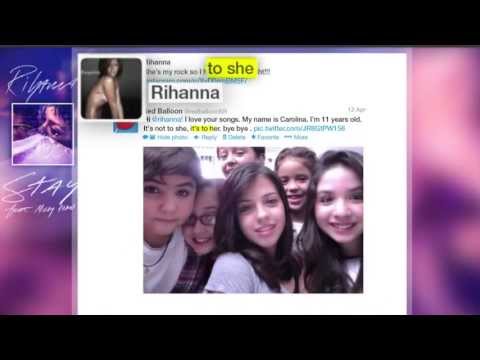 A strict "politeness policy" was enforced to ensure the campaign didn't come across as trolling. Students like 10-year-old Milena and Gabriel addressed their idols with affection - famously calling Daniel Radcliffe "Dear Harry Potter" - before correcting errors like Lady Gaga’s confusion of "crowd" and "crowed." Other targets included Sylvester Stallone, Justin Bieber, and Charlie Sheen. Despite the viral nature of the tweets, which reached millions via BuzzFeed and Business Insider, none of the celebrities ever replied to their young critics.
A Masterclass in Earned Media
The initiative successfully shifted Red Balloon’s brand positioning from a traditional school to a modern, digitally-connected powerhouse. By proving Brazilian children could outperform native icons in formal English, the campaign generated massive organic engagement for the @redballoonBR account. It remains a landmark example of gamified education, showing how brands can leverage real-time cultural data to prove product efficacy without a massive media buy. Key creative leadership included Anselmo Ramos and Guto Kono, who helped secure the school's reputation as a pioneer in social media education.
Creative Strategy Deconstructed
Company
Red Balloon possessed a proven English teaching methodology that enabled its young Brazilian students to achieve high grammatical accuracy.
Category
English language schools typically relied on traditional teaching methods and often made generic claims about student proficiency.
Customer
Parents desired effective English education for their children, ensuring confidence and accuracy, especially when celebrity idols set poor linguistic examples.
Culture
Social media, particularly Twitter, was a dominant platform for celebrity interaction, where relaxed grammar norms often went unchecked.
Company
Red Balloon possessed a proven English teaching methodology that enabled its young Brazilian students to achieve high grammatical accuracy.
Category
English language schools typically relied on traditional teaching methods and often made generic claims about student proficiency.
Strategy:
Empower the overlooked to challenge established authority, proving superior quality through unexpected public demonstration.
Customer
Parents desired effective English education for their children, ensuring confidence and accuracy, especially when celebrity idols set poor linguistic examples.
Culture
Social media, particularly Twitter, was a dominant platform for celebrity interaction, where relaxed grammar norms often went unchecked.
Strategy:
Empower the overlooked to challenge established authority, proving superior quality through unexpected public demonstration.
Results
Their work was recognized by the celebrities' fans. The video shows numerous tweets from fans applauding the Red Balloon students for correcting the celebrities' grammar. Examples of fan tweets include: "Be careful, Bieber. Red Balloon students are aware!", "Take care with your grammar, @DanielRadcliffe", "@SHAQ Shaq, sit on the bench and study a bit more :) ", "@aplusK and @charliesheen have in common: they're both bad spellers.", "Very well spotted!" (to a student who corrected Jamie Oliver), "Your English is better than native speakers! Congratulations!", "The English teachers are not as good as the Magic Teachers.", "Everybody does mistakes, even celebs like this :) ", "This is good for the English.", "That's it, Milena. Watch out Lady Gaga!", "Fé in humanity restored... in Brazil.", "A mistake booster!", "Shame on you, Charlie!" and "OMG! They teached him!".
Strategy Technique
Reverse Expectations
The campaign reversed the expectation that native English speakers always possess superior grammar. It positioned Brazilian students as authorities, effectively highlighting the school's quality and challenging assumptions.
Creative Technique
Conduct an Experiment
The campaign set up a clear experiment: could Brazilian kids outperform native English-speaking celebrities in grammar? This engaging test dramatically showcased Red Balloon's teaching effectiveness.
Explore Technique
Craft Breakdown
The campaign's exceptional craft lies in the skillful creation and strategic deployment of personalized, corrective tweets by children to celebrities, leveraging precise copywriting and authentic photography within the dynamic environment of social media.
The formulation of direct, polite, yet firm grammatical corrections, often with a personal and endearing touch, showcases a keen understanding of persuasive communication within a character-limited digital format.
The inclusion of genuine, unpolished student selfies alongside their tweets adds an authentic, personal, and relatable human element, significantly enhancing the impact and memorability of the corrections.
The campaign expertly utilized the native functions of the Twitter platform to create and disseminate the corrective messages, demonstrating a nuanced understanding of digital interaction and content formatting for maximum social engagement.
The innovative strategy of using Twitter as a direct channel for children to publicly engage high-profile celebrities transformed a simple educational message into a widespread, newsworthy social conversation.
“The campaign's magic truly came from the combination of authentic student voices, visual personality from the selfies, and the direct, public nature of the Twitter platform, creating a powerful and unexpected dialogue that resonated broadly.”