WeCapital: Data Tienda
Gahr WeCapital wanted to support female entrepreneurs in Mexico, but faced a massive hurdle: 83% of women lacked the formal credit history required for loans. DDB Mexico was tasked with finding a way to bridge this financial gap, reach unbanked women in low-income areas, and establish WeCapital as a brand that empowers women through financial inclusion and accessible credit.
Creative Idea
Converted informal neighborhood shopkeeper trust into official credit scores using a WhatsApp bot.
WeCapital created a digital platform that converted informal "economy of trust" records from neighborhood shopkeepers into official credit scores via WhatsApp, allowing thousands of unbanked Mexican women to finally access formal financial loans and grow their businesses.
Digitizing the Informal Economy of Trust
From Advertising to Brand Utility
The project marked a shift from traditional storytelling to Brand Utility. While Gahr WeCapital initially sought a standard campaign, DDB Mexico identified that the true barrier wasn't a lack of desire for credit, but a lack of data. CEO Juan Isaza noted that the agency chose to build a concrete solution rather than just a message. This required immense stamina from the team to navigate the technical and legal hurdles of turning qualitative neighborhood "fio" - informal credit - into bankable scores.
The WhatsApp Bot Architecture
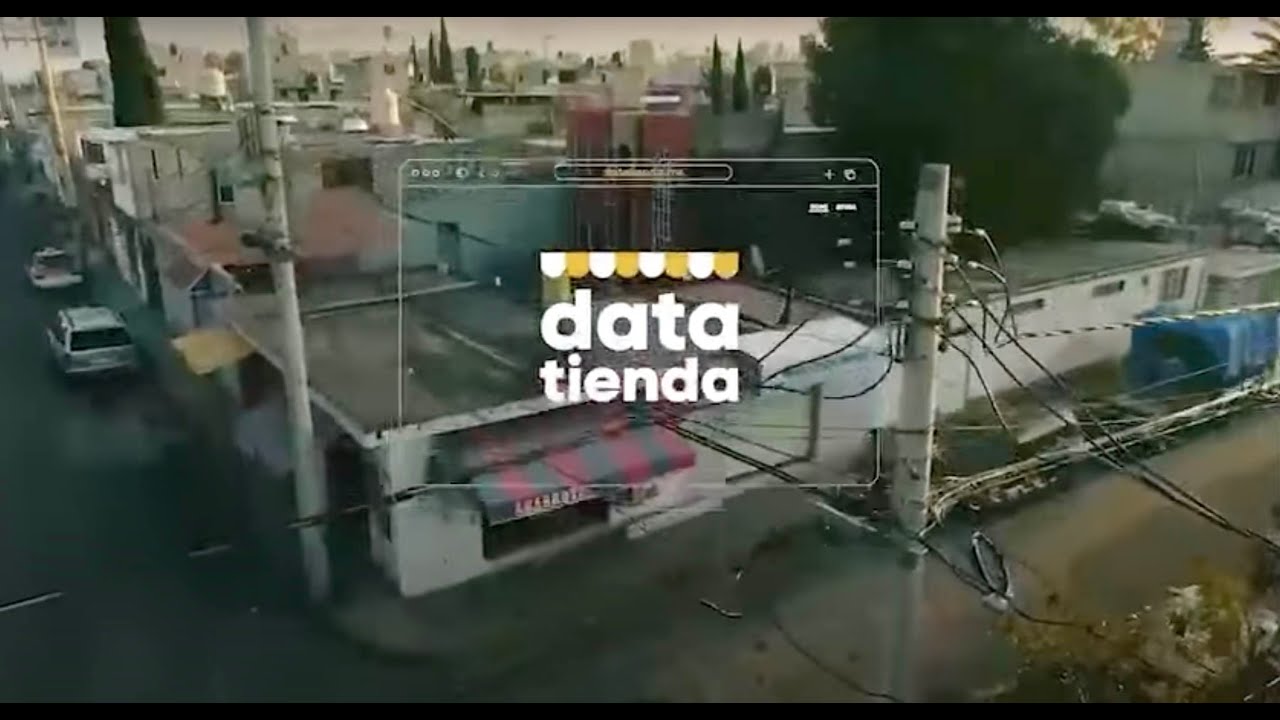 The production relied on a sophisticated WhatsApp bot integration to reach women in low - income areas where data access is limited but messaging is ubiquitous. By entering the contact details of five local shopkeepers, the system automatically gathered payment history data. This process digitized the records of over 50,000 local shopkeepers across Mexico, effectively mapping an invisible financial ecosystem. The tech was so successful it expanded beyond Mexico City to Puebla, Guadalajara, Morelia, and Monterrey.
Authenticity Without Celebrities
To maintain trust within tight - knit communities, the production team at Ladoble México avoided professional actors or celebrities. They featured real women and neighborhood "mom - and - pop" store owners. This grassroots approach helped register over 10,300 women, with 2,300 successfully securing microloans for education or business. The campaign's legacy continued with "The E-commerce of Trust," a follow - up initiative allowing unbanked families to purchase groceries online using their newly established credit scores. Adweek eventually recognized the project as one of the five best ideas in the world for 2022.
Creative Strategy Deconstructed
Company
A financial firm with the capital and desire to support female entrepreneurs but lacking a way to verify their creditworthiness.
Category
Banks typically ignore the unbanked, requiring formal documentation that millions of low-income women simply do not have access to.
Customer
Women who are reliable payers at local stores but remain invisible to the financial system, preventing them from growing businesses.
Culture
The deeply rooted Mexican tradition of "fio" - informal credit based on neighborhood trust rather than bank statements.
Company
A financial firm with the capital and desire to support female entrepreneurs but lacking a way to verify their creditworthiness.
Category
Banks typically ignore the unbanked, requiring formal documentation that millions of low-income women simply do not have access to.
Strategy:
Digitize informal social trust to bypass systemic institutional barriers and validate creditworthiness for the underserved.
Customer
Women who are reliable payers at local stores but remain invisible to the financial system, preventing them from growing businesses.
Culture
The deeply rooted Mexican tradition of "fio" - informal credit based on neighborhood trust rather than bank statements.
Strategy:
Digitize informal social trust to bypass systemic institutional barriers and validate creditworthiness for the underserved.
Strategy Technique
Build an Utility, Not an Ad
The campaign solved a structural barrier by creating a data-gathering service. By providing a tangible tool for credit scoring, the brand became a facilitator of financial independence rather than just a lender.
Explore Technique
Creative Technique
Unexpected Utility
Instead of a traditional ad, the agency built a functional financial tool. It transformed the informal "fio" system into a digital asset, providing a practical solution to systemic financial exclusion.
Explore Technique