Sol de Janeiro: Tattoo Skin Cancer Check
Sol de Janeiro sought to elevate its commitment to skin health beyond products, aiming to increase early skin cancer detection. The brand needed an innovative way to reach the public, particularly those with tattoos, and reinforce its dedication to overall well-being.
Creative Idea
Tattoo artists were trained to perform skin cancer checks, turning art appointments into health screenings.
Sol de Janeiro empowered tattoo artists, who have intimate access to clients' skin, by training them to identify early signs of skin cancer, transforming a beauty routine into a vital public health check and creating an unexpected network for early detection.
Turning The Ultimate Canvas Into A Lifeline
The ABCD Of Skin Art
To ensure the initiative was medically rigorous, Ogilvy Brazil partnered with Dr. João Duprat Neto and the A.C. Camargo Cancer Center. The curriculum focused on the ABCD rule - Asymmetry, Border irregularity, Color, and Diameter (greater than 6mm). By teaching artists to spot these specific markers, the brand moved beyond awareness into actual diagnostic support. Paco Conde, then ECD at Ogilvy, noted that while critics initially thought the idea of merging dermatologists with tattoo culture was "crazy," the necessity of the project overcame the perceived impossibility.
Reaching The Untouchable Demographic
 The campaign addressed a critical gap in Brazilian healthcare: a 74% increase in skin cancer among youth who traditionally avoid clinical environments. By leveraging the intimate, high - trust relationship between an artist and their client, Sol de Janeiro turned tattoo parlors into a front - line health network. With over 450 certified artists seeing an average of six clients daily, the program generated nearly 20,000 skin checks per week. This "unexpected utility" transformed the brand from a sunscreen manufacturer into a provider of health infrastructure.
A Diploma For The Studio
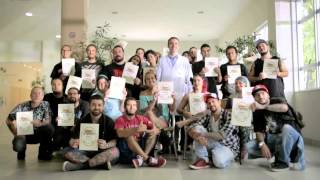
Artists who completed the training via tatuadorconsciente.com.br received a physical diploma. This acted as a "seal of trust," framing skin health as a way to preserve the "canvas" for the art to last a lifetime. The production, captured by Conspiração Filmes, documented a shift in healthcare advertising from scare tactics to empowerment. The model proved so successful it has since been emulated globally by organizations training hair stylists to check for scalp lesions.
Creative Strategy Deconstructed
Company
Sol de Janeiro, a brand synonymous with skin care and body confidence, possessed the credibility to champion skin health awareness.
Category
Beauty and personal care brands typically promote aesthetic improvements, often overlooking deeper health implications related to skin.
Customer
Individuals with tattoos often have unique skin concerns and may not regularly monitor their skin for health issues, creating a detection gap.
Culture
The growing popularity of tattoos and the trusted relationship between artists and clients provided a unique, intimate touchpoint for health intervention.
Company
Sol de Janeiro, a brand synonymous with skin care and body confidence, possessed the credibility to champion skin health awareness.
Category
Beauty and personal care brands typically promote aesthetic improvements, often overlooking deeper health implications related to skin.
Strategy:
Leverage trusted, intimate touchpoints to integrate vital health screening into routine personal care.
Customer
Individuals with tattoos often have unique skin concerns and may not regularly monitor their skin for health issues, creating a detection gap.
Culture
The growing popularity of tattoos and the trusted relationship between artists and clients provided a unique, intimate touchpoint for health intervention.
Strategy:
Leverage trusted, intimate touchpoints to integrate vital health screening into routine personal care.
Results
Skin cancer is the most common form of cancer, more prevalent than breast and prostate cancer combined. Young people often think skin cancer diagnoses are for the elderly and are less likely to go to a dermatologist. Sol de Janeiro, a youth sunscreen brand, found a new way to prevent skin cancer by training tattoo artists. Tattoo artists from all over Brazil were trained by doctors to look for signs of skin cancer. Over 200 certified tattoo artists from all over Brazil took the online course. At least 450 tattoo artists participated, averaging 6 clients a day, which equates to 19,800 skin cancer checks every week. In just two weeks, tattoo artists across Brazil were identifying early signs of skin cancer. A client, Hanna Martins, shared that her tattoo artist, Bruno Menezes, alerted her to an irregular mole which was later discovered to be a mole that could turn into skin cancer.
450
tattoo artists trained
19,800
skin cancer checks every week
2 weeks
time to identify early signs
Strategy Technique
Build an Utility, Not an Ad
Instead of traditional advertising, Sol de Janeiro created a practical training program and diploma for tattoo artists. This utility directly addressed a public health need, making the brand a proactive solution provider.
Explore Technique
Creative Technique
Unexpected Utility
The campaign transformed tattoo artists into skin cancer screeners, leveraging their unique access to skin for an unexpected public health utility. This innovative approach created a new, accessible detection network.
Explore Technique
Craft Breakdown
This campaign's craft is exceptional due to its innovative strategic design, effectively transforming an unexpected community (tattoo artists) into proactive health advocates. It brilliantly leveraged an existing cultural touchpoint to address a significant public health issue.
The core concept of training tattoo artists to detect skin cancer is a highly innovative and strategically brilliant design, connecting a health issue to a relevant cultural practice in Brazil.
The narrative effectively transitions from an idyllic setting to a serious health concern, then to an empowering solution, using real testimonials to highlight the campaign's impact and authenticity.
The cinematography is adept at capturing both the vibrant, aspirational outdoor scenes and the intimate, focused moments of training and client interactions, creating a visually compelling and emotionally resonant experience.
The execution of the online training course allowed for widespread education, demonstrating effective use of digital platforms to scale a public health initiative across a large geographic area.
“The magic of this campaign comes from the potent synergy between leveraging an unexpected community (tattoo artists) and providing accessible, medically-sound training, which significantly amplified its reach and impact on public health by embedding detection into everyday interactions.”