Polycam: Backup Ukraine
UNESCO and Polycam sought to protect Ukrainian cultural heritage from destruction during the 2022 invasion. They needed a way to document monuments and buildings at scale when professional archivists couldn't access the country. The goal was to engage the Ukrainian public in a collective effort to preserve their national identity digitally, ensuring that even if physical sites were lost, their blueprints would survive.
Creative Idea
Turned smartphones into 3D scanners to crowdsource a digital backup of a nation's heritage.
In response to the Russian invasion, Polycam and UNESCO empowered Ukrainian citizens to use 3D scanning technology to digitally archive national monuments, ensuring their cultural identity could be reconstructed even if physically destroyed, turning smartphones into tools of resistance.
Turning Every Smartphone Into A Digital Shield
The Architecture of Resistance
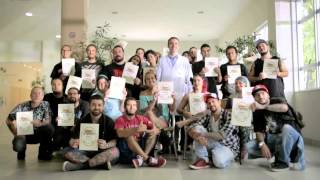
The project repurposed Polycam’s LiDAR and photogrammetry technology - usually reserved for Hollywood movie studios and game developers - into a free, accessible tool for the Ukrainian public. To ensure civilian safety, the team established a Volunteer Corps of 135 specialized archivists, including lead architect Max Kamynin. This coordination prevented citizens from being mistaken for spies while scanning high-risk sites. The resulting high-definition 3D blueprints are precise enough to facilitate full-scale physical reconstruction via 3D printing or traditional masonry if the original structures are lost.
Outpacing the Worlds Museums
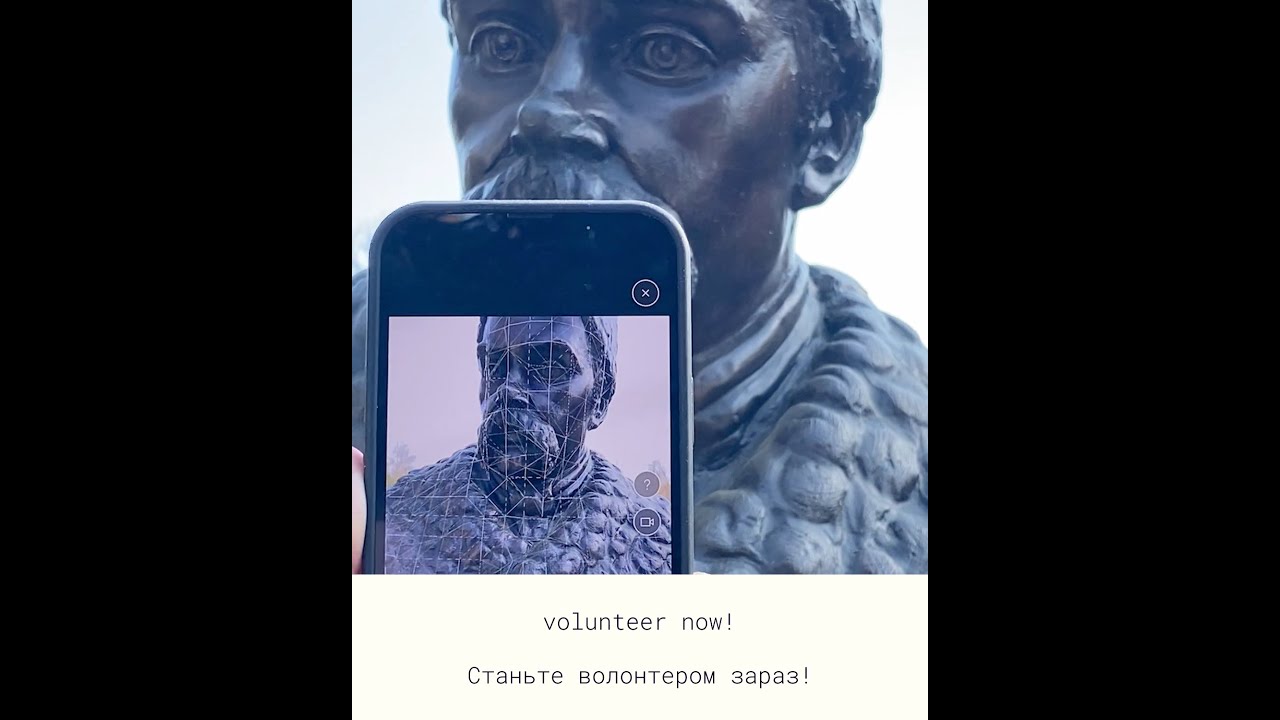 The scale of the "backup" was unprecedented. Within months, Ukrainian citizens uploaded more than 35,000 3D scans, documenting sculptures and landmarks at a pace that far exceeded the acquisition rates of major global art collections. The initiative saw a 44% weekly growth in heritage scanned during its peak, resulting in over 50,000 downloads of the app. Beyond the digital archive, the project secured 800+ news articles and prompted 7 international firms to donate equipment and funding to the cause.
A New Era of Brand Utility
Creative Director Tao Legene Thomsen noted that the campaign was built on the belief that cultural heritage is "about the nation’s right to exist." This shift from traditional storytelling to utility-based advertising had a profound industry impact. It demonstrated how a brand could provide a functional solution to a geopolitical crisis. The success was so significant that UNESCO’s National Commissioner used public broadcasts to urge neighboring countries to begin scanning their own heritage as a preventative measure against future conflict.
Creative Strategy Deconstructed
Company
Polycam possessed high-fidelity LiDAR and photogrammetry technology capable of creating precise 3D blueprints from simple smartphone captures.
Category
Traditional heritage preservation relies on slow, expensive professional teams, which are impossible to deploy safely during an active military invasion.
Customer
Ukrainians felt a desperate need to protect their identity and history but lacked the means to fight back against cultural erasure.
Culture
The invasion created a global urgency to support Ukraine, while the ubiquity of smartphones enabled a decentralized, civilian-led archival movement.
Company
Polycam possessed high-fidelity LiDAR and photogrammetry technology capable of creating precise 3D blueprints from simple smartphone captures.
Category
Traditional heritage preservation relies on slow, expensive professional teams, which are impossible to deploy safely during an active military invasion.
Strategy:
Democratize specialized technology to transform passive observers into active guardians of their own threatened cultural legacy.
Customer
Ukrainians felt a desperate need to protect their identity and history but lacked the means to fight back against cultural erasure.
Culture
The invasion created a global urgency to support Ukraine, while the ubiquity of smartphones enabled a decentralized, civilian-led archival movement.
Strategy:
Democratize specialized technology to transform passive observers into active guardians of their own threatened cultural legacy.
Results
The initiative generated over 35,000 3D scans of cultural landmarks, achieving a 44% weekly growth rate during peak activity. The app saw more than 50,000 downloads, and the campaign secured 800+ news articles. Additionally, 7 international firms donated equipment and funding, while a volunteer corps of 135 specialized archivists was established to lead the effort.
35,000+
3D Scans Uploaded
44%
Weekly Growth Rate
50,000+
App Downloads
Strategy Technique
Build an Utility, Not an Ad
Instead of a traditional awareness campaign, the brand created a functional digital infrastructure that allowed people to actively participate in protecting their own history through direct action.
Explore Technique
Creative Technique
Unexpected Utility
It repurposed professional 3D scanning technology as a vital tool for civilian resistance, giving a niche creative app a profound and urgent real-world utility during a national crisis.
Explore Technique
Craft Breakdown
The campaign successfully transitioned high-end LiDAR technology into a democratic tool for cultural preservation, blending technical utility with urgent humanitarian purpose.
Repurposing professional-grade photogrammetry into a mobile-first civilian tool turned complex tech into a functional 'digital shield'.
The formation of a specialized Volunteer Corps ensured the safety of participants and the architectural accuracy of the data collected.
The UX transformed a passive audience into active archivists, creating a seamless pipeline from smartphone capture to high-definition 3D blueprint.
By framing technology as a tool of resistance, the campaign earned massive global coverage and prompted international policy discussions.
“The project's power lies in the intersection of brand utility and geopolitical urgency, proving that technology is most effective when it serves a fundamental human right.”