Ministry of Communications: My Line
The Colombian Ministry of Communications tasked MullenLowe SSP3 with finding a way to provide internet access to the 47% of the population living in remote areas without smartphones or data. The goal was to democratize information and bridge the digital divide using existing resources to reach citizens who were effectively cut off from the global digital economy.
Creative Idea
Transformed a traditional landline into a voice-activated Google search engine for the offline population.
To bridge the digital divide for millions without internet, the Ministry transformed a traditional landline into a voice-activated search engine, allowing anyone with a basic phone to access Google Assistant's information through a simple local call.
Google For People Without The Internet
High Tech Meets Low Tech
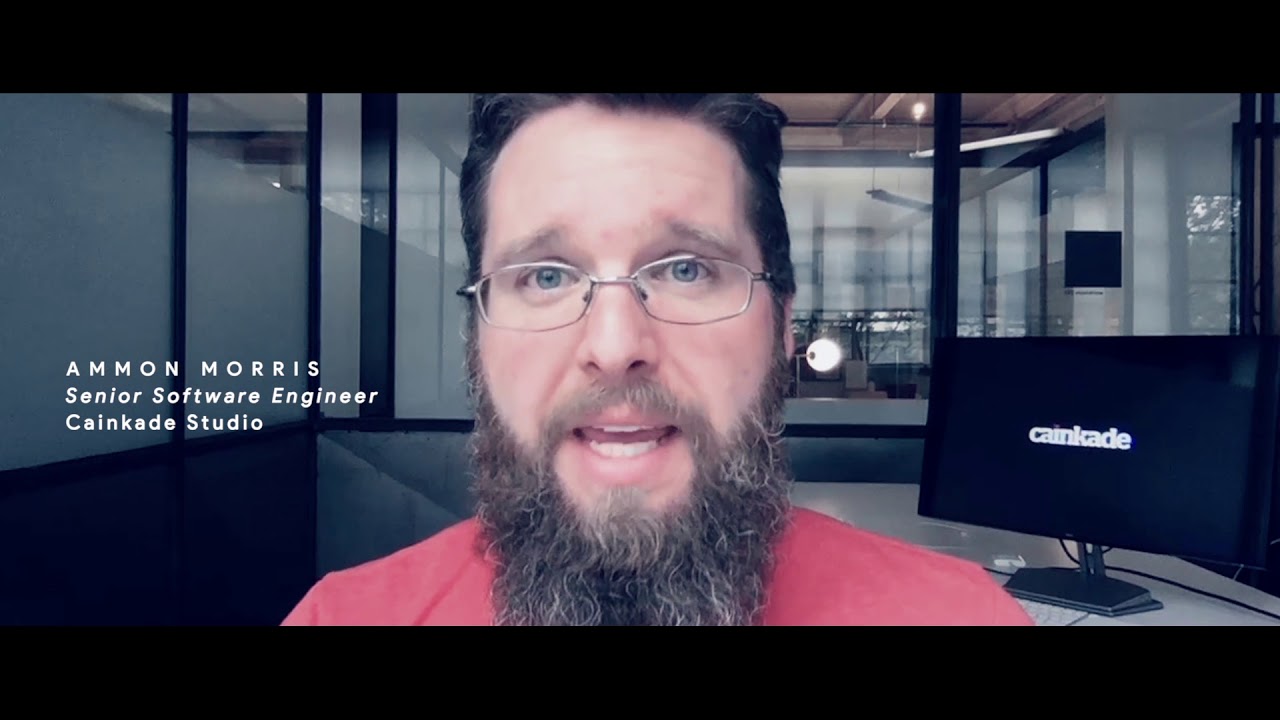
To bridge the digital divide, MullenLowe SSP3 partnered with New York tech firm Cainkade to build a complex bridge between traditional telephony and Google’s cloud systems. The system utilized Google Assistant technology to capture voice requests via a standard landline - number 6000913 - and process them through the Google Cloud. The information was then read back to the caller in real-time using text-to-speech. This "frugal innovation" required no data, no Wi-Fi, and no expensive hardware, making it accessible to the 47% of Colombians who lacked smartphones in 2018.
Scaling Digital Democracy
The impact was immediate, reaching 99.3% of the Colombian population, the highest reach for any information service in the country’s history. During the beta phase alone, users made over 35,000 calls. Beyond serving rural citizens, the line became a vital humanitarian tool for Venezuelan refugees entering Colombia. These individuals often lacked local SIM cards or data plans but could use "My Line" to find locations of shelters and legal rights information.
A Masterclass in Simplicity
The campaign’s elegance caught the attention of industry titans. Tor Myhren, VP of Marketing Communications at Apple and Cannes Innovation Jury President, noted that the best innovations are those so simple they seem obvious in hindsight. Led by Chief Creative Officer Carlos Rodríguez and Art Director Sazky, the project was eventually integrated into the Ministry’s permanent national communications strategy, ensuring that geographic location no longer dictated a citizen's access to the world's information.
Creative Strategy Deconstructed
Company
The government's mandate to provide digital inclusion and its existing national telephony infrastructure.
Category
Government programs often focus on expensive infrastructure projects that take years to reach remote, rural populations.
Customer
Isolated citizens felt excluded from the modern world because they lacked the smartphones and data required for information.
Culture
The rise of voice-activated AI provided a way to bypass screens and literacy barriers using familiar hardware.
Company
The government's mandate to provide digital inclusion and its existing national telephony infrastructure.
Category
Government programs often focus on expensive infrastructure projects that take years to reach remote, rural populations.
Strategy:
Repurpose legacy infrastructure to deliver modern digital services to populations excluded by the hardware divide.
Customer
Isolated citizens felt excluded from the modern world because they lacked the smartphones and data required for information.
Culture
The rise of voice-activated AI provided a way to bypass screens and literacy barriers using familiar hardware.
Strategy:
Repurpose legacy infrastructure to deliver modern digital services to populations excluded by the hardware divide.
Results
The 'My Line' campaign achieved a historic reach of 99.3% of the Colombian population, the highest in the country's history. During its beta launch phase, the service recorded over 35,000 calls. It successfully bridged the digital divide for the 47% of Colombians who did not own a smartphone in 2018. The initiative was so effective that it was integrated into the Ministry's permanent national communications strategy. Beyond its original scope, it became a vital humanitarian tool for Venezuelan refugees to access shelter and legal information without local SIM cards or data. The campaign earned massive industry acclaim, including the Grand Prix in Innovation at Cannes Lions, Best of Discipline at The One Show, and 2 Grand Prix at the London International Awards.
99.3%
National population reach
35,000+
Calls during beta launch
47%
Smartphone-less population served
Strategy Technique
Build an Utility, Not an Ad
Instead of just talking about digital inclusion, the brand built a functional tool that provided immediate, life-changing access to information for the country's most isolated citizens.
Explore Technique
Creative Technique
Technology
The campaign repurposed cutting-edge AI and cloud computing through the most basic, accessible technology available - the landline - to solve a massive infrastructure gap.
Explore Technique
Craft Breakdown
This campaign is a masterclass in 'frugal innovation,' using high-end AI and cloud computing to breathe new life into obsolete analog infrastructure.
The complex integration between traditional telephony and Google Assistant's cloud systems allowed for real-time voice-to-data processing.
The project reimagined the utility of a landline, creating a seamless user journey for those excluded from the digital economy.
The execution required sophisticated text-to-speech and voice recognition capabilities to function over low-fidelity audio channels.
The campaign successfully positioned a government utility as a global symbol of digital democracy and humanitarian aid.
“The magic lies in the juxtaposition of 'High Tech' (Google AI) and 'Low Tech' (landlines), proving that innovation is most powerful when it is inclusive.”